 Kristina Vankova
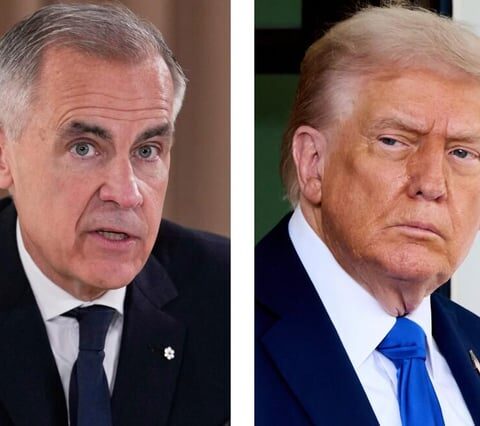
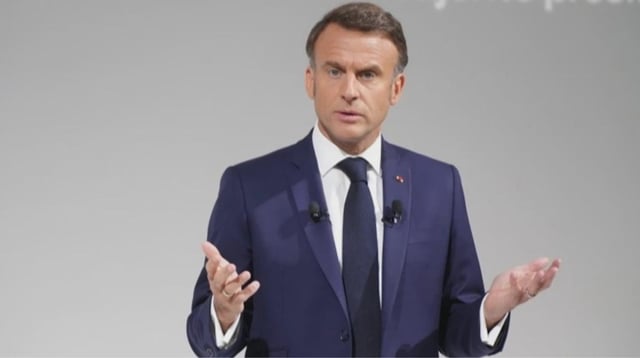
In a significant development within the sphere of international diplomacy, French President Emmanuel Macron has turned down an invitation from former U.S. President Donald Trump to join a proposed Global Peace Initiative. This decision, reflecting a divergence between the two leaders’ visions of global leadership and collaboration, underscores the complexities of contemporary geopolitics.
Political Dynamics and Diplomatic Constraints
President Macron’s refusal signals a cautious approach towards alliances that may not align with France’s strategic interests or the European Union’s broader policies. While Trump’s initiative aimed to gather global leaders under a banner of peace and cooperation, it appears Macron prefers to engage with international issues through multilateral institutions such as the United Nations and the European Union.
The French President has consistently advocated for a “Europe first” policy, prioritizing European sovereignty and integration. This decision aligns with his previous statements about reinforcing EU defense capabilities and reducing dependency on external powers. Macron’s stance also reflects ongoing tensions between his administration and Trump’s foreign policy, which often favored unilateral decisions and bilateral agreements over multilateral diplomacy.
Contrasting Leadership Styles
Macron and Trump have frequently clashed over various global issues, including climate change, NATO contributions, and economic policies. Macron’s commitment to global environmental initiatives, such as the Paris Agreement, starkly contrasts with Trump’s withdrawal from such accords during his presidency. This divergence in priorities is a key factor in Macron’s decision to decline the invitation to the Global Peace Initiative.
The two leaders also differ in their approach to global security and economic governance. Macron has championed collective security measures within Europe and advocated for a more open global trading system. In contrast, Trump’s “America First” doctrine often led to contentious trade relations and a reevaluation of traditional military alliances. These differing ideals further complicate collaborative efforts between them.
Reactions and Implications
Macron’s decision has elicited varied responses in international circles. Analysts suggest that it highlights Macron’s intent to solidify his leadership role within Europe while maintaining a cautious distance from initiatives that might undermine multilateral cooperation. Some European leaders have reportedly expressed tacit support for Macron’s decision, favoring regional unity over unpredictable international collaborations.
On the other hand, Trump allies view Macron’s refusal as a missed opportunity for European participation in a potentially significant global endeavor. Despite this, the initiative’s future remains uncertain as it continues to seek participation from other major powers.
The Path Forward for Global Diplomacy
The refusal of President Macron to join Trump’s initiative is emblematic of broader shifts in global diplomacy where traditional alliances are being reexamined. As nations navigate increasingly complex international relationships, the emphasis appears to be on securing regional interests and strengthening established multilateral frameworks. Macron’s decision may reinforce the notion that Europe is determined to forge its path on the global stage, prioritizing cohesive policies within its borders.
Looking ahead, it will be crucial to observe how this decision influences Europe-U.S. relations, especially in terms of collaborative efforts in addressing global challenges such as climate change, security, and economic instability. The dynamics of global diplomacy are evidently evolving, with countries reassessing their priorities and strategies in an unpredictable international environment.
In summary, Macron’s declination to participate in Trump’s Global Peace Initiative reflects a prudent diplomatic strategy prioritizing European unity and multilateral engagement. As global leaders continue to grapple with increasingly intricate political landscapes, the choices they make will undoubtedly shape the future of international relations.