 Kristina Vankova
In the ruins of Mariupol, a strategic Ukrainian city, the echoes of war have transformed everyday life into a constant struggle for survival. Residents here are challenging official narratives, voicing their experiences amidst destruction and uncertainty. As tension brews, their responses are marked by resilience and a quest for truth as they navigate this crisis.
The Ground Reality in Mariupol
Official narratives often paint a picture vastly different from the realities on the ground. In Mariupol, locals dispute the governmental reassurances of peace and stability. They speak of a city significantly strained by conflict, revealing stories of scarcity and disease that contradict external statements about progress and recovery.
The impact of war on Mariupol’s infrastructure has been profound. Basic services have become precarious, with residents frequently lacking access to essential resources such as electricity, clean water, and healthcare. The city’s healthcare facilities, once capable hubs of medical care, now face immense pressure with dwindling supplies and staff forced to work under relentless conditions.
Health and Sanitation Struggles
The health situation in Mariupol continues to deteriorate due to unsanitary living conditions. With waste management systems disrupted and water sources potentially contaminated, the risk of disease runs high. Residents report alarmingly high incidences of illnesses, complicating an already stressful environment where access to medical treatment is limited.
Governmental statements claim that measures have been instituted to curb health crises, yet locals assert these efforts remain insufficient. Hospitals and makeshift clinics scramble to manage overwhelming patient volumes, stretching their capabilities thin. This disparity between official portrayals and on-the-ground experience only adds to the frustrations of those affected.
Humanitarian Efforts and International Response
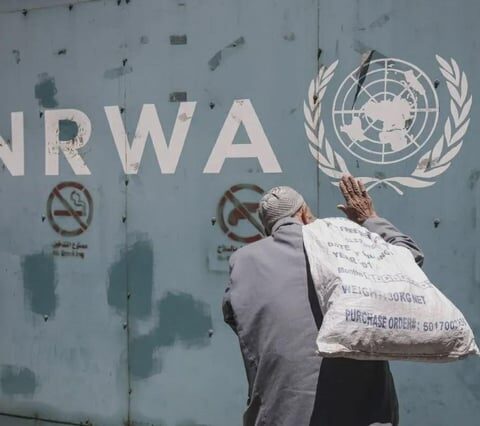
International humanitarian organizations have attempted to offer assistance in Mariupol, although logistical challenges and safety concerns have hampered many efforts. Aid workers strive to deliver relief, focusing on food distribution, medical supplies, and infrastructure repair in collaboration with local partners.
However, access to certain areas is restricted, and the continuous threat of violence complicates the distribution of aid. Despite these hurdles, the unwavering dedication of local and international groups to alleviate suffering provides a glimmer of hope for residents trapped in this prolonged siege.
Amidst this backdrop, the international community continues to call for de-escalation and peaceful resolutions. Diplomatic efforts are pushed forward with varying degrees of success, seeking to stabilize the region and provide a conducive environment for recovery and rebuilding.
The people of Mariupol, caught in the crossfire of competing narratives and political agendas, remain steadfast in their resilience. Their voices serve as poignant reminders of the human cost of conflict, urging a more transparent and compassionate approach to resolving the crisis.
As the world watches, the commitment to elevating these voices and addressing the multifaceted challenges faced by cities like Mariupol becomes ever more crucial. Only through continued dialogue and support can the people of Mariupol hope to see genuine change and a return to peace and stability in their daily lives.