 Kristina Vankova
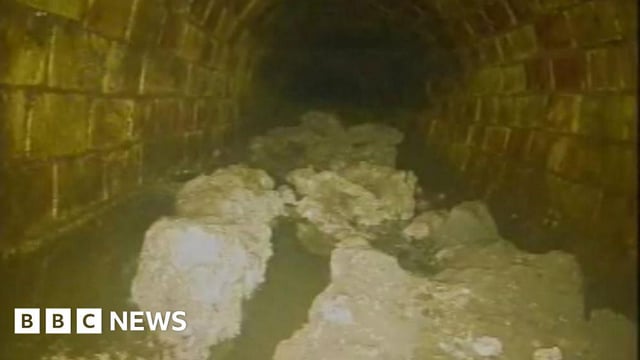
In an extraordinary discovery beneath London’s bustling streets, a massive 100-tonne fatberg has been found clogging the city’s Victorian sewer system. The enormous mass, composed mainly of fat, oil, and wet wipes, was unearthed in Whitechapel, East London, posing significant challenges for the city’s waterworks officials tasked with restoring normalcy to the sewer network.
A Monstrous Menace Beneath the Streets
The mammoth fatberg, which stretches the length of roughly two London buses, has raised alarms about the increasing problems caused by urban waste management. Thames Water, London’s main water and wastewater services provider, has dispatched a team of engineers to painstakingly dismantle the blockage. Officials have cited the urgency of the situation, noting the fatberg’s potential to cause widespread sewer backups and damage.
Origins and Implications of Fatbergs
Fatbergs are not new phenomena, but their increasing size and frequency have become notable, driven by modern urban living habits. They form when non-biodegradable materials, such as wet wipes, nappies, and condoms, combine with fats, oils, and grease that are improperly disposed of down kitchen drains and toilets. This solid mass can severely impact the sewer systems, leading to environmental hazards and costly repair works.
In response to this growing problem, Thames Water has been actively educating the public on the importance of proper waste disposal. The emphasis is on preventing such blockages by encouraging consumers to dispose of cooking fats in the trash and refrain from flushing non-biodegradable items, like wet wipes, into toilets.
The Battle to Break Down the Fatberg
Dismantling the Whitechapel fatberg is no small task, requiring the efforts of a crew working round the clock to remove the calcified mass using high-powered water jets and industrial-grade vacuum units. The process is expected to take several weeks, with workers taking all necessary precautions to safely and efficiently clear the sewer passages.
Economic and Environmental Concerns
The economic impact of fatbergs extends beyond just the immediate costs of removal. In 2013, Thames Water reported spending over £12 million annually to combat and clear sewer blockages, a figure that continues to rise. These blockages can lead to increased maintenance costs and higher bills for consumers. Moreover, the environmental impact is significant, with blockages causing sewage overflows that harm local ecosystems and water quality.
- Costly Infrastructure Repair: Prolonged blockages can cause extensive damage to the aging sewer infrastructure, necessitating expensive repairs.
- Increased Risk of Flooding: Blocked sewers can lead to increased flooding risks during heavy rain, potentially causing property damage.
- Environmental Degradation: When sewage spills over, it can degrade natural habitats and affect wildlife.
Public Awareness and Solutions
In light of the fatberg crisis, there is a growing push for both public and private entities to adopt comprehensive waste management strategies. Companies that produce wet wipes and similar products are under mounting pressure to develop biodegradable alternatives that lessen the strain on sewer systems. Meanwhile, widespread public education campaigns aim to change consumer behavior regarding waste disposal.
Innovative Approaches to Waste Management
Local governments and environmental agencies are exploring various measures to mitigate these challenges. Some proposed solutions include enhanced recycling programs for cooking oils and greases, as well as incentives for households using proper waste disposal practices. Additionally, newer sewage treatment technologies and smart sensor systems are being tested to swiftly identify and address blockages before they become severe.
Efforts to combat fatbergs require cooperation across all sectors—public awareness, corporate responsibility, and innovative technology must work in tandem to ensure sustainable urban living conditions. As London grapples with this colossal challenge, it highlights a broader global issue that requires immediate attention and action.
The discovery of the Whitechapel fatberg serves as a stark reminder of the unseen challenges faced by major cities as they strive to maintain vital infrastructure. With continued diligence and collaboration, cities may yet overcome these modern-day monstrosities lurking beneath their streets.