 Kristina Vankova
In a recent escalation of health concerns, public health officials have confirmed 30 cases of measles in northern Nova Scotia. This diagnosis brings the region into a heightened state of alert as medical teams work tirelessly to manage and contain the outbreak effectively.
The Scope of the Outbreak
The confirmed cases of measles have prompted a swift public health response to mitigate further spread. Health authorities are emphasizing the need for vigilance, urging residents to monitor for symptoms and ensure their vaccinations are up to date. Measles, a highly contagious viral infection, can lead to serious health complications if not swiftly addressed, particularly among children and unvaccinated individuals.
The current outbreak in Nova Scotia is a stark reminder of the virus’s ability to return, especially in communities with lower immunization rates. Public health officials have expressed concern over the potential for these cases to increase if effective containment measures aren’t swiftly implemented.
Public Health Response
Health services in Nova Scotia are mobilizing resources and personnel to control the outbreak. Medical teams have been deployed to affected areas, and the public is being urged to comply with vaccination protocols. The urgency stems from the need to protect vulnerable populations who are at a higher risk of severe reactions to the virus.
The Department of Health is actively tracing contacts of those infected, striving to understand the transmission pathways of the virus within the community. This proactive contact tracing effort is crucial in identifying and isolating new cases to prevent further spread.
Vaccination Efforts
In response to the outbreak, public health clinics are offering free measles vaccinations to those who are eligible. The intent is to increase the overall immunity within the community, thereby reducing the potential for further cases. High vaccination rates are known to create a community-wide resistance known as herd immunity, which is vital in protecting individuals who cannot receive the vaccine due to medical reasons.
- Free clinics are being set up across affected areas.
- Health education campaigns are being rolled out to raise awareness about the importance of vaccination.
- Mobile health units are being deployed to reach remote or underserved regions.
Understanding Measles Symptoms
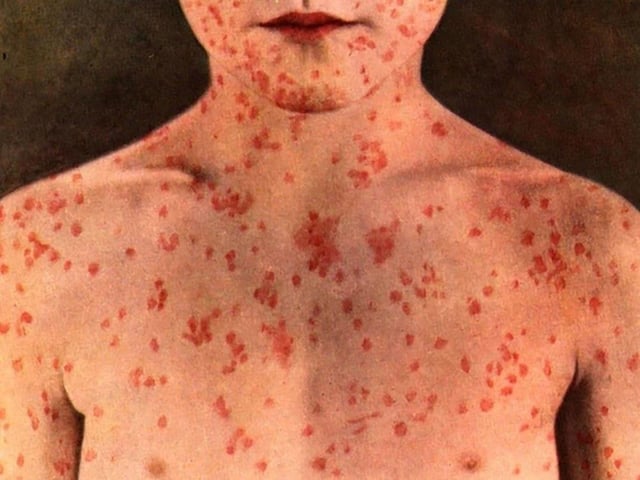
Measles, caused by the measles virus, typically begins with symptoms similar to a cold, including a high fever, cough, runny nose, and red, watery eyes. These initial symptoms are often followed by a rash that starts on the face and spreads downwards to the rest of the body.
Complications from measles can range from mild to severe, with the risk of pneumonia, encephalitis, and even death in vulnerable individuals. Health professionals advocate for vaccination as the most effective means of preventing these complications.
Community Advisory
Officials are advising those who suspect exposure to the virus to contact their healthcare provider for guidance. It is critical to avoid public spaces to curb the transmission potential and ensure that those feeling unwell remain in self-isolation until cleared by medical personnel.
Authorities are also working with schools and childcare facilities to ensure that all children are properly immunized, emphasizing this as a requirement for enrollment during this sensitive period.
As health officials in Nova Scotia navigate the complexities of this outbreak, their coordinated efforts are focused on safeguarding public health and ensuring that community members are informed, protected, and proactive in their response to this health challenge.