 Kristina Vankova
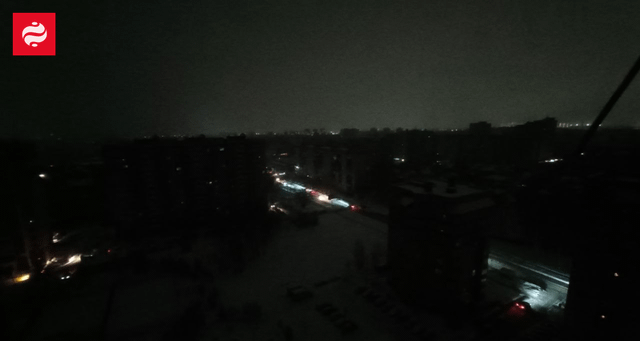
Residents across the Moscow region are grappling with a substantial power outage that has plunged more than 100,000 people into darkness. This unexpected blackout, occurring amid the changing autumn weather, has raised concerns about infrastructure stability and emergency preparedness in one of Russia’s most populous districts.
Extent of the Blackout
The power failure, which began late on a Monday evening, has impacted both residential and commercial sectors, disrupting daily activities for thousands. Initial reports indicate that the affected areas extend far beyond the regional capital, reflecting the widespread nature of the incident. The cause of the outage has been linked to technical failures in the power supply network, according to regional power authorities.
Immediate Response and Relief Efforts
Local authorities have responded with urgency, deploying repair teams to assess and address the electrical faults causing the supply disruption. Power restoration efforts are underway, yet officials caution that it may take several hours for the electricity to be fully restored. In the meantime, emergency services have been dispatched to assist in any urgent situations, especially in critical facilities such as hospitals and schools.
Impact on Daily Life
The blackout has had a noteworthy impact on the everyday lives of residents. Schools and businesses have been forced to close temporarily, while transportation services have experienced delays and complications. Moreover, with temperatures in Moscow dropping during the fall months, there is growing concern about the absence of heating in homes and public buildings.
Public Sentiment and Government Response
Public sentiment in the region is mixed, with frustration mounting among residents facing uncertainty. Calls for improved infrastructure resilience have intensified, urging governmental bodies to prioritize upgrades to the aging power grid. Government officials have pledged to investigate the root causes thoroughly and implement measures to prevent future occurrences.
Looking Forward
As power gradually returns to the affected areas, attention is turning towards long-term solutions to bolster the region’s power infrastructure. This incident highlights the pressing need for investment in modernizing energy systems to ensure reliability and stability. As residents and businesses resume normal activities, the focus remains on ensuring such disruptions become a rarity rather than a recurring issue.
The Moscow region’s current predicament serves as a reminder of the vital role that infrastructure plays in sustaining modern life. As the situation stabilizes, the collaborative effort between authorities and citizens will be crucial in fortifying the region against future challenges.