 Kristina Vankova
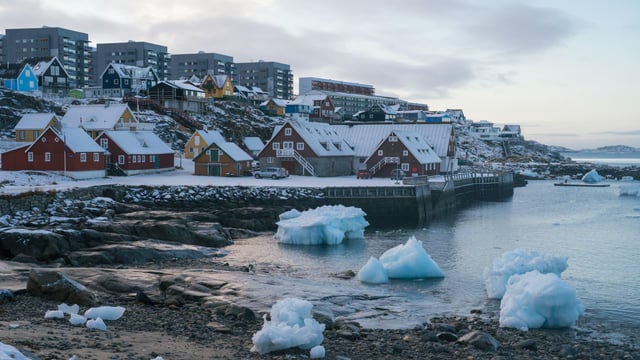
NATO member countries have stepped up their military presence in the Arctic, specifically Greenland, following a series of diplomatic discussions in Washington. This strategic move underscores the growing geopolitical importance of the Arctic region, which has been increasingly affected by climate change and emerging global tensions. The latest deployment aims to bolster territorial security and demonstrate multinational unity amidst heightening interests in the resource-rich North.
Arctic Security and Climate Change
The Arctic’s significance has evolved as climate change continues to open new sea routes and make previously inaccessible natural resources available. These changes have prompted various nations to assert their positions, seeking to expand their geopolitical influence over the area. For NATO allies, ensuring a steady military presence serves as a deterrent against potential aggressors and asserts control over pivotal navigation routes.
Recent studies indicate that the Arctic is warming at more than twice the global average rate, which accelerates ice melting and increases accessibility to the region’s resources. This thawing has attracted interest from non-Arctic nations as well, such as China, which has referred to itself as a “near-Arctic state” and has invested significantly in polar research and infrastructure.
Diplomatic Talks: Outcomes and Strategies
The diplomatic talks held in Washington culminated in a consensus among NATO nations on the need for a coordinated strategy to address the myriad challenges presented by the changing Arctic environment. Key among these challenges are environmental protection, sustainable development, and the mitigation of military tensions.
The discussions highlighted the importance of cooperation among Arctic nations, as well as with indigenous communities who have inhabited the region for centuries. Such cooperation is deemed critical to addressing the complex social, economic, and environmental issues unique to the Arctic. The participating countries aim to balance the exploitation of natural resources with environmental preservation and social responsibility.
Multinational Drills and Military Presence
As a concrete step following the talks, NATO nations have commenced a series of joint military exercises designed to simulate scenarios that could arise in the Arctic context. These drills involve coordinated operations between land, sea, and air forces to ensure readiness for any eventuality. The exercises not only serve a strategic military purpose but also reinforce the commitment of NATO allies to collective defense and operational interoperability.
The Broader Geopolitical Context
The deployment of NATO forces in Greenland is not just about defense but is also a signal to other major powers, notably Russia, which has been strengthening its military capabilities in the Arctic. In recent years, Russia has reopened Soviet-era bases and established new military installations to assert its dominance over the Northern Sea Route—a development path that parallels the sentiments of NATO’s latest move.
For NATO members, particularly those in Europe and North America, securing the Arctic is integral to maintaining global stability as the region’s transformations continue to unfold. The Arctic Council, comprising eight Arctic states, along with indigenous representatives, remains a pivotal platform for fostering dialogue and cooperation. However, military buildups may complicate the council’s non-military mandate.
Economic Opportunities and Environmental Concerns
Amid increased military activities, economic opportunities presented by the Arctic’s rich deposits of oil, gas, and minerals are catching the eyes of both Arctic and non-Arctic states. These resources promise significant economic benefits, which nations aim to harness while navigating the challenges of environmental conservation.
Environmental groups emphasize that the rising interest in the Arctic should not overshadow the pressing need for comprehensive environmental policies to protect this fragile ecosystem. The consequences of unchecked exploration and transportation can have far-reaching impacts on global climate patterns, marine life, and indigenous populations.
NATO’s enhanced Arctic presence serves as a balancing act between advancing economic interests and addressing environmental and indigenous concerns. The future of this icy frontier hinges on successful multinational cooperation and sustainable strategies that respect the natural limits of the region.
As the Arctic finds itself at the forefront of global strategic calculations, NATO’s actions highlight an understanding of the complexities and opportunities that lie ahead. The road forward involves deft diplomacy, scientific research, and cautious development to sustain the region for future generations while ensuring immediate security needs are met.