 Kristina Vankova
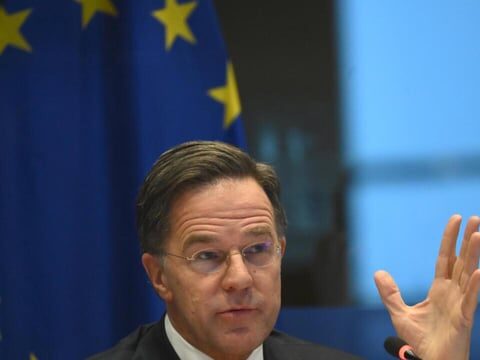
In a recent statement, Dutch Prime Minister Mark Rutte has highlighted the strategic significance of Ukraine as a focal point for the North Atlantic Treaty Organization (NATO), suggesting that allied efforts should prioritize Ukraine over regions such as Greenland. This perspective sheds light on the ongoing geopolitical discussions faced by NATO member states as they navigate shifting global security dynamics.
The Geopolitical Context
Ukraine has become a central figure in European security discussions, primarily due to its location and the ongoing tensions with Russia. Since the annexation of Crimea in 2014 and the subsequent conflict in Eastern Ukraine, NATO has been considering various strategies to bolster its eastern flank. Rutte’s remarks come at a time when security and military experts are advocating for increased support to Ukraine, which lies directly on the frontier of European stability.
Rutte’s call stresses the strategic imperative of supporting Ukraine to deter further aggressive maneuvers from Russia. He suggests that reinforcing Ukraine’s defenses aligns with NATO’s long-term security goals, maintaining that a focused approach towards Eastern Europe is crucial.
Strategic Military Alliances
NATO’s commitment to collective defense underpins its approach to emerging threats. While Greenland holds strategic importance due to its geothermal position and resources, Rutte’s emphasis on Ukraine signifies a pivot towards addressing more immediate military and geopolitical threats.
In light of recent global developments, Rutte’s sentiment is likely supported by defense analysts who see Ukraine as pivotal for maintaining balance in Eastern Europe. The idea is to bolster NATO’s presence and preparedness in potential hostilities, which are viewed as more immediate in Ukraine than in Greenland’s relatively stable geopolitical landscape.
Reaffirming Support for Ukraine
The Netherlands, alongside other NATO allies, has consistently supported Ukraine through military aid and training programs intended to enhance its defense capabilities. This strategy not only strengthens Ukraine’s ability to withstand external aggression but also serves as a deterrent to potential threats in the region.
- Increased military aid and training for Ukrainian forces
- Enhanced intelligence sharing between NATO members
- Regular joint military exercises near Eastern Europe’s frontiers
These initiatives are reflective of a strategy designed to fortify Europe’s security architecture against unforeseen aggressions.
Complex Decisions for NATO
As NATO continues to adapt to new geopolitical environments, the debate over resource allocation remains pertinent. The alliance is tasked with weighing the strategic importance of various regions against available resources and potential military threats.
While Greenland offers critical opportunities, particularly in terms of surveillance and control over the Arctic, the argument for prioritizing Ukraine hinges on its immediate necessity in countering Russian influence and supporting Europe’s long-term stability.
Rutte’s comments echo a broader sentiment that NATO must address pressing challenges on its border, harmonizing its resources to ensure a swift and effective response to any conflicts that may arise. This deliberation feeds into NATO’s longstanding mission of collective defense and maintaining global peace and security.
As NATO navigates this complex geopolitical landscape, it faces the challenge of setting strategic priorities that are both foresighted and responsive to the current security climate. Ukraine, as outlined by Prime Minister Rutte, undeniably represents a crucial axis for such concerns in contemporary strategy discussions.
By focusing on Ukraine, NATO aims to uphold its commitment to reinforcing its eastern frontier against adversities, balancing the intricate threads of security that bond its member states. As this dialogue evolves, Rutte’s firm stance is likely to further influence NATO’s strategic direction and decisions.