 Kristina Vankova
In a groundbreaking development, New Caledonia is embarking on a historic journey to achieve statehood while still maintaining its ties to France. This move marks a significant turning point for the Pacific island, which has been grappling with its identity and governance structure. The transition to statehood is poised to bring about changes in political, economic, and cultural landscapes, potentially setting an example for other territories seeking a similar path.
Historical Context and the Path to Statehood
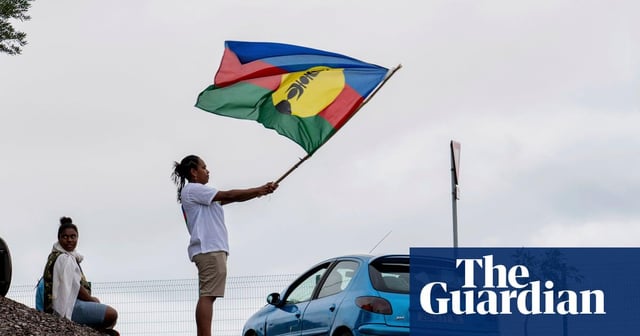
New Caledonia, an archipelago in the South Pacific, has been a French territory since 1853. Over the years, it has been the center of contention between pro-independence Kanaks, the indigenous people, and those advocating for continued association with France. The Nouméa Accord, signed in 1998, laid the groundwork for gradual autonomy but stopped short of full independence. This accord was significant in calming tensions following years of conflict, known as “Les Événements,” during the 1980s.
The move towards statehood comes after a series of referenda, the most recent of which was held in October 2021. In this referendum, the option of full independence was rejected, paving the way for a compromise that grants greater autonomy yet retains the symbolic and political association with France. This balance reflects the diverse and sometimes conflicting aspirations of New Caledonia’s population, which is composed of indigenous Kanaks, descendants of European settlers, and other ethnic groups from neighboring regions.
Implications for Governance and Autonomy
The transition to statehood is expected to bring about a more localized governance framework. New Caledonia will gain control over several key areas such as education, healthcare, and internal affairs, while France retains control over defense, currency, and foreign affairs. This distribution of powers aims to empower New Caledonia to address local needs more effectively while benefiting from France’s international influence and economic stability.
The new status could also lead to an enhancement of the local economy, promoting initiatives that boost sustainable tourism, mining, and agriculture sectors. With more autonomy, New Caledonia hopes to diversify its economic activities, reducing reliance on its rich nickel resources and creating a more resilient economic model. This economic diversification is seen as crucial for addressing local unemployment challenges and improving the standard of living for all inhabitants.
Challenges and Opportunities Ahead
- Political Dynamics: With greater autonomy, there may be political challenges as different groups vie for influence within the new governance framework. Ensuring a stable and inclusive political environment will be critical for a smooth transition.
- Cultural Preservation: Balancing modern development with the preservation of indigenous Kanak culture will be a key challenge. Efforts to promote and integrate cultural heritage into governance and education are expected to play a central role.
- Economic Reforms: Implementing effective economic reforms that leverage New Caledonia’s natural resources while ensuring environmental sustainability will be crucial. Embracing renewable energy and conservation efforts could bolster long-term growth.
Retaining the French Connection
Despite the shift towards greater autonomy, the decision to maintain a connection with France underscores the importance of stability and mutual benefits. For New Caledonia, France provides significant financial aid and infrastructural support, which plays an important role in the territory’s development. This relationship is seen as a strategic advantage, offering the best of both worlds by allowing local governance while benefiting from French diplomatic and military protection.
Furthermore, maintaining the French connection ensures that New Caledonia remains linked with the European Union, offering access to a larger market and deeper integration into global trade networks. This link is especially crucial as the global economy continues to evolve, presenting both challenges and opportunities for small island territories.
As New Caledonia stands at this historic crossroads, the journey towards statehood while retaining the French connection illustrates a unique approach to self-governance. This development could serve as a model for other territories seeking to balance autonomy with the advantages of a larger protective entity, navigating the complexities of identity, governance, economy, and international relations in an increasingly interconnected world.