 Kristina Vankova
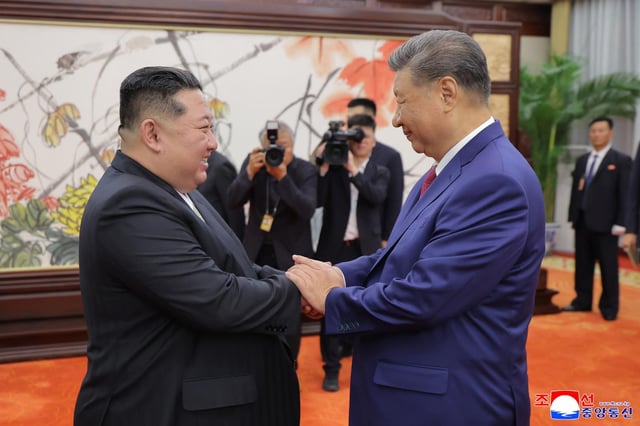
In a significant development following recent diplomatic engagements, North Korea’s trade with China has reached its highest level in six years. This resurgence in trade ties comes on the heels of a high-profile summit between North Korean leader Kim Jong-un and China’s President Xi Jinping, indicating a thaw in their economic relations and potentially altering the geopolitical landscape in the region.
Strengthening Bilateral Relations
The uptick in trade underscores a strengthening bond between the two countries, driven by a combination of geopolitical strategy and economic necessity. As North Korea continues to face international sanctions over its nuclear program, the nation’s economic reliance on China, its largest trading partner, becomes increasingly pivotal. This latest trade surge signals both countries’ willingness to deepen economic cooperation amidst global pressures.
During the recent summit, both leaders reportedly discussed various bilateral issues, with trade being a top agenda point. China, on its part, appears committed to supporting North Korea’s economic revival, reflecting a strategic partnership that goes beyond mere trade transactions. This realignment could impact regional stability, as well as the influence that other nations, particularly the United States, have on North Korean policies.
Economic Implications
The increase in trade flows primarily comprises North Korean exports of minerals, textiles, and agricultural products, while imports from China include essential commodities and agricultural machinery. Analysts suggest that this trade expansion could alleviate some of the economic challenges faced by North Korea, offering a lifeline to its struggling economy.
China’s role as a lifeline is critical for Pyongyang as it looks to strengthen its economy without yielding to international pressures concerning its nuclear ambitions. On the other hand, this boost in trade helps China assert its influence over North Korea, reinforcing its position as a key player in regional geopolitics.
Challenges and Future Prospects
Despite the positive trajectory, the renewed trade relationship between North Korea and China is not without challenges. Both countries must navigate complex international dynamics, especially considering ongoing sanctions and global scrutiny over North Korea’s nuclear program.
Moreover, the sustainability of this economic relationship hinges on North Korea’s ability to address internal policy challenges and its willingness to engage in diplomacy concerning its controversial military pursuits. China’s ability to balance its relationship with North Korea while maintaining good standing with other global powers also remains a delicate task.
The future of North Korea-China trade relations will likely depend on the broader political landscape and both nations’ ability to manage external pressures while fostering internal growth. As discussions continue and diplomatic relations evolve, regional and global stakeholders will closely monitor these developments, evaluating their potential impacts on security and prosperity in Northeast Asia.
In conclusion, the resurgence of North Korea-China trade marks a significant milestone in their bilateral relations, highlighting both nations’ strategic interests and economic interdependencies. As regional dynamics continue to shift, the implications of this strengthened partnership will unfold, with observers keenly watching how it will influence the broader geopolitical theatre.