 Kristina Vankova
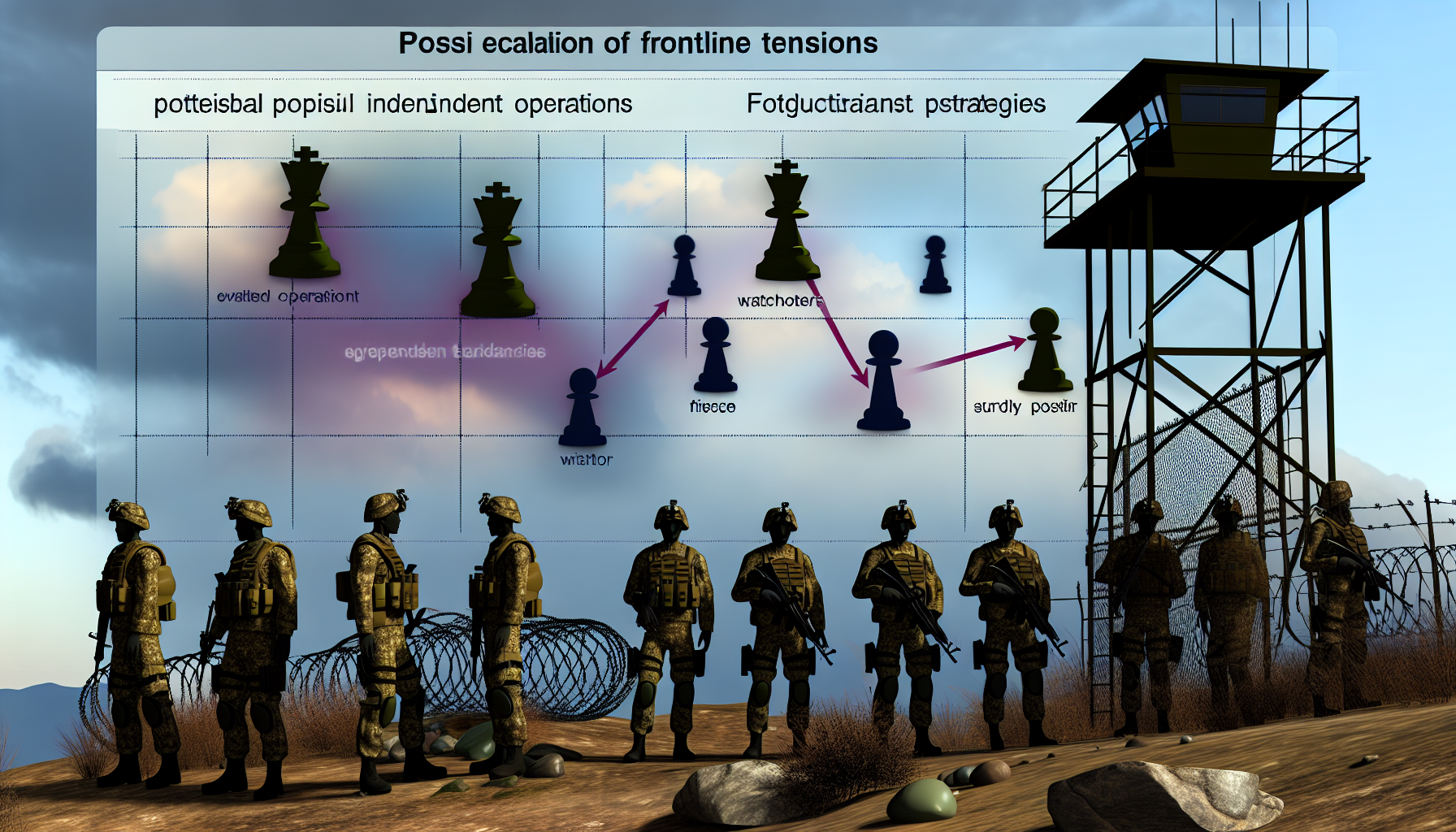
In recent developments, tensions along the demilitarized zone (DMZ) appear to be escalating due to the potential involvement of North Korean troops. Experts have raised alarms about the possibility of these troops operating independently, which could further heighten the already precarious situation on the frontlines. The current geopolitical landscape sees these matters critically influencing diplomatic relationships and regional stability.
Potential Implications of North Korean Troop Movements
The strategic positioning and activities of North Korean military personnel have long been a focal point of international concern. The potential for North Korean soldiers to engage in independent operations opens up a myriad of scenarios, each bearing significant implications for regional security and diplomatic engagements. Such moves could be seen as provocations, risking a domino effect that might trigger defensive responses from neighboring countries.
Independent Operations: A Strategic Shift?
The assertion that North Korean troops may undertake autonomous operations suggests a possible strategic pivot by the regime. This tactical adaptation could serve multiple purposes, including testing international reactions or showcasing military capabilities as a form of political signaling. Such strategies, however, carry inherent risks, primarily the threat of miscalculation leading to unintended military engagements.
Regional Reactions and International Concerns
The potential escalation due to these troop movements has sparked concerns among North Korea’s neighbors and global superpowers. South Korea, in particular, remains cautious, given its proximity and historical tensions with the North. Moreover, any military escalation could draw in the United States, which maintains a significant strategic interest in the Korean Peninsula.
The implications extend to China and Russia as well, both of whom share borders with North Korea and have vested interests in maintaining a stable Korean Peninsula. The balance of power in East Asia hinges on how these nations interpret and respond to North Korea’s military maneuvers.
Expert Opinions on North Korean Military Activities
Specialists in military and international affairs provide critical insights into these developments. According to them, independent operations by North Korean forces could signify an attempt by the leadership to project strength internally and externally. Demonstrating military prowess may serve domestic propaganda purposes, bolstering national unity under the regime’s rule.
Potential Scenarios and Outcomes
- Heightened Military Tension: Any perceived threat or actual aggressive maneuver might lead to heightened military alertness among neighboring states, potentially leading to confrontations.
- Diplomatic Dialogues: Alternatively, this situation might pave the way for increased diplomatic dialogues aimed at de-escalation and conflict prevention.
- Sanctions and Economic Impacts: North Korea could face intensified international sanctions, exacerbating its economic challenges, thereby impacting civilian life within the country.
Navigating the New Normal with North Korea
The potential for North Korean troops to independently operate on the frontlines requires strategic patience and calculated responses from the international community. Governments involved need to weigh military options against diplomatic solutions, considering the wider implications on global peace and security.
Adopting a balanced approach that leverages diplomatic channels and enforces strategic deterrence could prove effective in managing tensions. Engaging in multilateral negotiations through international bodies might also offer viable pathways to mitigate risks associated with North Korea’s military activities.
Historical Context and Recent Developments
Historically, the Korean Peninsula has been a flashpoint of geopolitical tensions, with the Korean War providing an indelible backdrop to current affairs. The intermittent peace and provocations over the decades underscore the complex interplay of military posturing and diplomatic negotiations. Recent developments suggest a continuation of this pattern, yet with new dynamics that reflect the evolving international landscape.
The Role of Technology and Intelligence
The role of technology and intelligence in understanding and anticipating North Korean military strategies cannot be underestimated. Advances in surveillance, reconnaissance, and cyber capabilities enhance the abilities of nations to monitor activities on the Korean Peninsula, thus informing policy decisions and enhancing regional security.
Public Sentiment and Media Perspectives
Public perception in countries most impacted by these developments tends to exhibit a mixture of apprehension and resilience. Media outlets play a crucial role in shaping these narratives, often amplifying the voices advocating for peace and stability while critiquing aggressive military strategies.
Balancing sensationalism with factual reporting is essential to ensure that constructive dialogue and informed decision-making are prioritized over fear-mongering and misinformation.
Ultimately, the unfolding situation regarding North Korean troop movements will require a concerted effort from the global community. Encouraging dialogue, bolstering defensive alliances, and implementing strategic detersives are pivotal steps toward achieving long-term stability and peace on the Korean Peninsula.
The international community must remain vigilant and proactive in addressing this potential flashpoint, ensuring that efforts to de-escalate tensions are continuously pursued and that the delicate balance of peace is upheld.
As events develop, keeping abreast of the situation and understanding the nuanced facets of North Korean military strategies can help stakeholders craft informed responses, fostering peace and stability in a region fraught with historical complexities.
Readers are encouraged to follow further updates on this critical issue, engage in discussions about geopolitical strategies, and support dialogue-driven approaches to conflict resolution in East Asia and beyond.