 Kristina Vankova
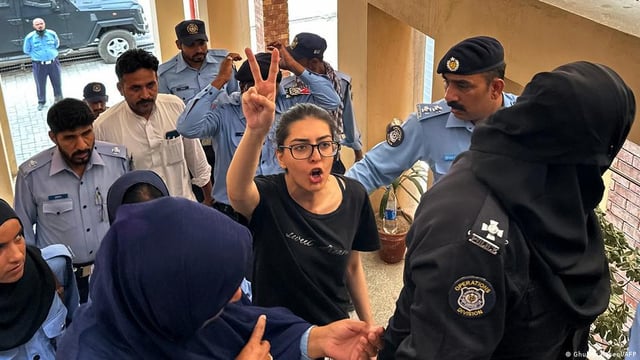
In a surprising development in Pakistan, authorities have detained a prominent human rights lawyer, sparking concern and drawing attention to the country’s judicial and human rights landscape. The arrest has raised pressing questions about the state of freedom and judicial independence in the region.
The Arrest and Immediate Concerns
The lawyer, whose reputation for championing human rights precedes them, was apprehended alongside their partner. The incident reportedly occurred at their residence, leaving family and supporters in distress. This development has taken observers by surprise, highlighted by the swift nature of the operation and the low profile maintained by the authorities regarding the charges or reasons behind the arrest.
Family members have expressed grave concern for the lawyer’s safety, given the high-profile nature of their work in a country where human rights work often intersects with tensions from various state and non-state entities. The absence of a clear legal rationale for the detentions has heightened anxieties and fueled speculation regarding their motivations.
Implications for Human Rights Advocacy
Human rights organizations and legal bodies within Pakistan and internationally are closely monitoring the situation. The lawyer, known for defending high-profile and often politically sensitive cases, is recognized as a stalwart defender of civil liberties in a challenging environment. Their work often places them at odds with the state and has historically attracted both admirers and detractors.
The apprehension of such a figure could signal a worrisome trend for those advocating for judicial independence and human rights in Pakistan. Historically, the detention of prominent voices in human rights advocacy is seen as an attempt to intimidate and silence dissent, a tactic not unfamiliar in the region and globally. These actions have repercussions not only on the immediate individuals involved but also cast a chilling effect over civil society and advocacy work.
Historical and Political Context
Pakistan’s human rights record has been frequently scrutinized by international bodies. The nation continues to grapple with challenges concerning free expression, legal access, and the protection of minority rights. In recent years, several human rights activists and legal professionals have faced similar situations, marking a contentious relationship between the state and human rights advocates.
The arrest takes place against a backdrop of significant political changes and unrest in Pakistan. With the shifting political landscape, the pressure on the judiciary and legal systems to maintain autonomy has never been greater. This incident is likely to fuel debates about judicial overreach, the use of state machinery against dissenters, and the overall human rights environment in the country.
The unfolding events concerning the detained lawyer and their partner serve as a crucial barometer for observers analyzing judicial proceedings and governance in Pakistan. For many stakeholders, it reinforces the need for vigilance and continued advocacy for the protection of basic rights and freedoms. As this story develops, its outcomes will inevitably inform broader discussions on accountability and reform in Pakistan’s legal system.
While hopes remain that the legal process will swiftly address and resolve any ambiguity concerning the detentions, this episode underscores the delicate balance between state power and individual rights, a balance that remains under the global spotlight.