 Kristina Vankova
Pavel Advocates for Immediate UN Overhaul
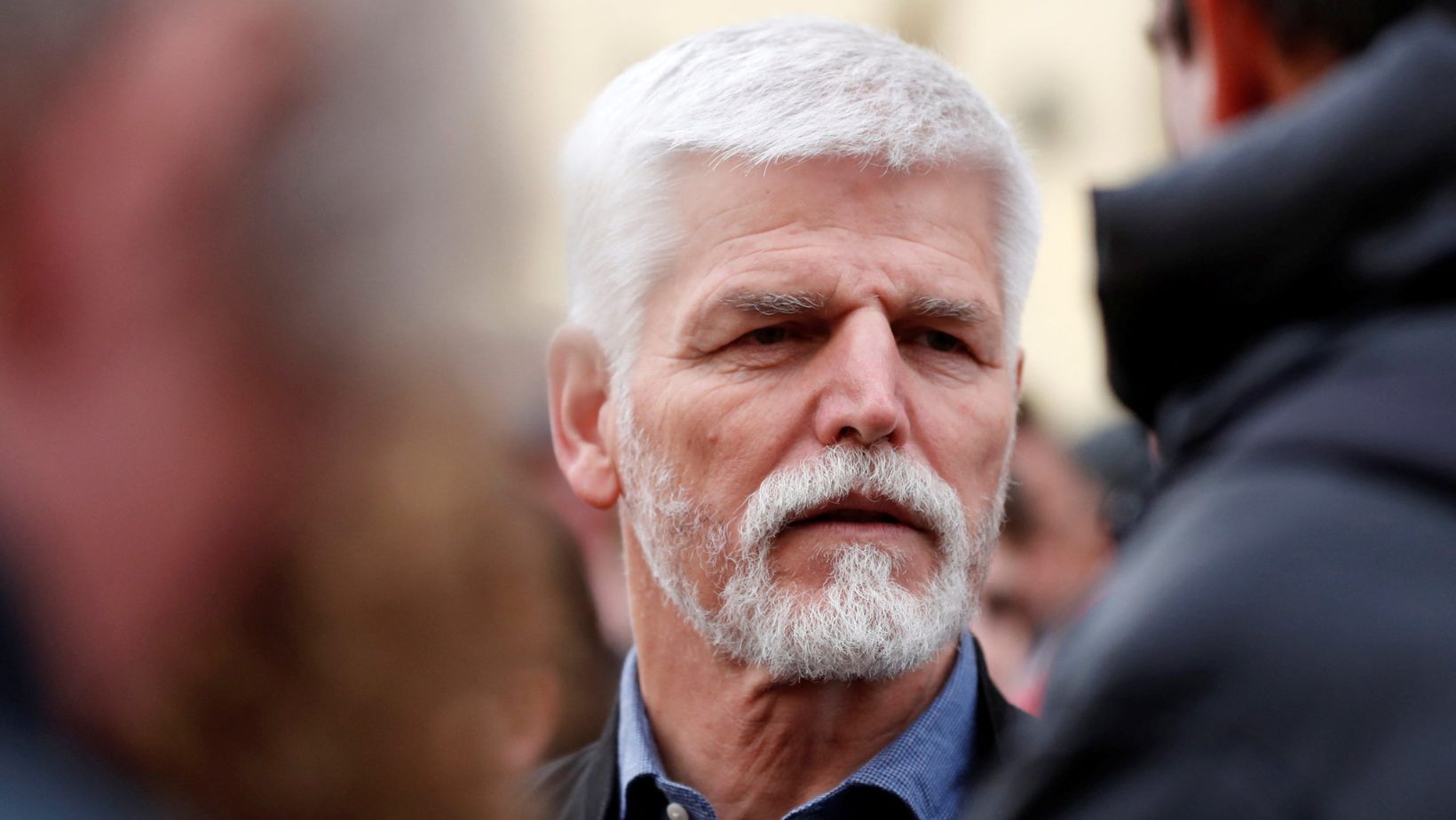
Standing before the assembly, President Petr Pavel articulated the pressing necessity for an overhauled United Nations structure. “The velocity of global crises calls for an equally swift and dynamic United Nations,” exclaimed Pavel. He underscored that the current organization, designed in a post-World War II context, is increasingly outpaced by modern-day challenges.
The Czech President laid out several key reform areas. Primarily, he emphasized the need to revamp the Security Council, suggesting that its existing composition and veto framework are outdated and obstructive to decision-making processes. “The veto power held by a few countries often leads to a standstill, making the UN ineffectual at critical junctures,” noted Pavel.
Modernizing the UN Agenda
Beyond Security Council reforms, Pavel advocated for adapting the UN agenda to address issues such as cyber security, climate change, and bioengineering risks. “These are 21st-century challenges that cannot be met with 20th-century mechanisms,” he pointed out.
Pavel mentioned that the technology-driven global landscape requires unprecedented collaboration. “We must prioritize policies that balance technological innovation with ethical considerations and security measures,” he said.
Increased Pressure on Russia
Stepping into more contentious territory, President Pavel fervently called for an international coalition to exert increased pressure on Russia. This comes amid intensified scrutiny of Russia’s foreign policies and military actions.
“Russia’s actions have sown discord and instability,” Pavel stated firmly. He cited the country’s ongoing involvement in Ukraine as an exacerbating factor in global tensions. “We cannot turn a blind eye to the violations of international law,” he insisted.
Global Response and Economic Sanctions
Pavel proposed a multi-faceted approach combining diplomatic isolation, economic sanctions, and strategic partnerships to counter Russian aggression. “The international community must send a clear and unequivocal message that breaches of sovereignty and territorial integrity will not be tolerated,” asserted Pavel.
His speech called for strengthening trade restrictions, freezing assets, and imposing comprehensive financial measures aimed at Russian government and influential oligarchs. “Economic sanctions should be precise and targeted, ensuring maximum impact while minimizing collateral damage to global markets,” he advised.
Concluding Remarks and Call to Action
Pavel concluded his address by urging UN member states to unite in both reforming the institution and addressing global security threats. “We are at a pivotal moment in history where collective action is not just preferable but essential,” he emphasized.
Observers noted that Pavel’s speech could catalyze a resurgence of interest in UN reforms. The reaction from member states varied, with some expressing outright support while others adopted a more cautious stance.
Public and Diplomatic Reactions
Public opinion in the Czech Republic and across Europe reflected a blend of pride and anticipation. Many saw President Pavel’s address as a bold move that could elevate the Czech Republic’s standing in global diplomacy.
Meanwhile, diplomatic circles were abuzz with speculation about potential repercussions. Will Pavel’s robust stance lead to substantive policy shifts or rekindle geopolitical tensions? Only time will tell.
Illustrating the Scene
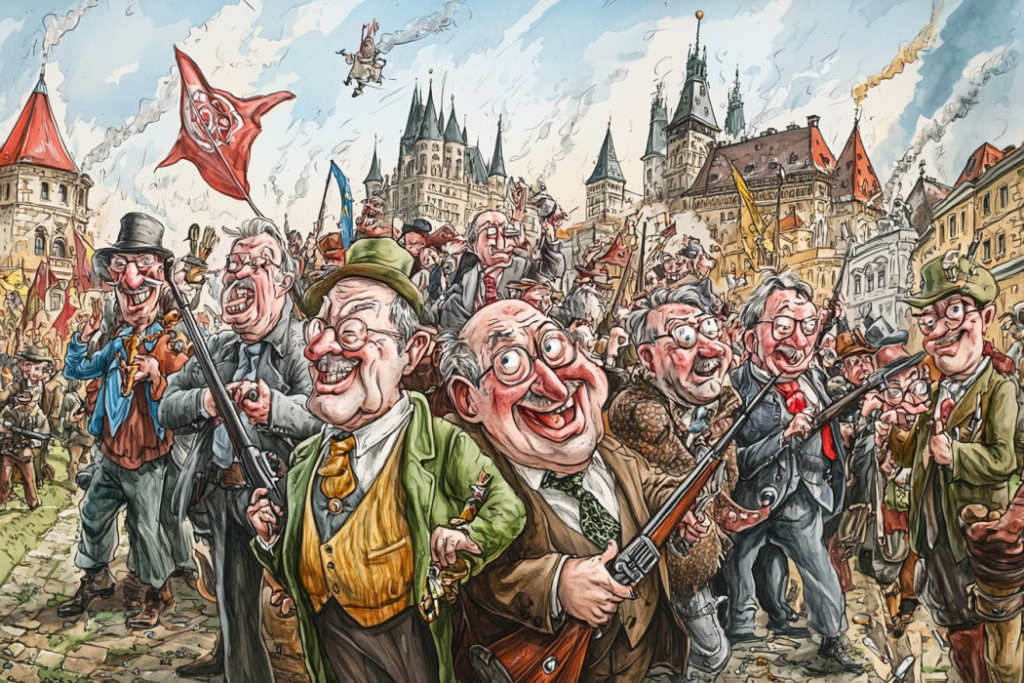
To fully capture the momentous speech, one could envision an illustration of President Pavel at the UN podium, his face set in determination, flanked by the imposing backdrop of the UN Assembly Hall. Delegates from around the world listen intently, their expressions a mix of contemplation and urgency, mirroring the high stakes of his address.
This visual representation encapsulates the essence of Pavel’s message that resonated through the hall: reform is not a choice but an imperative, and action against malfeasance on the international stage is a duty, not a preference.
Future Implications
The coming months will be crucial in determining if Pavel’s appeal for UN reforms and greater pressure on Russia will translate into concrete diplomatic efforts. His authoritative tone and detailed proposals have set the stage for potentially transformative discussions.
As the world grapples with escalating crises that transcend borders, the urgency of implementing dynamic strategies as emphasized by Pavel cannot be overstated. A rejuvenated UN, equipped to tackle contemporary challenges, may very well become the beacon of hope and stability in an increasingly unpredictable world.