 Kristina Vankova
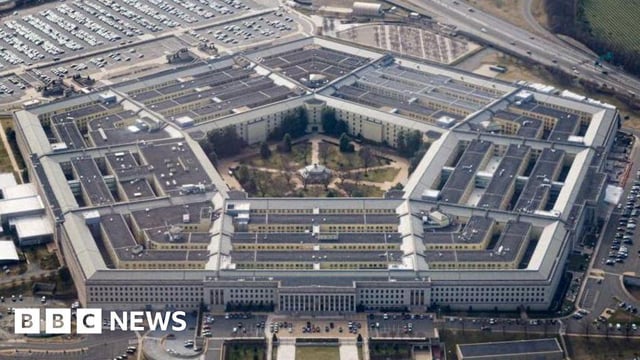
In a significant shift in global defense strategy, the Pentagon has announced that China is no longer at the forefront of its security priorities. This move marks a pivotal change in focus for the United States Department of Defense, signaling a reallocation of resources and strategic efforts towards emerging threats that require immediate attention. The decision to alter its security focus comes amid evolving geopolitical dynamics and a need to address pressing global security challenges.
Strategic Shift: Understanding the Pentagon’s New Stance
For many years, the Pentagon has identified China as a primary strategic competitor, prioritizing military readiness and diplomatic efforts in East Asia. However, changing global circumstances have prompted a reevaluation of priorities. Pentagon officials have indicated that the shift does not reflect a diminished concern over China’s growing influence. Rather, it is an attempt to adapt to a rapidly changing security environment, where new challenges must be tackled promptly to ensure national and international stability.
Key among these challenges is the rise of emerging technologies and their implications for cyber warfare. The Pentagon is now increasingly focused on enhancing its capabilities in cyber defense and disrupting potential threats from rogue states, terrorist organizations, and non-state actors. The ability to safeguard critical infrastructure from cyberattacks has become a priority, aligning with the recognition that future conflicts may be fought on digital battlefields rather than traditional ones.
Reallocation of Resources: Balancing Global Threats
As part of its new strategy, the Pentagon is reallocating resources to address a broader range of threats. This includes bolstering alliances, investing in advanced technologies, and strengthening intelligence-gathering operations. The shift underscores a multifaceted approach to defense, which considers not only the traditional military aspects but also economic, technological, and diplomatic dimensions.
The Defense Department’s budgetary adjustments further highlight this transformative period. Funds previously directed towards East Asian military operations are now being diversified to enhance readiness in other critical areas, such as counter-terrorism efforts and maintaining stability in volatile regions around the world. Enhanced cooperation with NATO and other international partners is also on the agenda, ensuring a collaborative approach to global security management.
Implications for International Security Dynamics
The Pentagon’s reorientation may also influence the geopolitical landscape, prompting reassessment among allies and adversaries alike. For nations that have relied on the U.S. as a counterbalance to China’s influence, the shift may necessitate recalibration of their own security policies. This includes reassessing military spending, diplomatic strategies, and regional alliances.
Moreover, China’s response to the Pentagon’s altered stance could further shape international relations. While the reorientation is not an indication of reduced vigilance in the Asia-Pacific, it may be perceived as an opportunity for China to expand its regional influence. This potential realignment of power dynamics could have significant ramifications for global trade, security agreements, and diplomatic engagements.
As it stands, the Pentagon’s decision to diversify its focus offers new avenues for addressing contemporary security threats while navigating the complexities of a multipolar world. By balancing defense objectives with growth in cyber capabilities and international collaboration, the U.S. aims to maintain a resilient security posture in the face of evolving global challenges. The broader implications of this strategic realignment will undoubtedly unfold over the coming years, shaping the future of international security policy and cooperation.