 Kristina Vankova
Introduction
In the wake of the recent elections, the political landscape in the Czech Republic has witnessed significant shifts and surprising developments. The outcomes have elicited a broad spectrum of reactions from the major political players. One thing is clear: the results have left their mark, prompting calls for reflection and strategy re-evaluation across the board.
The Pirates: A Call for Reflection
Shocking Results
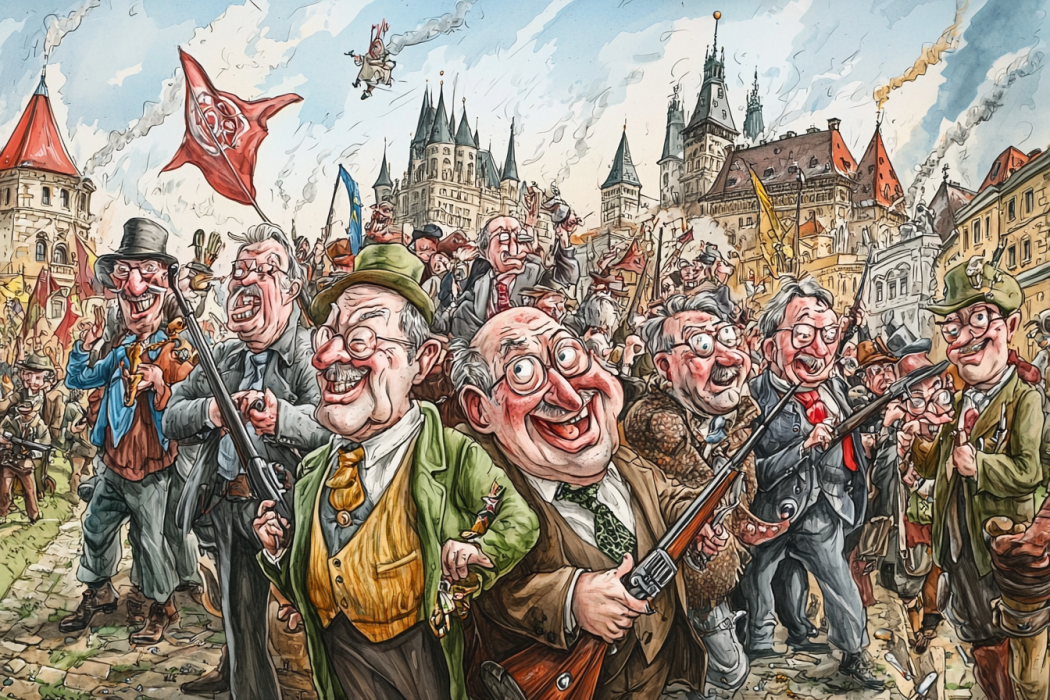
The Pirate Party, known for its progressive and reformist agenda, found itself grappling with disappointing election results. Political analyst Tomas Bartkovsky poignantly summarized the situation, suggesting that the Pirates might benefit from some introspection or even therapy. The loss came as a significant blow to a party that had hoped for a stronger mandate to push its policies.
The Need for Introspection
Bartkovsky’s colorful suggestion that the Pirates need therapy underscores a broader need for the party to analyze where it went wrong. Were their policies too ambitious? Did they fail to connect with key demographics? These are vital questions that the Pirates must address if they aim to regain and build their political influence in future elections.
Babis: The Exhaustion of a Titan
A Grueling Campaign
Andrej Babis, the erstwhile Prime Minister and leader of ANO 2011, exhibited clear signs of fatigue following the intense campaign period. The election results have underscored his exhaustion, marking perhaps the most demanding period of his political career.
Leadership under Pressure
Babis’s campaign faced staunch opposition, aggressive media scrutiny, and relentless political attacks. The toll on his physical and mental well-being was evident. His supporters hope that this exhaustion does not signal a retreat from the political forefront, as his leadership remains a central pillar of the ANO 2011 party.
Okamura: A Strategy in Panic
Unexpected Setback
Tomio Okamura and his SPD party faced an unexpected setback in the elections. The results threw him into a state of panic as the party failed to secure the anticipated level of support. This panic is reflective of deeper issues within the party’s strategic approach.
A Need for Strategic Reassessment
For SPD, the election results indicate a pressing need to revisit and reassess their strategy. Did their messaging fail to resonate with voters? Is there a disconnect between the party’s leadership and its base? These questions will be critical for Okamura as he seeks to stabilize and strengthen his party moving forward.
Analysis: Understanding Voter Behavior
The Voter’s Message
The election results underscore a crucial message from the voters. Discontent with traditional political structures and leaders has been a significant theme, manifesting in fluctuating support for various parties. The outcomes illustrate a desire for change, but also a demand for stability and pragmatism.
The Role of Media
Media coverage played a crucial role throughout the campaign, influencing voter perception and turnout. The intense scrutiny faced by Babis, the portrayal of the Pirates’ ambitious agenda, and the media’s framing of SPD’s policies all contributed to shaping the election narrative.
Future Implications for Czech Politics
Recalibration Across Parties
The post-election period will necessitate a phase of recalibration for most political players. For the Pirates, this means dissection and reformation of their strategy and approach. For Babis, it might involve rejuvenating his energy and solidifying his leadership. For Okamura, it requires a precise understanding of the panic-inducing factors and addressing them head-on.
Emergent Political Dynamics
The election results have introduced new dynamics in the Czech political landscape. Coalitions and alliances are likely to undergo transformations, influenced by the fresh mandate the electorate has delivered. This phase will be critical in defining the immediate future of Czech governance and policy-making.
Policy Focus
Future policy directions will likely reflect the electorate’s sentiment. Key issues like economic stability, healthcare, and reform policies will dominate the political discourse. The Pirates’ focus on digitalization and transparency, Babis’ approach to economic management, and SPD’s stance on immigration and national identity will all need to align more closely with voter expectations moving forward.
Challenges Ahead
The elections have brought to the fore numerous challenges. Economic recovery post-COVID-19, effective governance amidst political fragmentation, and addressing social issues like health care and education reform are immediate priorities. Political parties will need to demonstrate a clear and effective approach to these challenges to maintain and strengthen their voter base.
Conclusion
The recent elections have acted as a catalyst for significant reflection and strategy shifts within the major political parties in the Czech Republic. The Pirates’ need for introspection, Babis’ visible exhaustion, and Okamura’s panicked response all underscore the seismic impact of the results. Moving forward, how these parties adapt and respond to the clear messages from the electorate will shape the future of Czech politics.
The realignment of strategies, addressing voter concerns, and setting pragmatic yet progressive agendas will be crucial. As the dust settles, the political landscape in the Czech Republic emerges reshaped, with new challenges and opportunities on the horizon.