 Kristina Vankova
In a move that underscores rising regional security concerns, Poland has re-established border controls with its neighboring countries Germany and Lithuania. This decision marks a significant shift in Poland’s approach to managing its frontiers within the Schengen Area, where borders are typically open and free of regular checks.
The Polish government states the enhanced border security measures are temporary, designed to intercept and prevent potentially illegal activities. While no specific incidents triggered the reinstitution of border controls, officials have emphasized the growing necessity to safeguard national security and combat illegal immigration and smuggling.
Regional Security Concerns
The reinstatement of border checks comes amid broader security concerns in Europe, where nations have grappled with issues of migration and terrorism. Polish authorities have pointed out that the step will help them better regulate the flow of people and goods across its borders. Given Poland’s strategic position in Eastern Europe, the government stresses the importance of remaining vigilant against risks that could threaten national and regional stability.
Poland’s decision reflects a trend seen in other European countries that have temporarily reintroduced border controls in response to heightened security threats. Neighboring Germany, for example, has previously reinstated controls as a response to migration crises and terrorism alerts.
Implications for Travelers and Trade
The reintroduction of border controls is expected to have several implications. For travelers, this means potential delays at border crossings as inspections resume. Those who regularly move between Poland and its neighbors may experience increased waiting times and should prepare for additional scrutiny.
Trade between Poland and its bordering countries might also face temporary disruptions. The border checks could slow down the movement of goods, affecting supply chains that depend on timely shipments. Businesses involved in cross-border commerce should anticipate possible delays and adjust their logistics plans accordingly.
Public and Political Reactions
The move has sparked varied reactions from the public and political figures across the region. Some have expressed support for the government’s proactive stance, seeing it as a necessary step to protect Poland’s borders and its citizens. Others, however, have raised concerns about the impact on freedom of movement, a core principle celebrated in the Schengen Zone.
Political critics argue that reinstating border controls may contribute to rising nationalism and a retreat from the cooperative European ideals that have promoted open borders and integration. Despite these concerns, the Polish government maintains that the measure is in the interest of national security and is not intended to undermine European unity.
Context of Border Control Reinstatement
Historically, Poland’s border policies have mirrored broader European sentiments towards security and sovereignty. The Schengen Agreement, which Poland is a part of, allows passport-free travel across participating countries, facilitating easier movement for both people and businesses.
In recent years, however, countries within the Schengen Zone have occasionally reinstated border controls in response to specific threats. These measures are generally temporary and targeted, focusing on areas deemed vulnerable to infiltration by criminals or potential terrorists.
European Union regulations allow for such controls to be reintroduced for reasons connected to public policy or internal security, provided they are communicated clearly to the EU Commission and other member states.
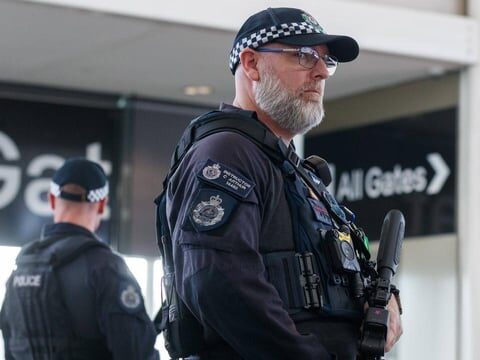
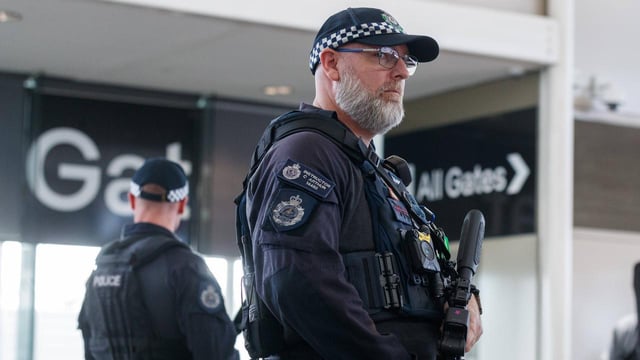
Poland’s current controls include a significant deployment of border security personnel, who will work alongside law enforcement agencies to monitor entry points rigorously. These steps are part of a broader strategy to ensure that potential threats are identified and addressed swiftly before they can escalate.
In conclusion, Poland’s decision to strengthen border security with Germany and Lithuania signals its commitment to ensuring the safety and stability of its citizens. While it may present short-term challenges for travelers and businesses, the government is prioritizing a balanced approach to protecting its national interests while maintaining its obligations within the European cooperative framework.