 Kristina Vankova
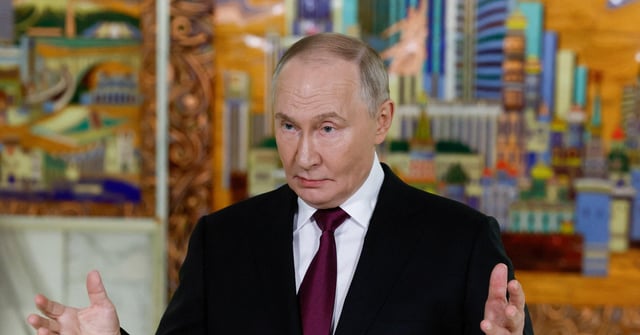
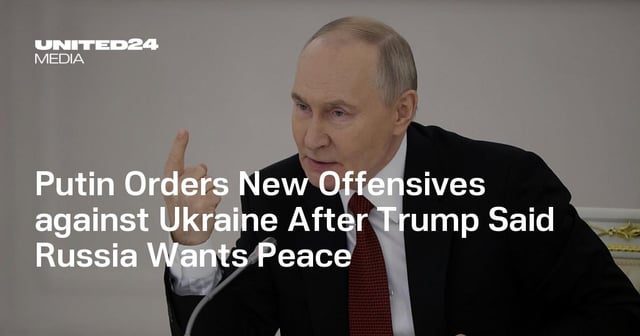
In a strategic maneuver that has escalated tensions in Eastern Europe, Russian President Vladimir Putin has ordered new offensives against Ukraine. This development comes amidst ongoing discussions regarding potential peace talks aimed at resolving the long-standing conflict between the two nations. The renewed aggression raises questions about Russia’s commitment to a peaceful resolution and casts doubt on the success of diplomatic efforts.
Background of the Conflict
The conflict between Russia and Ukraine dates back to 2014, when Russia annexed Crimea following Ukraine’s Euromaidan protests. The annexation sparked widespread international condemnation and led to the imposition of sanctions against Russia by Western countries. Since then, pro-Russian separatists have been engaged in a bitter conflict with Ukrainian forces in the eastern regions of Donetsk and Luhansk, collectively known as the Donbas.
The war has resulted in thousands of deaths and has displaced many more, creating a humanitarian crisis in the region. Despite multiple attempts at ceasefire agreements, including the Minsk Protocols, violence has persisted, making a lasting peace elusive.
Analysis of Putin’s Offensive Orders
The timing of Putin’s order for new offensives against Ukraine is significant. It occurs amidst fragile peace talks led by international mediators aiming to bring both parties to the negotiating table. Analysts suggest that the renewed military operations might be a strategic ploy by Russia to strengthen its position ahead of any future negotiations.
These offensive actions are likely intended to apply pressure on Ukraine, compelling concessions that might not be achievable through diplomatic means alone. This approach, however, runs the risk of backfiring by hardening Ukraine’s stance and further alienating international partners who could play a crucial role in facilitating peace.
The International Reaction
The international community has reacted with concern to the latest developments. NATO and the European Union have both called for de-escalation and a return to diplomatic negotiations. The United States, a staunch ally of Ukraine, has reaffirmed its support, promising additional military aid to help Ukraine defend its territorial integrity.
- NATO Secretary-General Jens Stoltenberg expressed his dismay at Russia’s actions, reiterating the alliance’s readiness to support Ukraine.
- European leaders, including German Chancellor Olaf Scholz and French President Emmanuel Macron, have urged restraint, emphasizing the need for dialogue.
- The United Nations has also voiced its concern, underscoring the humanitarian implications of continued conflict in the region.
Implications for Peace Talks
The renewed hostilities pose a significant challenge to peace talks, which have been underway with the aim of establishing a ceasefire and a political settlement. Both Russia and Ukraine have been involved in indirect negotiations, often facilitated by organizations such as the OSCE.
The current escalation could derail these efforts, leading to an extended period of instability in Eastern Europe. It also complicates efforts by mediators to bring the conflicting parties together, as trust and goodwill—critical prerequisites for successful dialogue—are severely undermined by actions on the ground.
Observers note that any meaningful progress in peace talks will require not only a cessation of hostilities but also confidence-building measures that create the political will necessary for compromise.
As the situation unfolds, it remains to be seen whether Russia will relent and allow diplomatic avenues to prevail or pursue its objectives through military means, potentially at great humanitarian cost.
In the midst of rising tensions, the world watches closely, hopeful that peace can still be achieved through negotiation rather than continued conflict. The stakes are high, and the path forward remains fraught with challenges. What is clear, however, is that the resolution of the conflict will require concerted efforts from all parties involved, supported by a determined international community committed to peace and stability in the region.