 Kristina Vankova
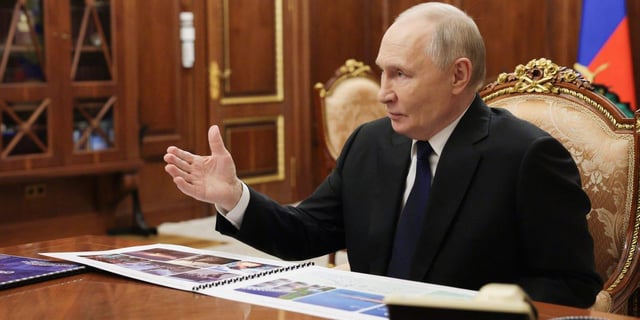
In a move that reflects growing economic pressures, Russian President Vladimir Putin has called for increased taxation measures in response to the country’s slowing economic growth. This directive comes amid concerns over Russia’s economic stability and the potential impacts of an expanding budget deficit. As the nation grapples with these financial challenges, businesses and citizens alike are bracing for the implications of elevated tax burdens.
Economic Slowdown and Fiscal Challenges
Russia’s economy is currently experiencing a period of sluggish growth, which has prompted the government to seek new avenues for revenue generation. The slowdown has been attributed to various factors, including declining global demand for oil—a key export for Russia—and ongoing geopolitical tensions that have led to economic sanctions from Western countries. These sanctions have not only restricted access to international markets but have also stifled foreign investment, further contributing to the economic deceleration.
The government has outlined plans to bolster the national budget by increasing tax rates. This strategy, however, has sparked debate among economists and business leaders regarding the potential for diminishing consumer spending power and the risk of exacerbating the slowdown. Despite these concerns, the Kremlin appears resolute in its commitment to shoring up fiscal resources.
Impact on Businesses and Consumers
The proposed tax hikes are expected to have widespread implications across various sectors of the Russian economy. Businesses, particularly in the manufacturing and retail industries, could face tighter profit margins as they contend with higher operational costs. These increased expenses are likely to be passed down to consumers in the form of elevated prices for goods and services, potentially reducing household purchasing power.
- Increased Operational Costs: Companies may need to adjust their pricing strategies to accommodate higher taxes, impacting overall competitiveness.
- Consumer Spending Power: With inflationary pressures, consumers might become more hesitant to spend, which could stall economic recovery efforts.
Government’s Justification and Opposition
The Russian government has justified the proposed tax increases by emphasizing the necessity of safeguarding the national budget and ensuring the availability of funds for public services. According to government officials, the additional revenue is crucial for maintaining essential infrastructure, healthcare, and welfare programs amid economic uncertainties.
However, critics argue that higher taxes could stifle economic growth further and deter entrepreneurial endeavors in the country. Some opposition leaders caution that the move might disproportionately impact lower-income households, exacerbating income inequality and social tensions.
As Russia navigates this challenging economic landscape, the balance between fiscal prudence and growth promotion remains a critical concern. The full impact of these tax measures will depend on their implementation and the government’s ability to manage the broader economic dynamics at play.
In conclusion, while the call for increased taxes by President Putin is geared toward stabilizing Russia’s fiscal position amidst a slowing economy, the execution of this policy will require careful consideration of its broader implications on businesses, consumers, and the overall economic environment.