 Kristina Vankova
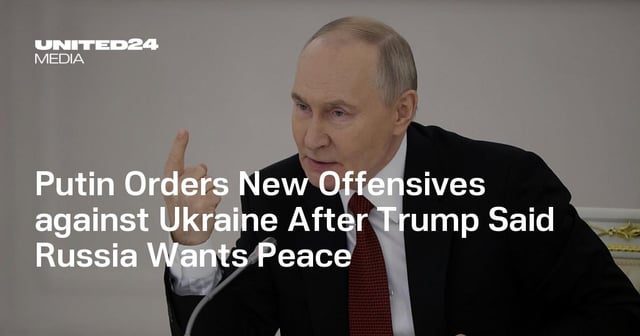
In a significant development within the ongoing Ukraine conflict, Russian President Vladimir Putin recently instructed the Russian military to increase their efforts in the southern regions of Ukraine. This directive marks a pivotal moment in the conflict, which has seen formidable military engagements as both sides vie for strategic advantage.
Increased Military Activity
The order from President Putin underscores a determined push by the Russian government to intensify operations in areas that have been hotbeds of tension and conflict. The southern corridor of Ukraine has long been a focal point for military operations, given its strategic importance due to its proximity to the Black Sea and Crimea. The renewed military push highlights Moscow’s intent to consolidate control over this critical area.
Reports from the frontline suggest an uptick in heavy artillery shelling and troop movements. This escalation comes amid growing international concerns about the humanitarian impact of the conflict, with numerous civilian casualties reported in recent months. The amplification of military activities aligns with shifting battlefront dynamics, as Russian forces attempt to secure key territories.
Strategic Implications
Analysts indicate that the intensified campaign in southern Ukraine serves multiple strategic purposes for Russia. Notably, control over this region could provide a land bridge between mainland Russia and Crimea, a peninsula annexed by Russia in 2014. Furthermore, the area’s economic value cannot be overlooked, with its ample agricultural production and pivotal trade routes. Secure control of the region could potentially bolster Russia’s geopolitical and economic foothold in Eastern Europe.
The Kremlin’s strategy appears to be focused on strengthening logistical supply lines and gaining control over crucial infrastructure. By doing so, Russia aims to establish a stronger negotiating position in any potential diplomatic talks regarding the broader conflict.
International Reactions
The directive for increased Russian military engagement has sparked a chorus of responses from global leaders. Western nations have condemned the move, citing it as a violation of international law and an escalation that jeopardizes peace efforts. Sanctions have been a commonly employed tool by NATO and EU countries in an attempt to pressure Russia into ceasing its aggressive maneuvers.
- U.S. officials have called for an immediate cessation of hostilities and emphasized the need for diplomatic resolutions.
- European countries have reiterated their support for Ukraine, providing military aid and insisting on the withdrawal of Russian forces.
- The United Nations has expressed concern over the escalating humanitarian crisis, urging all parties to prioritize civilian protection.
Humanitarian Concerns
Amid the escalating military activities, the civilian population in southern Ukraine faces dire conditions. Reports from aid organizations on the ground indicate shortages of essential goods, including food, water, and medical supplies. Additionally, the infrastructure damage has resulted in disruptions to electricity and communication services, further complicating efforts for aid delivery.
The wave of conflict has forced thousands to flee their homes, seeking refuge in safer areas or neighboring countries. The humanitarian crisis has prompted international humanitarian agencies to call for ceasefire agreements to allow for the safe passage of civilians and the delivery of critical assistance.
The global community faces mounting pressure to address these urgent needs, with humanitarian corridors and negotiations between the conflicting sides being pivotal to alleviating civilian suffering.
The complex situation in southern Ukraine remains fluid, with geopolitical stakes and humanitarian concerns intertwining. As military operations intensify, the international community watches closely, balancing efforts to mediate peace with the immediate need to provide humanitarian support to those trapped in the conflict.