 Kristina Vankova
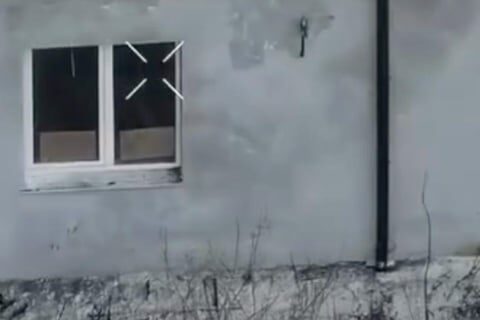
In a curious turn of events, the much-speculated drone incident near Russian President Vladimir Putin’s retreat in Valdai has been downplayed by local residents. Earlier reports suggested heightened security concerns following alleged drone activity in the area. However, the residents have categorically denied witnessing any explosions or unusual buzzing, calling into question the veracity of the initial claims.
Conflicting Reports
The alleged drone activity reportedly occurred near Valdai, a picturesque town in Russia’s Novgorod Oblast, where President Putin’s secluded residence is tucked away amidst dense forests and serene lakes. The initial reports had sparked concern and speculation about potential security threats in the region, especially given the tense geopolitical climate.
However, interviews with residents present a starkly different narrative. Many locals claim there were no unusual disturbances or security breaches in recent days. A long-time resident mentioned, “We’ve been living here for years, and believe me, anything out of the ordinary is immediately noted. There was nothing unusual.” This sentiment echoes across the community, with many questioning the validity of the initial reports.
Maintaining Security in Sensitive Areas
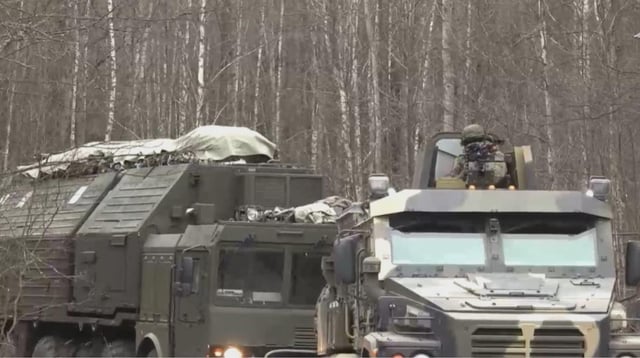
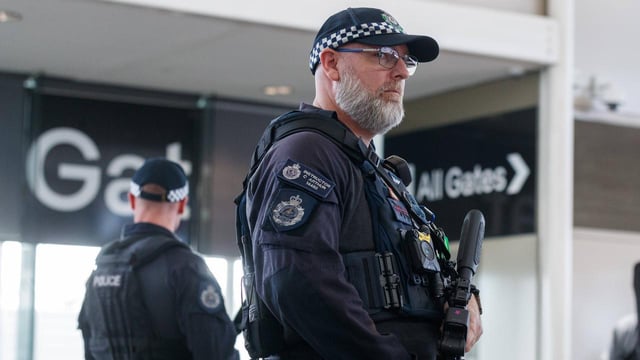
Security around the area is typically discreet yet robust, given its strategic importance. Putin’s Valdai home is not only a symbol of power but also a site of significant political importance. The area is regularly monitored by security agencies to prevent any security breaches that could compromise the safety of the Russian president or the sensitivity of governmental affairs.
In the wake of the purported drone event, security personnel have intensified efforts to reassure the public. Patrols have increased in frequency, and checks have become more thorough. A security officer, requesting anonymity, confirmed that “standard operating procedures are being strictly followed to ensure the safety of the area. Any potential threat is investigated thoroughly.”
Implications for Future Security Protocols
The incident, despite being largely dispelled by local testimonies, raises pertinent questions about security measures and public perception. Drones, although increasingly used commercially, present unique challenges when it comes to securing sensitive areas. Their ability to bypass traditional security barriers makes them a potential tool for espionage or mischief.
This incident could lead to a reevaluation of current protocols concerning drone activity near high-profile locations. Enhanced surveillance systems, including advanced anti-drone technology and improved radar systems, could be employed to ensure airspace around such critical areas remains secure.
For now, the villagers appear unfazed by the security scare, maintaining their daily routines with the usual small-town resilience. As the dust settles, the incident highlights the delicate balance between maintaining public security and avoiding unnecessary panic prompted by unverified reports.
The broader implications could influence how international authorities approach the regulation and monitoring of drone usage, particularly near sensitive sites. As technology continues to evolve, so must the strategies to manage associated risks, ensuring a balance between innovation and security.
With the dismissals from the residents, the narrative surrounding the drone incident near Valdai appears to have been significantly tampered. Whether it was a false alarm or precautionary rumor, the emphasis remains on securing vital national interests while maintaining public trust. As the world continues to grapple with the rapid developments in drone technology, occurrences like these serve as poignant reminders of the challenges that accompany technological advancements.