 Kristina Vankova
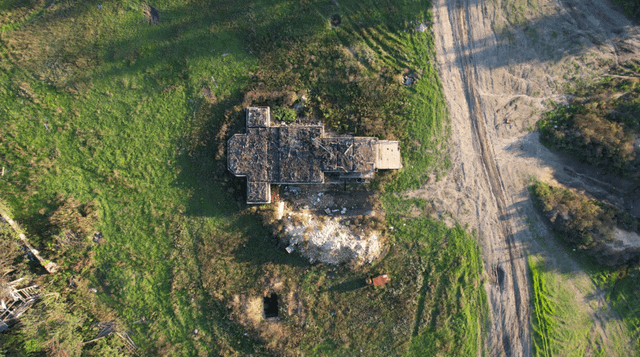
In a shocking revelation, recent reports indicate that over 1,500 cultural heritage sites have suffered significant damage amid ongoing conflicts. The city of Kharkiv, in particular, stands out as one of the most profoundly affected regions, with numerous historical locations compromised. The ramifications of these actions extend beyond mere physical destruction, encompassing a profound cultural and historical impact.
Significant Heritage Loss in Kharkiv
Kharkiv, Ukraine’s second-largest city, has become emblematic of the extensive destruction wrought upon cultural landmarks. Historical buildings, museums, and churches, which stand as testaments to Eastern Europe’s rich past, are now facing devastation. The damage not only erases tangible history but also impacts the local and national identity linked to these sites.
Many of these sites hold deep historical significance, encompassing eras from the Byzantine to the Soviet and modern Ukrainian periods. The cultural heritage in Kharkiv represents a tapestry of architectural and historical influences, making the losses even more poignant for residents and historians alike.
Broader Impact Across Ukraine
Beyond Kharkiv, other regions of Ukraine have also been severely impacted. Reports highlight that the sweeping destruction has targeted more than just individual monuments and buildings. The current conflicts have left a broader imprint on Ukraine’s cultural landscape, affecting educational outreach, cultural preservation programs, and tourism.
Destruction of Iconic Churches
Among the most gut-wrenching damages are those inflicted on Ukraine’s iconic churches, known for their architectural beauty and historical importance. Their destruction symbolizes a direct assault on cultural and religious identities, with some churches having stood for centuries.
- Many of these churches feature unique Eastern Orthodox architectural styles.
- Their artworks, frescoes, and religious artifacts are considered irreplaceable.
- Losses include both architectural damage and the looting of precious religious artifacts.
Impacts on Museums and Cultural Institutions
Museums have not been spared, suffering both direct attacks and collateral damage. These institutions are the custodians of thousands of artifacts and artworks, many of which are now at risk or have already been destroyed. The inability to safeguard and preserve cultural items during such conflicts showcases a devastating gap in heritage protection methodologies.
International Reaction and Calls for Preservation
The international community has expressed deep concern over these developments. Governments, NGOs, and global cultural organizations are calling for measures to protect and preserve what remains of Ukraine’s cultural heritage. These calls highlight the need for robust international agreements and actions to prevent further losses.
There is a consensus among cultural heritage experts that immediate action is necessary. This includes both short-term interventions and long-term strategies to salvage and restore damaged sites. The coordination among international bodies could play a crucial role in mitigating the effects of these losses.
Experts emphasize the necessity of ongoing documentation and digital archiving efforts which could provide a virtual record of sites at risk. Such archives could serve as invaluable resources for future restoration projects.
In conclusion, the damage to over 1,500 cultural heritage sites across Ukraine, with Kharkiv notably impacted, is a sobering reminder of the fragility of our shared history in times of conflict. This cultural destruction not only affects the present but reverberates through future generations, underscoring an urgent need for effective preservation and protection strategies worldwide. The resilience of Ukraine’s cultural identity amidst such adversity remains an inspiring testament to the strength of human spirit and history.