 Kristina Vankova
In a dramatic escalation of the ongoing conflict in the Gulf region, Saudi Arabia launched a series of airstrikes targeting a strategic port in Yemen. Riyadh insists these operations are necessary to halt what it alleges is the illicit trafficking of weapons into Yemeni territory, a claim that has heightened existing tensions between the two countries.
Saudi Arabia’s Military Action
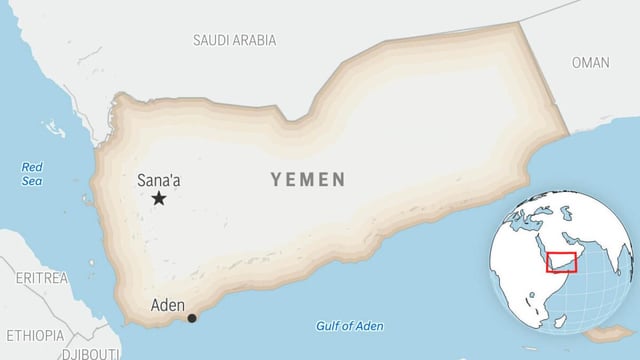
The airstrikes, conducted overnight, concentrated on the port city of Al-Hudaydah, a crucial hub for humanitarian aid and commercial shipments entering Yemen. Saudi officials assert that the bombardment was specifically aimed at disrupting weapon smuggling routes allegedly utilized by the Houthis, the predominant insurgent group in Yemen. The Saudi Ministry of Defense released a statement claiming that intelligence reports had indicated a growing arsenal of arms entering Yemen through this port, which they believe are being supplied illicitly by external state actors.
Yemen’s Response and International Reactions
Yemen’s government, already fragile due to years of civil war, condemned the strikes, stating that they would exacerbate the humanitarian crisis facing millions of Yemenis. Officials from the Yemeni government in exile argue that such actions undermine peace efforts and exacerbate the humanitarian catastrophes unfolding in the region. The bombardment has drawn criticism from international organizations as well, who warn that the destruction of port facilities could lead to severe shortages of essential goods and further complicate aid deliveries.
Global Concerns and Diplomatic Repercussions
The United Nations and various humanitarian organizations have voiced deep concern over the military action, with calls for all parties to return to dialogue and cease violent activities. Some international diplomats fear that continued military aggression could lead to broader regional instability, especially if other nations decide to intervene. The UN has urged Saudi Arabia to allow for thorough investigations into the alleged smuggling routes prior to taking unilateral military action.
Background of the Conflict
The conflict in Yemen, which began as a civil war in 2014, has evolved into a complex proxy war involving regional and international powers. The Saudi-led coalition has been actively involved in military operations since 2015, following a request for intervention by Yemen’s internationally recognized government. Despite numerous efforts at peace talks, the conflict persists, fueled in part by allegations that Iran is supporting the Houthi rebels with weapons and training. Tehran categorically denies these claims, labeling them as unfounded and politically motivated.
The latest airstrikes may further complicate peace negotiations, which have seen intermittent success. Previous ceasefire agreements have often been short-lived, collapsing amid mutual accusations of violations and distrust between the warring parties. Analysts debate whether increased international diplomatic pressure could resume stalled negotiations, though skepticism remains high.
As the dust settles on the aftermath of the airstrikes, it is clear that the path to peace in Yemen remains fraught with complexity and geopolitical maneuvering. The world watches as diplomatic channels are tested and the quest for a lasting resolution continues amidst deepening regional tensions.