 Kristina Vankova
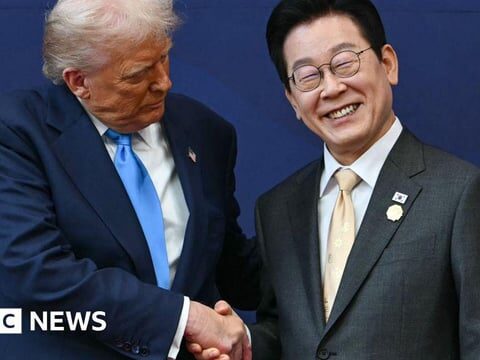
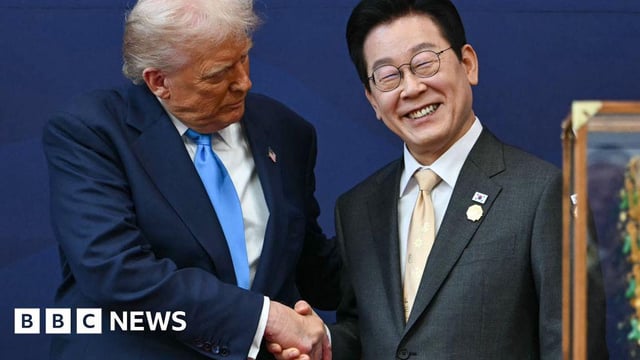
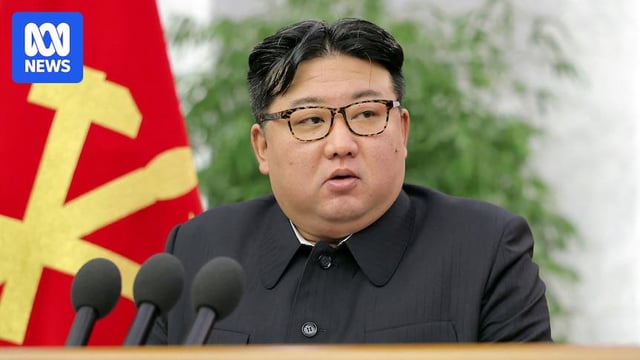
In a notable shift in geopolitical strategy, the United States is increasingly looking to South Korea to take a more prominent role in monitoring and managing the situation in North Korea. This move underscores a significant evolution in the diplomatic and military responsibilities shared between Washington and Seoul, highlighting South Korea’s growing influence in regional security affairs.
Strengthening Regional Security Ties
Historically, the United States has been a dominant force in maintaining stability on the Korean Peninsula. However, recent developments suggest a strategic pivot towards empowering South Korea to play a larger role in North Korean oversight. This shift not only reflects the mutual trust between the two nations but also acknowledges South Korea’s geographical proximity and vested interest in maintaining peace in the region.
The U.S. and South Korea have enjoyed a robust military alliance since the Korean War, with joint military exercises and shared intelligence becoming cornerstones of their partnership. This collaboration has provided a strong foundation for South Korea to take on greater responsibilities in addressing the challenges posed by North Korea.
Enhancing South Korea’s Capabilities
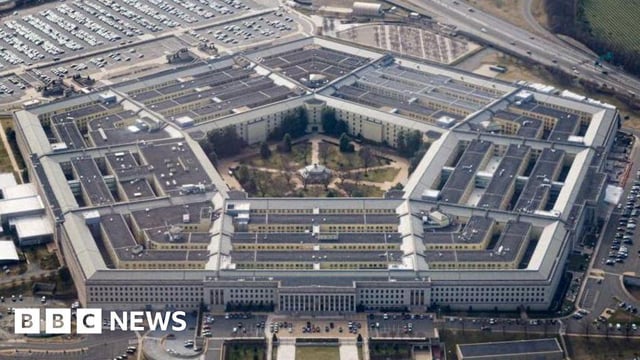
As part of this strategic evolution, both countries are working on enhancing South Korea’s military capabilities. The U.S. has been instrumental in providing advanced military technology, training, and logistical support to South Korea. This support is aimed at bolstering South Korea’s defensive and offensive capabilities, ensuring that it can effectively respond to any potential threats from the North.
Furthermore, diplomatic channels between the U.S. and South Korea remain active, facilitating a continuous exchange of intelligence and security assessments. This cooperation is crucial in formulating a unified approach towards dealing with provocations and potential aggression by North Korea.
The Broader Geopolitical Implications
This strategic shift is not just a bilateral matter between the U.S. and South Korea; it holds significant implications for the broader geopolitical landscape in East Asia. By encouraging South Korea to take a more assertive role, the U.S. is signaling its intent to redistribute some of the regional security burdens in an effort to balance its global military commitments.
China and Japan, key players in the region, are closely monitoring these developments. China’s economic and strategic interests in North Korea mean that any changes in the status quo could affect Beijing’s influence in the region. Meanwhile, Japan, a critical ally of both the U.S. and South Korea, is supportive of any actions that can contribute to regional stability.
Amid these nuances, South Korea is emerging as a pivotal player, not just on the Korean Peninsula, but also in the broader context of East Asian security. Its increased role is a testament to its diplomatic maturity and its strategic importance in a rapidly changing global order.
As South Korea steps up to this new role, the international community will be watching closely to see how it navigates its enhanced responsibilities. The success of this strategic shift will depend on the continued cooperation between the U.S. and South Korea, along with the support and engagement of other regional stakeholders.
This development marks a significant chapter in U.S.-South Korea relations and will likely shape the security dynamics of the Korean Peninsula for years to come. The partnership between these two countries is crucial to ensuring peace and stability in one of the world’s most volatile regions.