 Kristina Vankova
South Korea is experiencing a profound shift in its educational landscape as the country faces a wave of school closures due to declining student enrollment. This phenomenon has become a critical topic of discussion and concern, reflecting broader demographic challenges and societal changes within the nation.
Challenges of a Shrinking Student Population
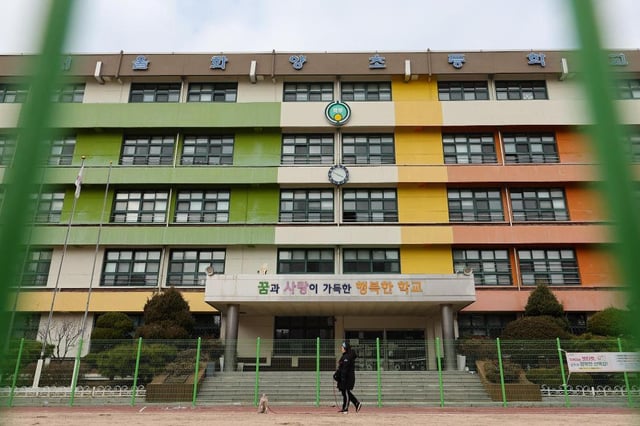
The closure of more than 4,000 schools across South Korea signals a significant impact on the education sector. The root cause of this trend is the declining birth rate, a demographic issue that South Korea has been grappling with for years. As fewer children are born, the number of students entering schools decreases, leading to underutilized educational facilities and eventually, closures.
This decrease in student numbers is causing a ripple effect throughout the education system. Schools that remain open are experiencing reduced class sizes, which, while potentially beneficial for individualized attention, also result in logistical and financial challenges. Teachers and administrative staff face uncertainties regarding their employment, and communities struggle with the loss of what often serves as a central institution and social hub.
Government Response and Educational Strategies
The South Korean government has been forced to implement strategic responses to mitigate the impact of these closures. Policies and initiatives aimed at increasing the birth rate, while part of a long-term solution, have not yet had the desired effect on school enrollment numbers. In the short term, the government is exploring ways to repurpose vacant school buildings and provide support for affected staff.
One strategy includes consolidating resources by merging smaller schools, optimizing facilities, and redistributing teaching talent where it is needed most. Additionally, there is an emphasis on enhancing educational offerings to attract and retain students, such as integrating advanced technology and adapting curricula to meet the evolving needs of the labor market.
Community and Social Implications
Beyond the practical implications, school closures bear significant social consequences. Schools often act as community centers, fostering interactions beyond academics, such as cultural events, sports, and other local gatherings. When a school shuts its doors, these activities are either discontinued or need relocation, affecting community cohesion.
Rural areas are particularly hard-hit, as these communities tend to have fewer children and lower birth rates compared to urban centers. The closure of schools in these regions can exacerbate feelings of isolation among residents and diminish opportunities for social interaction and communal growth.
Looking Toward the Future
Addressing the challenges of declining student enrollment requires a multifaceted approach that includes both immediate and long-term strategies. Policymakers are tasked with finding innovative solutions that go beyond educational adjustments, encompassing broader societal issues such as employment opportunities, childcare support, and housing policies to encourage family growth.
In the meantime, the education sector is adapting to this new norm, striving to turn challenges into opportunities for improving the quality and accessibility of education in South Korea. As the nation moves forward, it will be imperative to closely monitor and respond to the evolving needs of students, educators, and communities.
Ultimately, how South Korea navigates these challenges could provide valuable lessons for other countries facing similar demographic trends and educational dilemmas.