 Kristina Vankova
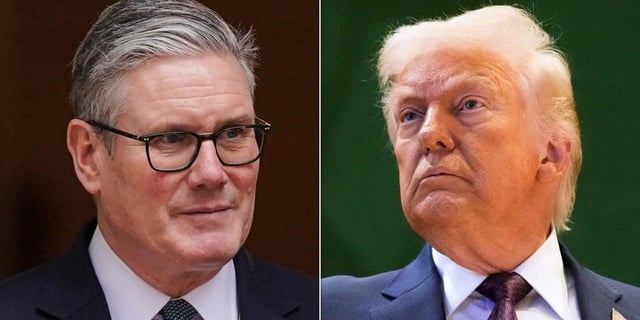
In a recent development that shook international relations, Sir Keir Starmer, leader of the UK’s Labour Party, has publicly urged former US President Donald Trump to tender an apology for his controversial statements regarding NATO’s role in Afghanistan. Starmer’s call comes amid heightened tensions following remarks made by Trump that described NATO’s Afghanistan mission as a “frankly embarrassing failure.”
The backdrop of these remarks is rooted in the turbulent history of the Western military intervention in Afghanistan, where allied forces, led by the United States and including NATO members, sought to dismantle terrorist networks and stabilize the region. Following America’s withdrawal, the regional dynamics have shifted significantly, prompting introspection and responsibility discussions among global leaders.
Starmer’s Firm Stand on Diplomatic Decorum
Starmer’s approach emphasizes the need for responsible rhetoric among global figures, especially those with substantial influence like Trump. The Labour leader argued that derogatory comments undermine the sacrifices made by soldiers from various countries, including the UK, who served under challenging circumstances.
With the political landscape rife with nationalist and isolationist sentiments, particularly in the US and parts of Europe, Starmer’s insistence on an apology is indicative of broader concerns about maintaining alliances. He highlighted the importance of solidarity among NATO members, underscoring that divisive rhetoric could weaken collective security efforts.
The Ripple Effects of Trump’s Comments
The former President’s statements have not only been met with backlash across the pond but have also sparked reactions from NATO allies. Several current and former officials have expressed concerns about the potential for such remarks to cause rifts within the alliance.
Beyond diplomatic circles, Trump’s words have resonated with veterans and families personally affected by the Afghanistan mission. Many see the comments as dismissive of the personal sacrifices made during the years-long campaign, adding a deeply emotional layer to the political discourse.
Public Opinion and Political Implications
- The American public remains divided on issues related to foreign policy and military engagement, reflecting broader ideological cleavages that Trump’s comments have further accentuated.
- In the UK, Starmer’s response positions him as a defender of international cooperation, appealing to voters who support multilateralism.
- This incident serves as a touchstone for broader debates on NATO’s role and efficacy in global security strategies.
A Look Back: NATO’s Involvement in Afghanistan
NATO’s mission in Afghanistan was a monumental task initiated in response to the 9/11 terrorist attacks, marking one of the longest and most complicated military engagements in history. This mission aimed to dismantle al-Qaeda and prevent future terrorist safe havens. While strategic victories were achieved, the mission also faced significant hurdles, including political, logistical, and cultural challenges in a deeply complex region.
In the years following NATO’s involvement, the alliance publicly debated its strategies and desire for a sustainable endgame. This included training Afghan defense forces and supporting civil society initiatives to build resilience against extremism.
However, the eventual withdrawal saw a rapid deterioration of the stability efforts, culminating in the Taliban’s swift return to power, thereby sparking intense international discussions on the implications for regional and global security.
Reflecting on Lessons Learned
The discourse surrounding NATO’s role in Afghanistan has prompted current and former allies to reflect on critical lessons learned. Among these lessons is the necessity for coherent, long-term planning in military interventions and post-conflict rebuilding efforts.
The challenge of withdrawing troops and aiding stabilization while ensuring that gains are not lost has become a crucial point of consideration for future missions. Starmer’s call for Trump’s apology is part of this broader narrative, emphasizing accountability and the need for respectful dialogue that honors collective sacrifices.
As international relations continue to evolve, the ability to learn from past conflicts and embrace cooperative strategies remain pillars for addressing contemporary global threats. The narrative surrounding NATO and Trump’s remarks are illustrative of the broader efforts to mediate differences and bolster alliances in an increasingly interconnected world.
Ultimately, the discourse initiated by Starmer highlights the critical nature of diplomacy and strategic communication in a world where historical perspectives and future security align on razor-thin margins.