 Kristina Vankova
The ongoing strategic alliance between the United States, Denmark, and NATO has been a pivotal force in maintaining global stability, particularly in times of heightened global tensions. As the geopolitical landscape continues to evolve, the deep-rooted connections and mutual commitments among these partners underscore their indispensable role in upholding worldwide security frameworks.
A Historical Perspective on US-Denmark Relations
Denmark’s alliance with the United States dates back to World War II, cementing a partnership built on shared values and mutual defense commitments. The historic ties were solidified as both countries stood shoulder-to-shoulder during moments of international crises, underscoring a bond that has withstood the test of time. With Denmark’s significant contributions during the Cold War and subsequent participation in various NATO-led missions, this partnership has continually evolved to address contemporary security challenges.
The Danish involvement in international peacekeeping missions and its proactive stance within NATO have exemplified its commitment to global peace and security. Denmark’s strategic geopolitical position also allows the US to access critical infrastructure and resources, which are vital for maintaining a balance of power in the region.
The Role of NATO in Strengthening Alliances
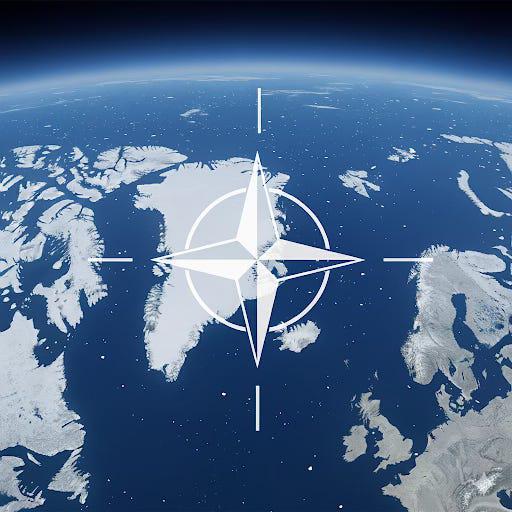
NATO, formed in 1949, has been a cornerstone of transatlantic security architecture, fostering cooperation between North America and European countries. The inclusion of Denmark in NATO enhances its legitimacy and operational capacity, allowing for coordinated responses to security threats. NATO’s collective defense principle, enshrined in Article 5, ensures that an attack on one member is considered an attack on all, thereby strengthening the deterrence against potential aggressors.
The recent geopolitical developments, including escalating tensions in Eastern Europe and the threats posed by cybersecurity breaches, underscore NATO’s role in safeguarding member states’ interests. NATO’s strategic frameworks are designed to tackle a wide array of threats, from conventional military confrontations to emerging non-traditional security challenges. Denmark’s active contribution to NATO initiatives, particularly in enhancing cybersecurity and intelligence-sharing capabilities, bolsters the alliance’s overall readiness and effectiveness.
Strategic Implications and Future Outlook
The entwined relationship between the US, Denmark, and NATO holds profound strategic implications for global security paradigms. As the world grapples with emerging threats like cyber warfare and global terrorism, collaboration among these allies becomes ever more critical. The US benefits from Denmark’s strategic location, which provides a pivotal axis point for monitoring and responding to activities in the North Atlantic and Arctic regions.
Moreover, the ongoing dialogues within the corridors of NATO reflect a commitment to adapt to new security challenges by advocating for enhanced military readiness and resilience against unconventional threats. This cooperative spirit is crucial to counteract regional instabilities and contribute to broader efforts aimed at fostering international peace.
Looking ahead, the US and Denmark, alongside NATO, are expected to play a leading role in formulating strategies that address evolving global security issues. This includes expanding collaborative efforts in cybersecurity, climate change-induced conflicts, and peacekeeping missions. As the alliance continues to adapt to new realities, its sustained relevance in global geopolitics remains a pivotal factor in maintaining peace and stability worldwide.
The integration of Denmark’s perspectives within NATO and US strategies will continue to shape a future where these alliances reflect the complexities of modern threats. Strengthened by shared values and a dedication to common objectives, the US, Denmark, and NATO are poised to continue their concerted efforts in safeguarding global stability and security for the years to come.