

Introduction: A Glimpse into Czech Culinary Heritage
The Czech Republic, a land steeped in history and rich cultural traditions, is also home to some of Europe’s most delightful and comforting foods. Among these culinary treasures is the kolache (koláče), a pastry that embodies the essence of Czech heritage. This beloved pastry, which has been enjoyed by generations, is not merely a sweet treat but a symbol of celebration, community, and familial warmth. In this article, we will explore the origins, preparation, cultural significance, and the modern-day relevance of this iconic Czech dessert.

The Origins of Kolache (Koláče): From Humble Beginnings to Cultural Icon
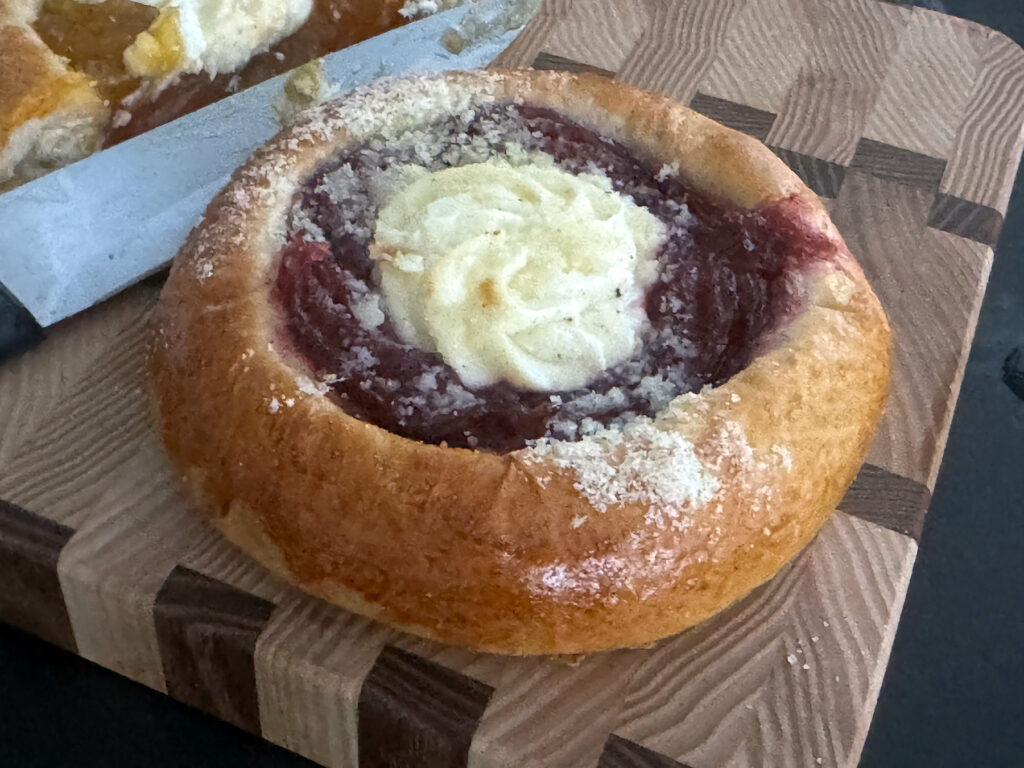
Kolache (koláče) have humble beginnings in the agricultural heartlands of Central Europe. Originally, they were simple bread-like pastries filled with locally sourced ingredients like fruit or cheese. Over centuries, as the Czech lands encountered various cultural influences, these pastries evolved into more elaborate and sweetened versions, becoming an essential part of Czech festive traditions.
Traditionally, kolache (koláče) were associated with significant life events—weddings, christenings, and harvest festivals. The pastries were not just food but symbols of life’s cyclical nature, often shaped in round forms to represent the continuity of life. The fillings, which include poppy seeds, quark (a type of fresh cheese), and fruit preserves, reflect the agricultural wealth of the Czech countryside.
The Traditional Czech Kolache (Koláče): A Recipe Passed Through Generations
Ingredients
To create the traditional yeast-raised kolache (koláče), you will need the following ingredients:
- Flour: A blend of all-purpose and fine wheat flour is ideal for the dough.
- Yeast: Fresh yeast is preferred for its authentic rise, though dry yeast is a convenient alternative.
- Milk: Warm milk helps activate the yeast and lends the dough a soft, tender texture.
- Butter: Adds richness and a delicate flavor to the dough.
- Sugar: Used in both the dough and the fillings to create the right balance of sweetness.
- Eggs: Contribute to the dough’s structure and provide a rich taste.
- Salt: Enhances the overall flavor.
- Fillings: Traditional options include poppy seed paste, sweetened quark, and fruit preserves, often made from plums or apricots.

The Dough: A Labor of Love
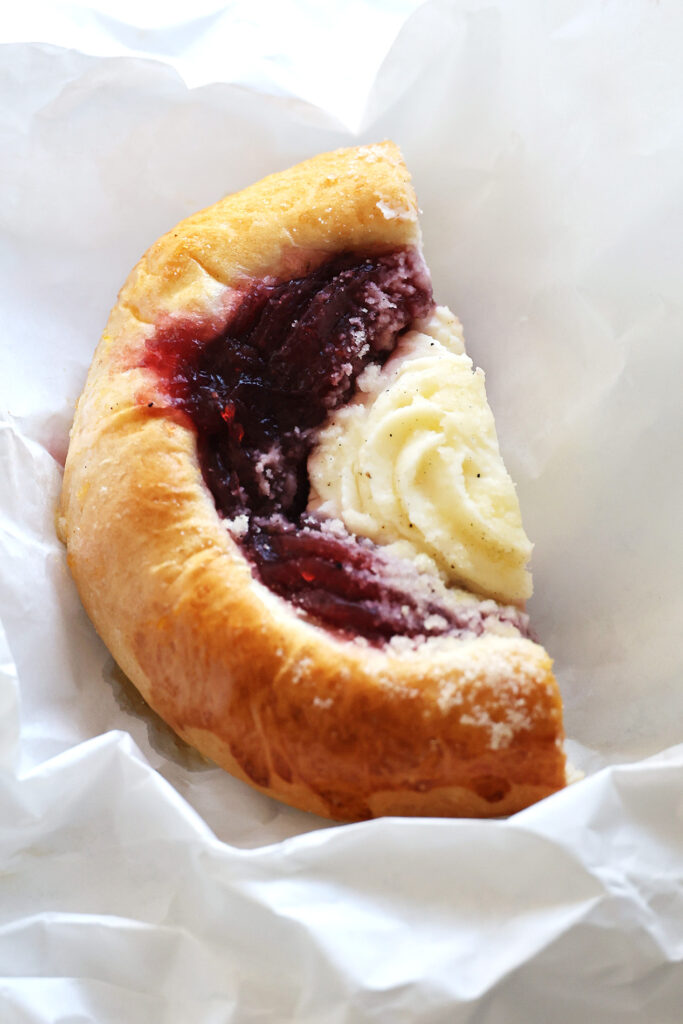
Creating the perfect dough for kolache (koláče) is an art form. It begins with the careful activation of yeast in warm milk, a step that requires precision to ensure the milk’s temperature is just right—too hot, and the yeast will die; too cold, and it won’t activate properly. Once the yeast mixture is bubbly, it is combined with flour, sugar, eggs, and melted butter to form a soft, elastic dough.
Kneading the dough by hand is a crucial step, as it helps develop the gluten, giving the kolache (koláče) their characteristic airy texture. After kneading, the dough is left to rise in a warm place until it doubles in size, typically taking about 1 to 2 hours.
Shaping and Filling: The Creative Process
Once the dough has risen, it is divided into small portions, each shaped into a round ball and then flattened into a disc. A well is created in the center of each disc, which is then filled with a generous spoonful of the chosen filling. Some variations of kolache (koláče) include a crumb topping made from butter, flour, and sugar, adding a delightful crunch to the pastry.
The kolache (koláče) are left to rise a second time before being baked to golden perfection. The aroma of freshly baked kolache (koláče), with their sweet fillings bubbling and their golden crusts glistening, is a sensory experience that is both nostalgic and comforting.
Regional Variations of Kolache (Koláče)
While the round, single-filling kolache (koláče) is the most common, there are numerous regional variations:
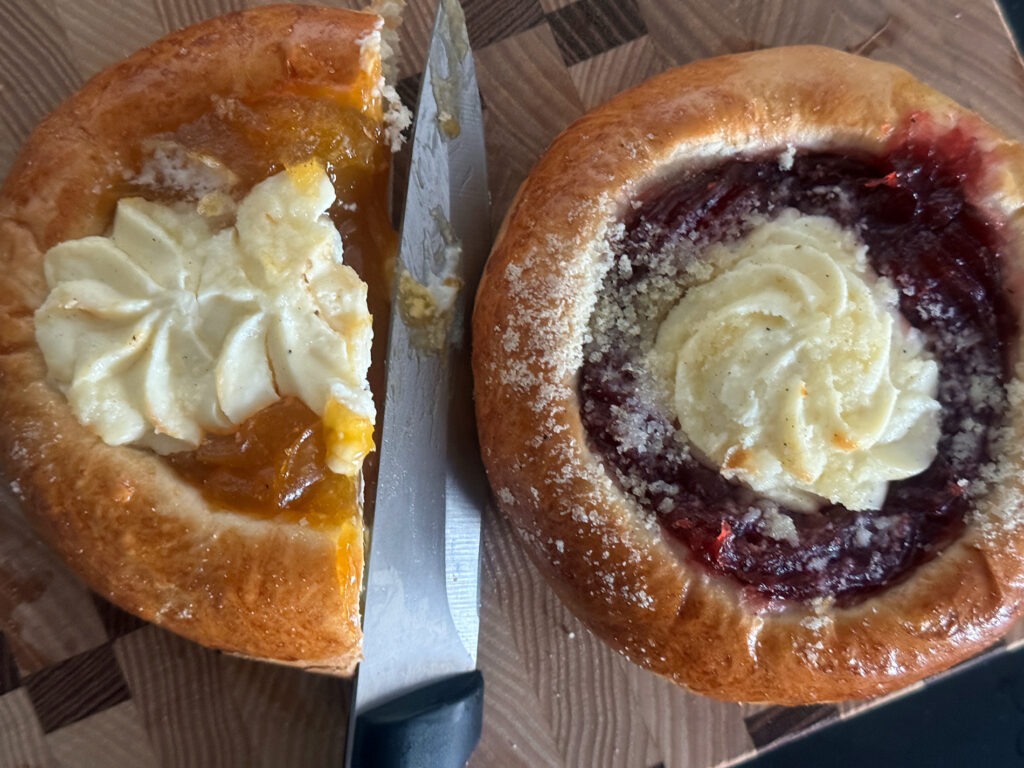
- Moravian Kolache (Koláče): These are often larger and feature multiple fillings arranged in a decorative pattern, showcasing the creativity of the baker.
- Pražské Kolache (Pražské Koláče): Known for their buttery dough and crumb topping, these are smaller and more delicate than other versions.
- Czech-American Kolache (Koláče): Immigrants to the United States brought their kolache (koláče) recipes with them, and over time, these pastries evolved to include new fillings such as cream cheese or contemporary fruit combinations.
The Cultural Significance of Kolache (Koláče): More Than Just a Pastry
Kolache (koláče) have always been more than just a sweet treat in Czech culture. They are symbols of hospitality, community, and celebration. Traditionally, kolache (koláče) were made in large quantities for special occasions like weddings, where they were shared with family, friends, and neighbors as a gesture of goodwill. The process of making kolache (koláče) was often a communal activity, with entire families or villages coming together to prepare, bake, and decorate these beloved pastries.
In many Czech villages, it was customary to bake hundreds of kolache (koláče) for a single event, such as a wedding or a christening, ensuring that there would be enough to go around. This practice highlighted the importance of generosity and hospitality in Czech culture.
Kolache (koláče) also play a significant role in various Czech holidays and festivals. During Easter, a special type of kolache (koláče) called “jidáše” is made, which is shaped like a figure-eight or twisted rope, symbolizing the rope used to bind Jesus. These are typically glazed with honey and are a part of the traditional Easter breakfast.
During harvest festivals, kolache (koláče) are made to celebrate the end of the harvest season. The round shape of the kolache (koláče), reminiscent of the sun, symbolizes the sun’s life-giving power and the cyclical nature of the seasons. These festivals are a time of joy and gratitude, and kolache (koláče) play a central role in the celebrations.
Kolache (Koláče) in Modern Times: A Tradition Reborn
While the tradition of making kolache (koláče) at home has waned in modern times due to the convenience of store-bought pastries, there has been a resurgence of interest in traditional Czech baking. Many Czechs are rediscovering the joy of making kolache (koláče) from scratch, using recipes passed down from their grandparents or found in old cookbooks.
This renewed interest in traditional baking is part of a broader trend in the Czech Republic, where there is a growing appreciation for artisanal foods and a return to traditional methods of food preparation. Today, many bakeries across the country offer freshly made kolache (koláče), and these pastries are often featured in food festivals and farmers’ markets, where visitors can sample a variety of fillings and styles.
Beyond the Czech Republic, kolache (koláče) have become popular in regions with significant Czech immigrant populations, such as Texas and Nebraska in the United States. In these areas, kolache (koláče) have been embraced as a local specialty, with bakeries and restaurants offering their own unique takes on the classic recipe.

The Joy of Baking Kolache (Koláče) at Home
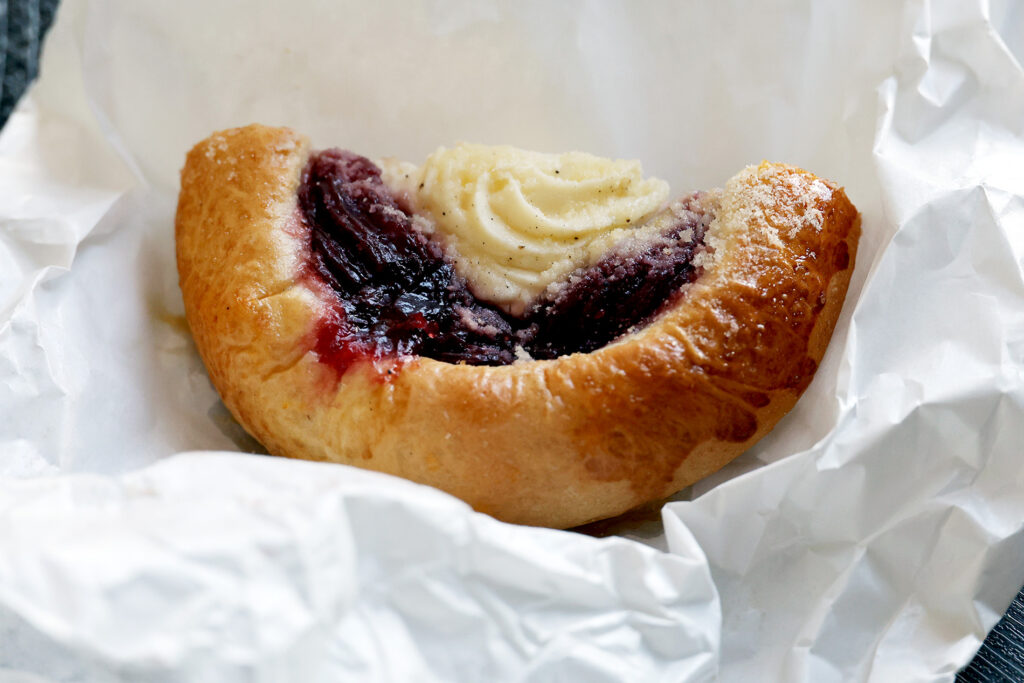
For those who want to experience the authentic taste of Czech kolache (koláče), there’s nothing quite like making them at home. The process of kneading the dough, watching it rise, and filling each kolache (koláče) with care is a rewarding experience that connects you to a long tradition of Czech baking.
Here is a simple recipe to try at home:
Ingredients
- 500g all-purpose flour
- 25g fresh yeast (or 7g dry yeast)
- 250ml warm milk
- 100g sugar
- 100g melted butter
- 2 eggs
- Pinch of salt
- Fillings of your choice (poppy seed paste, quark, fruit preserves)
- Optional: crumble topping (butter, flour, sugar)
Instructions
- Activate the yeast: In a small bowl, dissolve the yeast in the warm milk with a teaspoon of sugar. Let it sit for 10 minutes until frothy.
- Make the dough: In a large mixing bowl, combine the flour, sugar, and salt. Add the activated yeast mixture, melted butter, and eggs. Mix until a dough forms, then knead until smooth and elastic. Cover the dough with a cloth and let it rise in a warm place for 1-2 hours, or until doubled in size.
- Shape the kolache (koláče): Punch down the dough and divide it into small balls. Flatten each ball into a disc and press a well in the center. Fill the well with your chosen filling.
- Bake: Place the kolache (koláče) on a baking sheet lined with parchment paper. Let them rise for 20 minutes while you preheat your oven to 180°C (350°F). Bake for 15-20 minutes, or until golden brown.
- Serve: Enjoy your homemade kolache (koláče) warm, with a dusting of powdered sugar if desired.
Preserving a Sweet Legacy
Czech kolache (koláče) are more than just pastries—they are a delicious embodiment of Czech culture and history, connecting generations through their preparation, sharing, and enjoyment. Whether made for festive celebrations, special occasions, or simply as a sweet treat, kolache (koláče) symbolize warmth, hospitality, and the rich traditions of the Czech Republic. As modern interest in traditional baking continues to grow, these delightful pastries are finding new life in kitchens around the world, ensuring that this sweet legacy is preserved and cherished for future generations.