 Vanda Svobodova
In “Greek Passion” by Bohuslav Martinu, a classic question is raised: what will the citizens do if some migrants seek safety in an unfamiliar community? The opera examines the tale that was gripping in the middle of the 20th century as well as today. The community of Lycovrissi is upended when a group of immigrants seek refuge there. May the villagers reaffirm their Christian virtues or engage in selfish behavior?
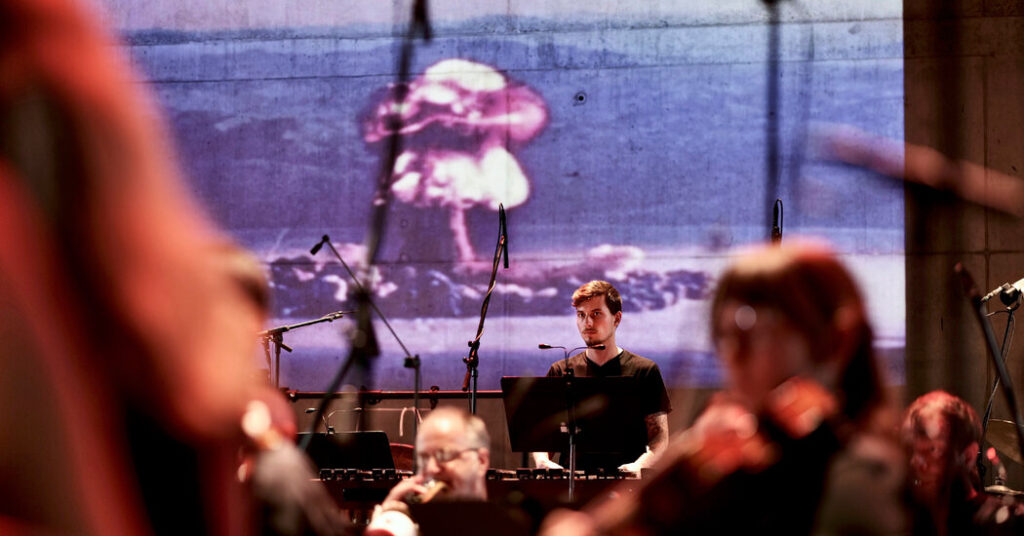
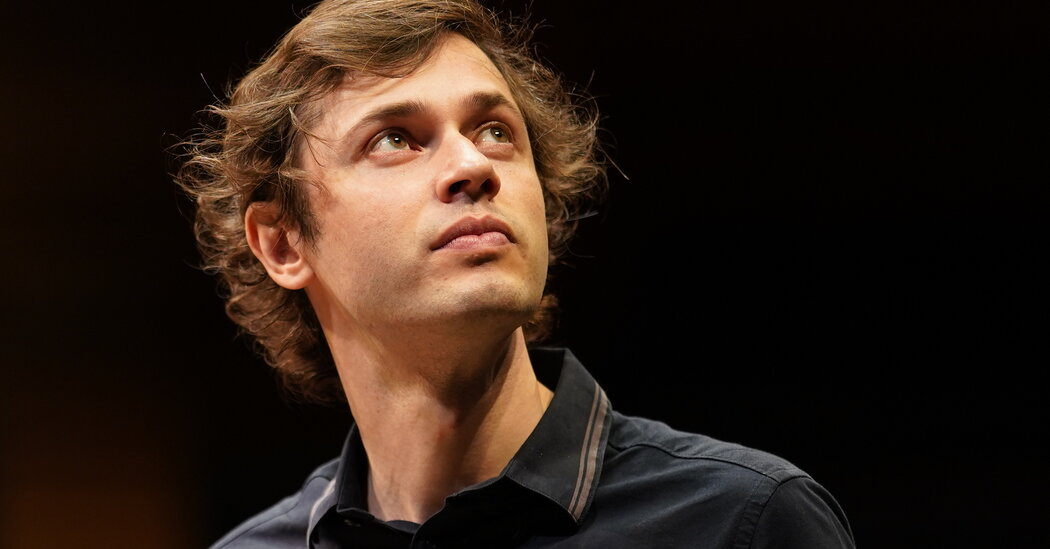
The opera will be performed for the first time at the Salzburg Festival this August 13 – 27 in a production under the direction of Simon Stone. The Felsenreitschule is home to Maxime Pascal, who won the annual Young Conductors Award for the daytime event in 2014. This is his first entirely staged theater.
Since 1950, the event has rarely presented Martinu’s works, including the 1956 world debut of his orchestra composition “Les Fresques de Piero della Francesca.” Most chamber music has been featured in new editions. Martinu found personal frequency in “The Greek Passion” in his final years. He was born in Policka, a village in Bohemia located in the modern-day Czech Republic, in 1890. In the 1920s and 1930s, his musical development in Paris reached its pinnacle. He left the Nazis for the United States in 1941 as a member of the French Resistance. Martinu passed away in Switzerland in 1959. In 1948, Bohuslav Martinu published his book “Christ Recrucified.”
After searching for a tragic subject matter that he could personally translate into libretto, Nikos Kazantzakis’ novels were found. Martinu worked closely with Kazantzakis on the book, which was translated into English by Jonathan Griffin. Martinu left behind two very different versions of “The Greek Passion.” The original edition, which was supposed to debut in London, wasn’t performed until 1999 at the Bregenz Festival in Austria. The score was rebuilt for that production.
By fusing Bohemian rhythms and Presbyterian cadences with influences from composers like Stravinsky and Debussy, Martinu’s older works achieve an unparalleled synthesis of Bohemian and European elements. However, his “Greek Passion” stands out because he thoroughly absorbed Greek Orthodox songs, often making references to his Bohemian heritage. Martinu visited New York in 1955 to study Greek folk songs and rituals.
“The Greek Passion” is regarded as Martinu’s greatest opera achievement, along with his 1938 surreal masterpiece “Juliette.” It is the self-described height of his labor for the period.