 Vanda Svobodova
The Rich Tradition of Mushroom Foraging in Czech Culture
Mushroom foraging holds a deep-rooted place in Czech culture, where it is celebrated as more than just a pastime or a culinary pursuit. It is an integral part of the country’s rich traditions, connecting people to their land, heritage, and natural surroundings. Often referred to as a ‘national sport,’ this activity unites people with nature and each other, characterized by widespread participation, competition, and the thrill of the hunt. For generations, Czechs have ventured into the lush forests, with wicker baskets and a wealth of knowledge passed down through the ages, all in search of these earthy treasures.
The act of mushroom foraging is steeped in a sense of reverence and appreciation for nature. It embodies the Czech philosophy of living in harmony with the environment, as it requires a deep understanding of the local ecosystem, weather patterns, and the intricate symbiotic relationships between different plant and fungal species. This intimate knowledge is cultivated through years of experience and a keen eye for detail, as foragers learn to distinguish the edible varieties from the potentially poisonous ones. Amidst the dappled sunlight and the scent of damp earth, mushroom foraging becomes a serene and meditative practice, allowing Czechs to connect with nature on a profound level.

The Historical Significance of Mushroom Foraging in Czech Cuisine
Mushroom foraging has deep roots in, dating back centuries. Throughout history, the Czech people have developed a rich tradition of gathering mushrooms from the forests and incorporating them into their culinary creations. The practice of mushroom foraging not only serves as a means of sustenance, but also holds cultural and historical significance within Czech society.
In Czech cuisine, mushrooms are considered a delicacy and are used in a wide range of traditional dishes. They provide a unique and earthy flavor that enhances the overall taste of a variety of recipes. From hearty soups and sauces to comforting stews and savory pies, mushrooms add depth and richness to Czech dishes. Dried mushrooms, in particular, play an important role in many traditional recipes, showcasing the versatility and creativity of Czech cooking. Furthermore, the historical reliance on mushroom foraging highlights the resourcefulness and connection to nature that is deeply engrained in Czech culture. The art of foraging for mushrooms has been passed down through generations, ensuring the preservation of traditional techniques and the continued appreciation for this natural treasure.
The Different Types of Mushrooms Found in Czech Forests
Czech forests are home to a vast variety of mushrooms, each with its own unique characteristics and culinary applications. One of the most popular types of mushrooms found in Czech forests is the boletus edulis, also known as the porcini mushroom. With its earthy flavor and meaty texture, the porcini mushroom is highly sought after by both foragers and professional chefs alike. Its versatility allows it to be used in a variety of dishes, from hearty soups to creamy sauces.
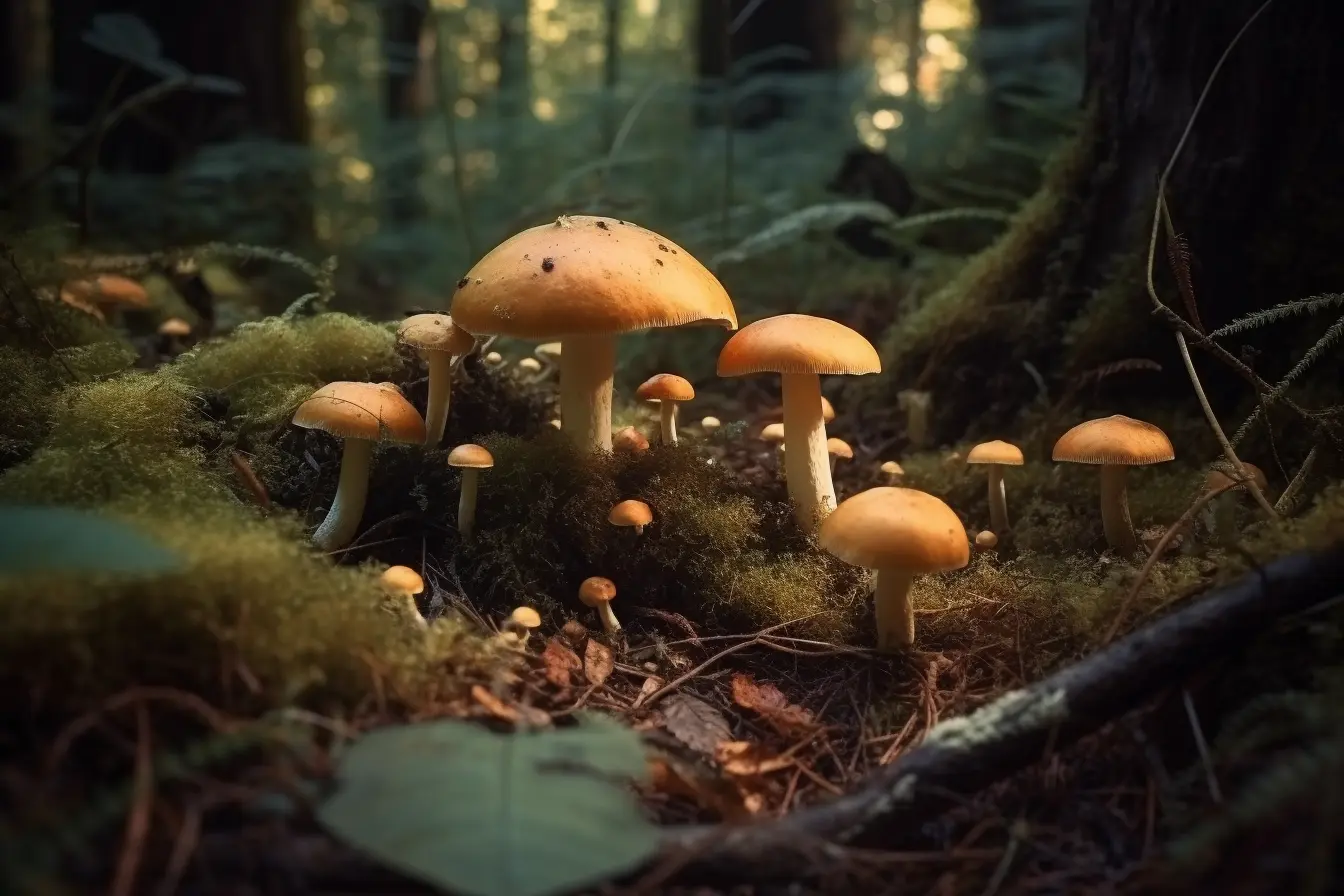
Another common mushroom found in Czech forests is the chanterelle. Known for its vibrant yellow color and delicate, fruity aroma, the chanterelle adds a touch of elegance to any dish it graces. Its slightly nutty and peppery flavor makes it a wonderful addition to risottos, pastas, and sautés. Despite its delicate appearance, the chanterelle is quite resilient and can be found in abundance throughout the Czech forests, especially in late summer and early fall.
The parasol mushroom is another popular edible mushroom sought after during the mushroom picking season in the Czech Republic. It is favored for its culinary uses, particularly when fried with butter and cumin seed, which makes it a delicious choice among mushroom pickers.
The Czech forests also boast a wide range of other mushroom varieties, such as the hedgehog mushroom, the fairy ring mushroom, and the wood ear mushroom. Each of these mushrooms brings its own unique flavor profile and texture to the table, allowing for endless culinary possibilities. Whether used in stews, stir-fries, or even pickled, these mushrooms add depth and complexity to traditional Czech dishes.
In conclusion, the different types of mushrooms found in Czech forests offer a rich palette of flavors and textures that have shaped the country’s culinary traditions for centuries. From the earthy porcini to the delicate chanterelle, each mushroom brings its own character to the table, making Czech cuisine truly unique. The abundance and diversity of mushrooms in Czech forests ensure that the tradition of mushroom foraging will continue to thrive for generations to come.

The Art of Mushroom Foraging: Techniques and Tips
Mushroom foraging is an ancient and highly respected tradition in Czech culture. The art of mushroom foraging requires knowledge, skill, and a deep understanding of nature’s bountiful gifts. In order to become a successful mushroom forager, one must learn the techniques and tips that have been passed down through generations. Carrying a small knife for cutting and cleaning mushrooms is essential for a productive and sustainable foraging experience.
First and foremost, it is crucial to educate oneself about the different types of mushrooms found in Czech forests. With over 3,000 species inhabiting the region, each with its own unique characteristics, it is essential to be able to identify edible mushrooms from their toxic counterparts. Learning to distinguish between the various shapes, colors, and textures of mushrooms is a fundamental skill that all mushroom foragers must possess. Additionally, understanding the habitats and seasons in which specific mushrooms thrive will greatly increase the chances of a successful foraging expedition. It is also vital to identify and avoid poisonous mushrooms to ensure safety during foraging.
Traditional Czech Mushroom Dishes: From Mushroom Soup to Sauces
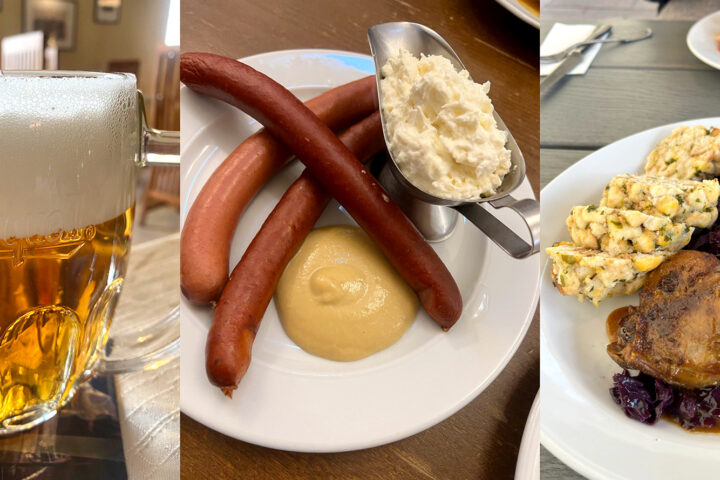
Czech cuisine is known for its rich and diverse flavors, and mushrooms play a prominent role in many traditional dishes. From hearty soups to creamy sauces, mushrooms are a staple ingredient that add a unique depth of flavor to Czech cuisine. Dried mushrooms are also commonly used in traditional Czech dishes, adding an intense and concentrated flavor.
One popular dish is the mushroom soup, which features a variety of mushrooms such as porcini, chanterelles, and oyster mushrooms. The mushrooms are sautéed with onions and garlic, then simmered in a flavorful broth made from vegetables and herbs. The result is a rich and comforting soup that is enjoyed year-round, but especially during the colder months.
Another classic Czech dish is the creamy mushroom sauce, often served with meat or . This velvety sauce is made by sautéing mushrooms in butter until they are tender and golden brown. Cream, garlic, and a dash of white wine are then added to create a luscious sauce that perfectly complements the main dish.
In Czech cuisine, mushrooms are not merely a side dish, but a star ingredient that elevates the flavors of traditional dishes. Whether enjoyed in a comforting soup or a creamy sauce, mushrooms add a delicious earthiness that is beloved by Czechs and visitors alike.

The Health Benefits of Including Mushrooms in Your Diet
Mushrooms have long been valued in Czech cuisine not only for their unique flavors and textures but also for their numerous health benefits. These fungi are highly nutritious, low in calories, and packed with essential vitamins and minerals. The most edible mushrooms found in Czech forests are particularly noted for their nutritional value. Incorporating mushrooms into your diet can provide a range of health benefits, from boosting your immune system to promoting heart health.
One significant health benefit of mushrooms is their immune-boosting properties. Certain species, such as the shiitake and maitake mushrooms, contain compounds that have been found to enhance the activity of immune cells in the body. Consuming these mushrooms regularly may help strengthen your immune system and ward off infections and diseases. Additionally, mushrooms are a rich source of antioxidants, which can help protect your cells from damage and reduce the risk of chronic diseases like cancer and heart disease.
Exploring the Culinary Uses of Czech Mushroom Varieties
Czech cuisine is renowned for its diverse array of mushroom dishes, incorporating a wide variety of locally foraged mushrooms. These unique varieties are prized for their rich flavors and textures, adding depth and complexity to traditional Czech recipes. From earthy porcini to delicate chanterelles, Czech mushroom varieties offer a range of culinary possibilities that have captivated taste buds around the world. Dried mushrooms are also commonly used in various Czech recipes, enhancing the flavors of soups, stews, and sauces.
One particularly beloved mushroom in Czech cuisine is the straw mushroom, known locally as “slívačka”. This small, pale-colored mushroom has a distinctive nutty flavor and a firm texture that holds up well when cooked. It is often used in hearty soups and stews, where its unique taste shines through, providing a comforting and earthy element to the dish. Additionally, straw mushrooms are often pickled and preserved, creating a tangy and flavorful accompaniment to cold meat dishes and salads. The versatility of the straw mushroom makes it a staple ingredient in many Czech households, offering a delightful addition to a variety of dishes.
Mushroom Foraging Regulations and Sustainability of Poisonous Mushrooms in the Czech Republic
In order to protect the biodiversity and ensure the sustainability of mushroom foraging in the Czech Republic, there are several regulations in place. Firstly, it is required to obtain a valid and government-issued foraging permit before venturing out into the forests. These permits can be obtained from local forestry authorities and are essential in order to legally collect mushrooms. The purpose of this regulation is to monitor and regulate the amount of mushrooms being harvested in order to prevent over-harvesting and preserve the fragile ecosystem of the forests. Additionally, there are certain designated areas where mushroom foraging is strictly prohibited, such as protected nature reserves, national parks, and private lands. More than two-thirds of the Czech population engages in mushroom foraging at least once a year, highlighting its cultural significance.
Furthermore, there are laws that specify the minimum size of mushrooms that can be harvested. This is a measure to ensure that smaller and younger mushrooms are left undisturbed, allowing them to mature and disperse their spores for the growth of future generations. The intention is to maintain the mushroom population and prevent the depletion of certain species. It is also important to note that some species of mushrooms are protected and cannot be harvested at all. These protected species are vital for the ecological balance of the forest and their preservation is of utmost importance.
In addition to the regulations, there is a growing awareness about the sustainable practices of mushroom foraging in the Czech Republic. Many foragers are now practicing responsible harvesting techniques, such as carefully picking mushrooms without damaging the mycelium, which is the underground network that supports their growth. This ensures the continuous growth of mushrooms in the same area over time. Moreover, foragers are encouraged to only collect mushrooms that they can positively identify, as some varieties can be poisonous or have hallucinogenic properties.
Overall, the regulations and focus on sustainability in the Czech Republic aim to strike a balance between the cultural tradition of mushroom foraging and the need to protect the forests’ delicate ecosystem. As more people become aware of the importance of these regulations and the sustainable practices associated with mushroom foraging, it is hoped that future generations will continue to enjoy the rich tradition in a way that is respectful to the environment.

Preserving Czech Mushroom Foraging Techniques for Future Generations
As the centuries-old tradition of mushroom foraging in Czech culture continues to evolve in the modern era, there is an increasing need to ensure the preservation and passing down of valuable foraging techniques to future generations. Preserving the traditional methods of mushroom gathering is crucial for maintaining this cultural heritage. With the changing landscape, urbanization, and the potential decline in mushroom populations, it becomes imperative to instill a sense of appreciation and knowledge amongst Czech individuals, especially those living in urban areas, for this cherished practice.
One of the key ways to safeguard the future of mushroom foraging techniques is through education and awareness. By providing comprehensive training and resources to aspiring foragers, the intricate skills and know-how can be effectively shared and passed down from generation to generation. Through workshops, seminars, and educational programs, individuals can learn about the different types of mushrooms, their ecological importance, and sustainable foraging practices. By instilling a sense of responsibility and respect for the natural environment, the next generation of foragers can contribute to the longevity and preservation of Czech mushroom foraging traditions.
The Influence of Czech Mushroom Foraging on International Cuisine
Mushrooms have been an integral part of Czech cuisine for centuries, with a rich tradition of foraging deeply rooted in the culture. The best conditions for finding the most mushrooms occur after rain when the weather is warm. Beyond the borders of the Czech Republic, this tradition has had a significant influence on international cuisine. The unique flavors and textures of Czech mushrooms have captured the attention of chefs and food enthusiasts worldwide, giving rise to innovative and creative dishes that showcase the versatility of these fungal marvels.
The earthy and robust qualities of Czech mushrooms have found their way into various culinary traditions, adding depth and complexity to dishes from around the globe. Chefs draw inspiration from traditional Czech mushroom foraging techniques and integrate them with their own cultural ingredients and cooking methods, resulting in a fusion of flavors that tantalize the taste buds. From the delicate chanterelles used in French cuisine to the hearty and flavorful porcini mushrooms featured in Italian recipes, the influence of Czech mushroom foraging can be seen in a wide range of international dishes.