 Jan Nettig
Traditional Czech Cuisine: A Brief Overview
Traditional cuisine is deeply rooted in the history and culture of the Czech Republic. Known for its hearty and comforting dishes, Czech cuisine reflects the country’s agricultural traditions and the abundance of ingredients available in the region. The cuisine heavily relies on meat, particularly pork, as well as potatoes, bread, and vegetables.
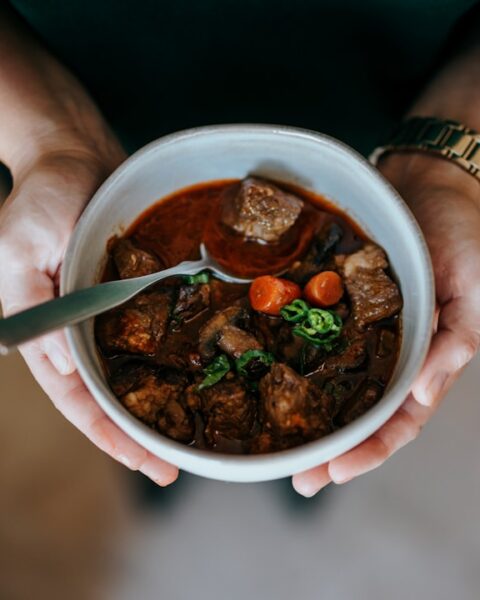
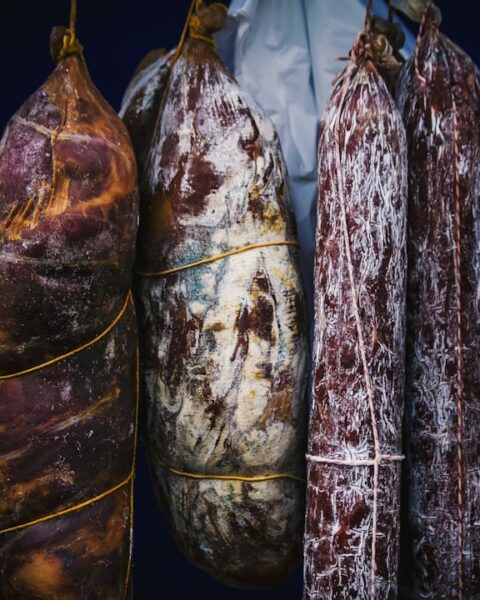
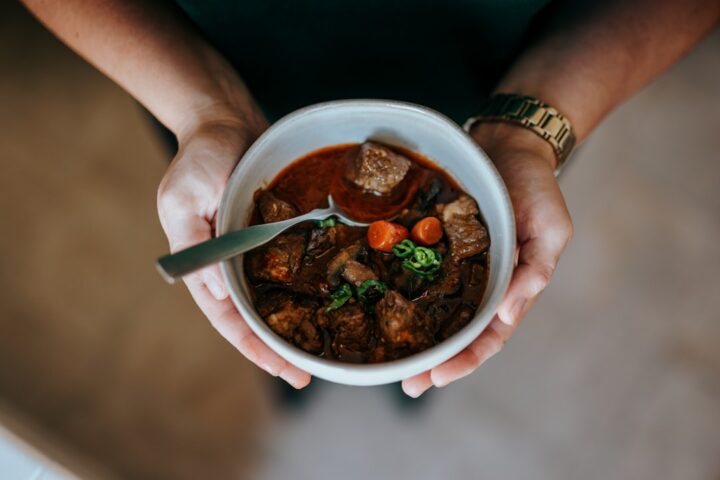
One iconic Czech dish is svíčková, a braised beef sirloin served with a creamy sauce made from root vegetables and topped with cranberry sauce. Another popular dish is goulash, a hearty stew made with beef, onions, and spices. Cheese is a key ingredient in traditional Czech dishes, such as fried cheese and cheese dumplings. Dumplings, either bread or potato-based, are often served alongside these dishes, soaking up the flavorful sauces. Some traditional soups and dishes may come with bacon, which vegetarians should be aware of. Other classic Czech dishes include schnitzel, and various soups like kulajda, made with mushrooms and potatoes in a creamy broth.
Traditional Czech cuisine is a testament to the country’s agricultural heritage and its time-honored culinary traditions. These dishes continue to be enjoyed by locals and tourists alike, often served as the main course in Czech restaurants, forming an integral part of Czech gastronomy and culture.

Shifting Dining Habits: The Growing Demand for Vegan and Vegetarian Options
As the world becomes increasingly conscious of health and environmental issues, the demand for vegan and vegetarian options in dining establishments has seen a significant rise. Czech cuisine, traditionally known for its hearty meat-based dishes, is not exempt from this shift in dining habits. More and more Czechs are embracing plant-based diets and seeking out restaurants that cater to their dietary preferences. Indian restaurants in Prague are excellent options for vegetarians, offering diverse and delicious meals.
One of the key factors driving this growing demand is the increasing awareness of the health benefits associated with vegan and vegetarian diets. Research has shown that these diets can help reduce the risk of chronic diseases, such as heart disease and diabetes, while also improving overall well-being. Additionally, the environmental impact of meat production has been a major concern in recent years, with many individuals opting for plant-based alternatives to reduce their ecological footprint. Consequently, there is a growing need for Czech restaurants to adapt their menus to cater to this rising demand and to provide a wider range of vegan and vegetarian options. The number of vegetarian restaurants in Prague is increasing, catering to the rising demand for quality vegetarian dining experiences.

The Influence of Health and Environmental Awareness on Czech Gastronomy
The growing awareness of health and environmental issues has had a significant impact on Czech gastronomy. Increasingly, Czech consumers are seeking out dining options that align with their personal values and beliefs. With concerns about the impact of meat production on the environment and the health risks associated with excessive meat consumption, more people are embracing plant-based diets.
Restaurants and cafes across the country are responding to this shift in dining habits by offering an extensive selection of vegan and vegetarian dishes. Chefs are experimenting with traditional Czech ingredients and flavors, creating innovative plant-based dishes that showcase the richness and diversity of Czech cuisine. From hearty bean goulash to flavorful vegetable soups, these dishes not only cater to the dietary preferences of individuals, but also provide a unique culinary experience that brings together traditional Czech flavors and modern dietary trends.
Adapting Traditional Czech Recipes: Vegan and Vegetarian Twists
Czech cuisine has a rich history deeply rooted in hearty meat dishes and traditional recipes passed down through generations. However, with the growing demand for vegan and vegetarian options, chefs and home cooks alike are finding innovative ways to adapt these traditional Czech recipes to cater to plant-based diets. This adaptation not only provides a wider range of choices for individuals following vegan and vegetarian lifestyles, but also opens up Czech cuisine to a whole new audience.
One example of a traditional Czech recipe that has been successfully adapted to be vegan or vegetarian is the iconic dish known as Svíčková. Originally made with marinated beef, this dish has been transformed by replacing the meat with hearty vegetables or meat substitutes such as seitan or tofu. The rich and creamy sauce, typically made from cream, can be recreated using plant-based alternatives such as coconut milk, cashew cream, or dairy-free sour cream. With these adaptations, vegan and vegetarian versions of Svíčková can now be enjoyed by individuals who may have otherwise been unable to taste this beloved Czech classic.
Another traditional Czech dish that has been given a vegan or vegetarian twist is Bramboráky, a savory potato pancake. Traditionally made with eggs and served with a dollop of sour cream, vegan and vegetarian versions of Bramboráky now use ingredients such as flaxseed or chia seeds as binding agents instead of eggs. Additionally, these plant-based versions can be topped with dairy-free sour cream or plant-based yogurt alternatives, providing the same tangy and creamy flavors that complement the crispy potato pancakes. Another popular vegetarian dish is fried cheese (smažený sýr), often served with tartar sauce, which enhances the flavor of this deep-fried cheese delight.
Adapting traditional Czech recipes to be vegan or vegetarian not only allows individuals following plant-based diets to experience the flavors and cultural heritage of Czech cuisine, but also highlights the culinary creativity and versatility of chefs and home cooks. As Czech gastronomy continues to evolve and embrace the demand for vegan and vegetarian options, the possibilities for adapting traditional recipes are endless, ensuring that Czech cuisine remains diverse and inclusive while catering to the changing dining habits of its audience.

Local Sourcing and Seasonal Ingredients: A Cornerstone of Vegan and Vegetarian Czech Cuisine
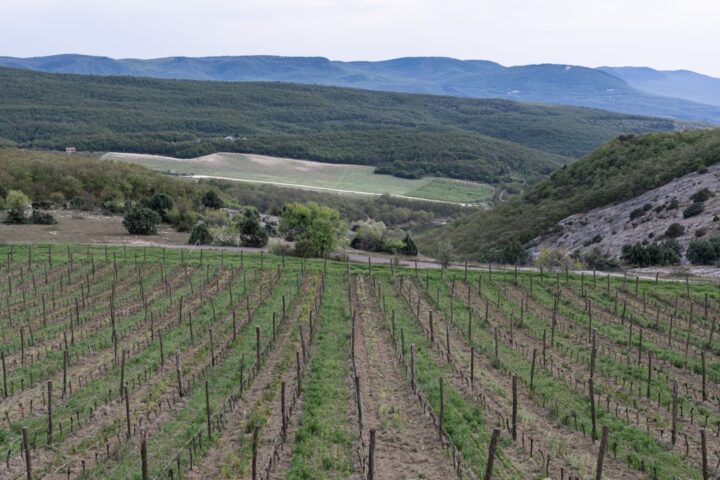
Local sourcing and the use of seasonal ingredients have long been the cornerstone of Czech cuisine. This holds true not only for traditional Czech recipes, but also for the growing vegan and vegetarian movement in the country. Chefs and restaurants are recognizing the importance of utilizing locally sourced, seasonal produce to create flavorful and sustainable plant-based dishes. Traditional ingredients like poppy seeds, used in sweet dishes such as egg noodles and fruit dumplings, and plum jam, a popular topping for ovocné knedlíky, further enrich the culinary experience.
By incorporating local ingredients into vegan and vegetarian recipes, chefs not only support local farmers and reduce their carbon footprint, but also ensure the freshest and highest quality ingredients make it onto their menus. The abundance of fresh and seasonal produce in the Czech Republic allows for a diverse range of plant-based dishes that showcase the natural flavors and textures of vegetables, fruits, and grains. Whether it’s crisp spring asparagus, hearty autumn root vegetables, or juicy summer tomatoes, these ingredients form the foundation of vegan and vegetarian Czech cuisine, providing a flavorful and sustainable alternative to meat-based dishes.

Czech Cuisine Meets International Flavors: Fusion of Traditional and Plant-based Ingredients
In recent years, the culinary landscape in Czech Republic has witnessed a fascinating fusion of traditional Czech meals and international flavors, all with a plant-based twist. This innovative approach to cooking has not only added new dimensions to the country’s gastronomy but has also catered to the growing demand for vegan and vegetarian options. Chefs and restaurants are creatively reimagining traditional Czech dishes by substituting animal products with plant-based ingredients, resulting in exciting and flavorful culinary experiences.
For instance, the renowned Czech dish, svíčková, typically consists of marinated beef with creamy sauce served alongside dumplings. However, in the hands of inventive chefs, this classic dish has been transformed into a vegan delight. The marinated beef is replaced with tender, roasted root vegetables, and the creamy sauce is made from a blend of cashews and plant-based milk. The result is a flavorful and satisfying dish that not only pays homage to tradition but also showcases the versatility of plant-based ingredients. This fusion of traditional Czech flavors with plant-based alternatives is not only attracting locals and tourists alike but is also contributing to the overall growth and acceptance of vegan and vegetarian cuisine in Czech Republic.
Innovative Chefs and Restaurants Leading the Vegan and Vegetarian Movement in Czech Republic
With the growing demand for vegan and vegetarian options, innovative chefs and restaurants in the Czech Republic are at the forefront of the plant-based movement. These culinary pioneers understand the importance of catering to diverse dietary preferences and have embraced the challenge of adapting traditional Czech recipes to suit the needs of vegans and vegetarians.
One such establishment is “Green Cuisine,” located in Prague. Led by renowned chef Martin Novák, this restaurant offers a tantalizing array of plant-based dishes that celebrate Czech gastronomy while embodying a sustainable and cruelty-free ethos. Green Cuisine offers a variety of vegetarian food that highlights the unique and diverse vegetarian options available in Prague. From vegan versions of traditional favorites like goulash and svíčková to innovative plant-based creations inspired by global cuisines, Green Cuisine is a testament to the creativity and passion of Czech chefs.
Another notable player in the vegan and vegetarian scene is “Herbivore Bistro” in Brno. This restaurant is committed to showcasing the best of seasonal and local ingredients in their plant-based dishes. Chef Klára Kocmanová crafts stunning plates that feature the vibrant flavors of Czech produce, elevating vegan and vegetarian cuisine to new heights. Herbivore Bistro has become a go-to destination for not only herbivores, but also meat-lovers looking to explore a more sustainable and ethical way of dining.
Innovation and dedication to quality are the cornerstones of these visionary chefs and restaurants. Their commitment to pushing boundaries and reimagining traditional Czech cuisine has played a pivotal role in the ongoing vegan and vegetarian movement in the Czech Republic. As consumers continue to prioritize their health and the environment, these culinary pioneers are set to shape the future of Czech gastronomy, proving that plant-based eating can be delicious, exciting, and accessible to all.

Vegan and Vegetarian Festivals: Celebrating Czech Gastronomic Diversity
Vegan and vegetarian festivals have become increasingly popular in the Czech Republic, showcasing the diverse and innovative plant-based cuisine that the country has to offer. These festivals provide a unique platform for both renowned and up-and-coming chefs to showcase their culinary skills and creativity, while promoting the values of sustainability, health, and compassion towards animals.
Visitors to these festivals can expect a wide array of delectable dishes made entirely from plant-based ingredients, ranging from traditional Czech favorites with a vegan twist to international flavors fused with local produce. With an emphasis on using locally sourced and seasonal ingredients, these festivals not only cater to the growing demand for vegan and vegetarian options, but also support the local agricultural industry and promote a more sustainable food system. Additionally, attendees can participate in cooking demonstrations, workshops, and educational talks that raise awareness about the benefits of a plant-based diet and the impact of food choices on the environment. • The festivals provide a unique opportunity for renowned and up-and-coming chefs to showcase their culinary skills and creativity in the realm of plant-based cuisine. • These events promote values such as sustainability, health, and compassion towards animals. • Visitors can enjoy a wide array of delicious dishes made entirely from plant-based ingredients, including traditional Czech favorites with a vegan twist and international flavors fused with local produce. • Emphasizing locally sourced and seasonal ingredients not only caters to the growing demand for vegan and vegetarian options but also supports the local agricultural industry. • These festivals aim to promote a more sustainable food system by encouraging attendees to make conscious choices about their food consumption. • Cooking demonstrations, workshops, and educational talks raise awareness about the benefits of a plant-based diet and highlight the impact of food choices on the environment.
Education and awareness play a crucial role in promoting vegan and vegetarian Czech cuisine. As people become more conscious of their food choices and its impact on their health and the environment, there is a growing need for information and guidance on adopting a plant-based diet. This is where education and awareness come into the picture.
By providing access to accurate and science-based information about the benefits of a vegan or vegetarian lifestyle, educational initiatives can help dispel myths and misconceptions surrounding plant-based diets. This can help individuals make informed decisions about their food choices and better understand the positive impact that vegan and vegetarian options can have on their overall well-being. Additionally, awareness campaigns can also promote the ethical aspects of a plant-based diet, highlighting how choosing plant-based options can contribute to animal welfare and the reduction of greenhouse gas emissions. Overall, education and awareness initiatives can empower individuals to make conscious food choices and inspire them to explore the diverse and delicious world of vegan and vegetarian Czech cuisine.

Future Prospects: The Sustainable Growth of Vegan and Vegetarian Options in Czech Cuisine
As the demand for vegan and vegetarian options continues to rise globally, the Czech cuisine industry is also witnessing a significant shift towards plant-based alternatives. This growing trend not only reflects changing dietary preferences but also highlights a broader awareness of health and environmental concerns. With an increasing number of Czech consumers embracing a plant-based lifestyle, the future prospects for sustainable growth in vegan and vegetarian options in Czech cuisine are promising.
One key factor contributing to the sustainable growth of vegan and vegetarian options in Czech cuisine is the culinary innovation and creativity displayed by local chefs and restaurants. These culinary pioneers are constantly exploring new ways to adapt traditional Czech recipes and incorporate plant-based ingredients to satisfy the evolving tastes of their customers. By infusing traditional flavors with contemporary vegan and vegetarian twists, these innovative chefs are not only catering to a niche market but are also expanding the appeal of plant-based cuisine to a broader audience.
In conclusion, the future prospects for sustainable growth in vegan and vegetarian options in Czech cuisine are bright. With the increasing demand for plant-based alternatives and the culinary ingenuity of local chefs, Czech cuisine is experiencing a significant transformation. As consumers become more health and environmentally conscious, the incorporation of vegan and vegetarian options in Czech cuisine is not just a passing trend but a lasting shift towards a more sustainable and diverse gastronomic landscape.
Cook Czech food at home
- “Recipes from an Old Town Bohemian Kitchen” — the accessible modern classic; photos and English-friendly measurements.
- “Czech Cookbook” by Doreen Grove — traditional grandmother-style recipes.
- Lodge 6-quart cast iron Dutch oven — essential for slow-braised meat dishes.
- Escali Primo digital kitchen scale (0.1g) — Czech recipes are weight-based.