

Historical Background: Tracing the events leading up to the Velvet Revolution
The events leading up to the Velvet Revolution in Czechoslovakia were marked by economic stagnation, political repression, and growing unrest among the population. Following the end of World War II, Czechoslovakia had initially transitioned into a socialist state under Soviet influence. The Communist Party, led by President Klement Gottwald, gradually consolidated its power and suppressed any dissenting voices through censorship and intimidation.
Throughout the 1970s and 1980s, Czechoslovakia experienced a decline in living standards and a lack of political freedoms. The economy stagnated under a centrally planned system, leading to widespread dissatisfaction among the people. Protests and acts of civil disobedience began to emerge, fueled by a desire for greater freedom and opportunity. These demonstrations were met with harsh repression from the government, further fueling resentment and opposition. Despite the risks, discontent continued to grow, pushing the country closer towards a tipping point.

The Significance of the Velvet Revolution: Analyzing the social and political changes in Czechoslovakia
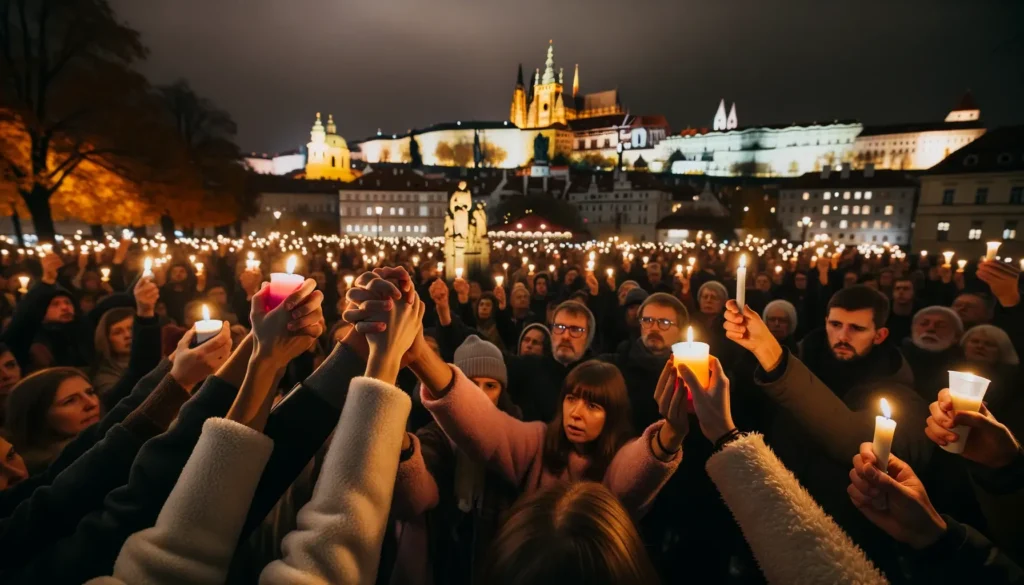
The Velvet Revolution holds immense significance in the history of Czechoslovakia, as it brought about substantial social and political changes. This peaceful uprising, which unfolded from November to December 1989, marked the end of communist rule in the country. The revolution was a direct response to the oppressive regime led by the Communist Party of Czechoslovakia, which had been in power since a Soviet-led invasion in 1968. Under communist rule, the citizens faced severe restrictions on their freedom of speech, expression, and assembly, along with economic hardships and a lack of political autonomy. The Velvet Revolution, therefore, stands as a testament to the resilience and determination of the Czechoslovak people to reclaim their rights and shape their own destiny.
The significance of the Velvet Revolution extends beyond its immediate impact on Czechoslovakia; it resonated globally and served as an inspiration for other nations seeking liberation from oppressive regimes. This nonviolent and highly organized movement demonstrated the power of peaceful resistance, influencing similar uprisings in countries like East Germany, Bulgaria, and Romania. In Czechoslovakia, the revolution not only dismantled the communist regime but also paved the way for the formation of a democratic government. Václav Havel, a prominent dissident and leader of the Civic Forum, became the country’s first democratically elected president in December 1989. This transition from communist rule to democracy was a momentous turning point in Czechoslovakia’s history, heralding a new era of political freedom, social progress, and economic revitalization.
Urban Design Before the Velvet Revolution: Exploring the architectural landscape and planning strategies
The architectural landscape of Czechoslovakia before the Velvet Revolution was heavily influenced by the totalitarian regime. The government exerted control over urban planning, resulting in a homogeneous and uniform architectural style across the country. Architectural designs primarily aimed at imposing the power and authority of the regime, with grandiose structures and monumental buildings serving as symbols of the state.
The planning strategies implemented during this period focused on promoting a sense of order and conformity. The government aimed to create a controlled environment that suppressed individuality and dissent. As a result, urban areas were meticulously organized, with strict zoning regulations and centralized decision-making processes. The planning strategies primarily prioritized functionality over aesthetics, resulting in a lack of diversity and creativity in the built environment. Despite these constraints, some architects did manage to incorporate elements of traditional Czech architecture, which provided pockets of cultural identity within the otherwise austere urban landscape.

The Role of Public Spaces: Examining the use and function of urban areas during the revolution
During the Velvet Revolution in Czechoslovakia, public spaces played a crucial role in facilitating the protests and voicing the demands of the people. As the epicenter of the revolution, Prague’s Wenceslas Square became a symbol of resistance and unity. Thousands of citizens filled the square, creating a powerful display of solidarity. Here, they chanted slogans, held peaceful demonstrations, and engaged in political discussions. The square became a platform for expressing grievances against the oppressive communist regime and advocating for change. It served as a gathering point for various civic movements, enabling citizens to mobilize and demand political reforms.
In addition to Wenceslas Square, public parks and streets also became important spaces for organizing and demonstrating. Citizens utilized these areas for rallies, speeches, and artistic performances, effectively communicating their demands for democratic freedom. By occupying public spaces, the people reclaimed their right to freely express themselves and challenge the authoritarian regime. The strategic use of public spaces during the Velvet Revolution allowed citizens to forge a united front, creating an atmosphere of resilience and determination in their fight for political change. These spaces not only facilitated peaceful protests, but also served as a means to inspire and empower the people, reflecting their collective yearning for a new era of freedom and democracy.
Revitalization Efforts: Investigating the restoration and transformation of Czech urban spaces post-revolution
After the Velvet Revolution, Czechoslovakia experienced a period of intense change and transformation. This historic event not only brought political reform but also had a profound impact on the urban spaces within the country. Revitalization efforts became crucial in restoring and transforming Czech urban spaces, aiming to reflect the new social and political landscape.
One of the key elements of the post-revolution revitalization efforts was the restoration of historical buildings and landmarks. Many architectural gems that had fallen into disrepair during the communist era were now given a new lease on life. Preservationists and architects worked diligently to bring these structures back to their former glory, respecting their historical significance while adapting them to modern needs. Through meticulous restoration, Czech urban spaces regained their charisma and fostered a sense of pride among the citizens. These restored buildings not only served as a reminder of the country’s rich heritage but also attracted tourists and investment, contributing to the economic growth of the region.
Cultural Expression in Urban Design: Understanding how artistic and cultural movements influenced city planning
Artistic and cultural movements have long played a significant role in shaping urban design. Their influence can be seen in the way cities are planned and built, with an emphasis on creating spaces that reflect the values and aspirations of a society. In the context of the Velvet Revolution in Czechoslovakia, artistic and cultural movements played a crucial role in reimagining the urban landscape.
During the Velvet Revolution, artists and cultural practitioners used their creativity as a powerful tool for expressing dissent and promoting social change. Through various forms of artistic expression, including street art, murals, and performances, they effectively challenged the existing social and political order. These artistic interventions not only energized the movement but also transformed public spaces into sites of resistance and collective action. The urban design of Czech cities became infused with a spirit of freedom and self-expression, as the once oppressive and monotonous architecture gave way to vibrant and dynamic artistic expressions.
Economic Shifts and Urban Design: Exploring the impact of economic changes on the built environment
In the wake of the Velvet Revolution, Czechoslovakia experienced profound economic shifts that inevitably impacted the built environment. The transition from a centrally planned socialist economy to a market-oriented one brought about significant changes in urban design strategies and practices. As the country embraced capitalism and sought to attract foreign investment, the focus shifted towards revitalizing urban areas, promoting economic growth, and improving the quality of life for its citizens. This led to the emergence of new architectural styles, the rehabilitation of dilapidated areas, and the creation of modern infrastructure to support a thriving economy.
One of the most visible impacts of the economic shifts on the built environment was the transformation of previously neglected industrial sites. These spaces, once symbols of the socialist era, were redeveloped into vibrant commercial and cultural hubs. Former factory buildings were repurposed as offices, art galleries, and trendy restaurants, breathing new life into derelict neighborhoods. This revitalization not only served as a catalyst for economic development but also promoted a sense of pride and identity amongst the local population. The adaptive reuse of industrial structures became a trend that highlighted the ability of urban design to adapt to changing economic realities and create spaces that fostered innovation, creativity, and connectivity.
Reclaiming Public Space: Discussing the newfound freedom of expression and its impact on urban design
The Velvet Revolution in Czechoslovakia brought about a newfound freedom of expression that had a significant impact on urban design. With the fall of the Communist regime, citizens were finally able to reclaim public space as a forum for open dialogue and creative expression. This shift in societal values led to a transformation in how urban areas were planned and designed to accommodate the needs and aspirations of the people.
One notable change was the emphasis on creating inclusive and accessible public spaces. Previously, public areas in Czechoslovakia were often oppressive and regimented, reflecting the authoritarian nature of the Communist regime. However, following the Velvet Revolution, the concept of public space took on a whole new meaning. It became a place for demonstrations, protests, and public gatherings, where citizens could exercise their democratic rights and voice their opinions. As a result, urban design began to prioritize the creation of flexible and multifunctional public spaces that could cater to a variety of activities and serve as catalysts for community interaction and cultural expression.
In this context, the newfound freedom of expression also led to an increased appreciation for the historical and cultural significance of urban spaces. Citizens sought to preserve and restore heritage buildings, monuments, and sites that had been neglected or neglected during the Communist era. This revitalization effort not only enhanced the aesthetic appeal of cities but also nurtured a sense of pride and identity among the people. Moreover, it showcased the rich history and cultural diversity of Czechoslovakia, making the cities more attractive to both locals and international visitors. As a result, urban design became instrumental in redefining the national narrative and projecting a new image of the country to the world.
Lessons from the Velvet Revolution: Analyzing the ongoing influence on urban design principles and practices
The Velvet Revolution in Czechoslovakia had a profound impact on urban design principles and practices, shaping the way cities are planned and developed even to this day. One of the key lessons to be learned from this historic event is the importance of public participation in the decision-making process. During the revolution, citizens played an active role in reclaiming public spaces and expressing their desires for change. This newfound freedom of expression led to a shift in urban design, with more emphasis being placed on creating inclusive, community-driven spaces that reflect the needs and aspirations of the people.
Another lesson that can be drawn from the Velvet Revolution is the power of cultural expression in shaping the built environment. The revolution was not only a political and social movement but also a cultural one, with artists and intellectuals playing a crucial role in advocating for change. This led to a reimagining of urban spaces, with an increased focus on incorporating artistic and cultural elements into city planning. The impact of this can be seen in the vibrant and creative cityscapes that have emerged in post-revolution Czech Republic, where public art and cultural events have become integral parts of urban life.
International Influence: Examining the global perception and recognition of Czech urban design post-revolution
The Velvet Revolution in Czechoslovakia not only brought about significant changes in the social and political fabric of the nation but also had a profound impact on the global perception of Czech urban design. Prior to the revolution, the country’s urban spaces were characterized by a rigid and authoritarian approach to city planning, often prioritizing functionality over aesthetics. However, in the aftermath of the revolution, there was a renewed emphasis on creativity, public participation, and the integration of art and culture into urban design.
The recognition of Czech urban design post-revolution was largely driven by its unique blend of modernity and historical preservation. Architects and planners embraced innovative design concepts while also respecting the historical context and architectural heritage of the cities. This approach created a distinctive urban landscape that garnered attention and admiration from both professionals in the field and the general public globally. Notably, the successful revitalization of public spaces and the creation of vibrant cultural hubs in cities such as Prague and Brno became exemplars of best practices in urban design. The international recognition of Czech urban design post-revolution has provided valuable insights and inspiration for planners, architects, and city officials around the world, influencing their own approaches to city planning and design.