 Kristina Vankova
In a meticulously planned and executed operation, Israel managed to disrupt Hezbollah’s activities in a span of just 11 days. This success story is a testament to the power of time, patience, and terabytes of data. In this article, we delve into how these elements were harnessed to strategically undermine one of the Middle East’s most notorious organizations.
The Context: A History of Hostilities
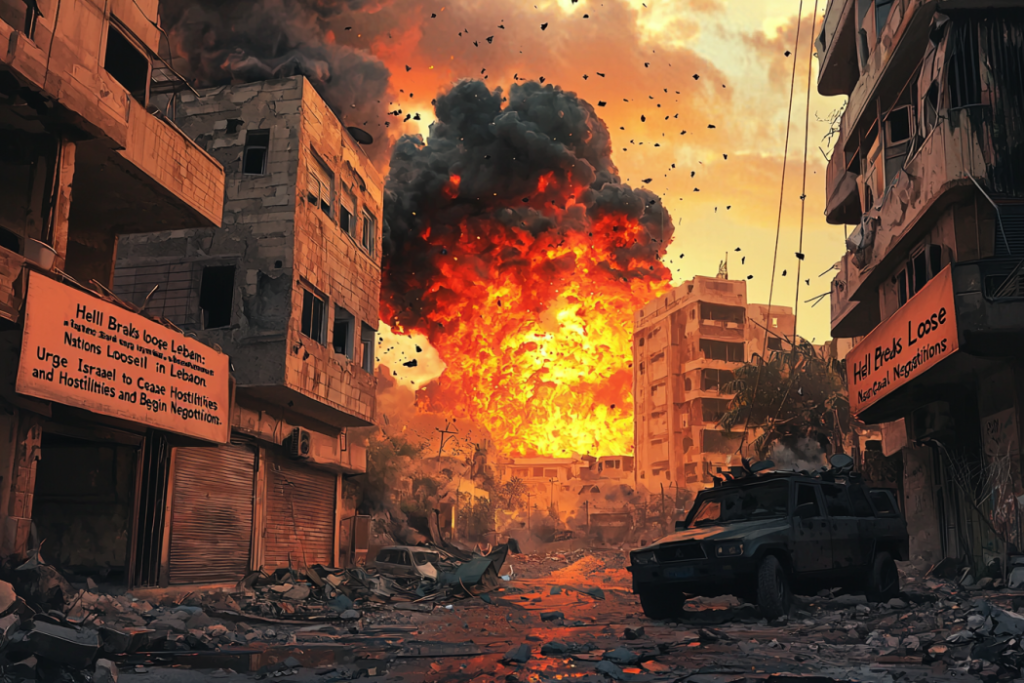
The fraught relationship between Israel and Hezbollah has been marked by decades of hostilities, skirmishes, and full-blown conflicts. Founded in the 1980s, Hezbollah has served as a significant military force and political player in Lebanon, often engaging in aggressive actions against Israel. These activities have necessitated several counter-operations by Israeli forces, the most recent being an 11-day offensive that has disrupted Hezbollah’s capabilities significantly.
The Role of Intelligence: Gathering Terabytes of Data
In modern warfare, intelligence is more critical than ever. Israel’s recent offensive was underpinned by vast amounts of intelligence data collected through various methods. Here’s a closer look at how these data were gathered and utilized:
Surveillance and Reconnaissance
Modern technology allows for extensive surveillance and reconnaissance missions. The Israeli Defense Forces (IDF) deployed drones, satellites, and human intelligence to gather real-time data on Hezbollah’s positions, activities, and weaponry. These assets provide detailed imagery and telemetry data, which were crucial in planning precision strikes.
Signals Intelligence (SIGINT)
Another layer of the intelligence-gathering process involved SIGINT. Israeli cyber units intercepted communications between Hezbollah members, providing invaluable insights into their plans and operations. This information helped in understanding Hezbollah’s command-and-control structure, making targeted strikes more effective.
Strategic Planning and Execution: The Operation
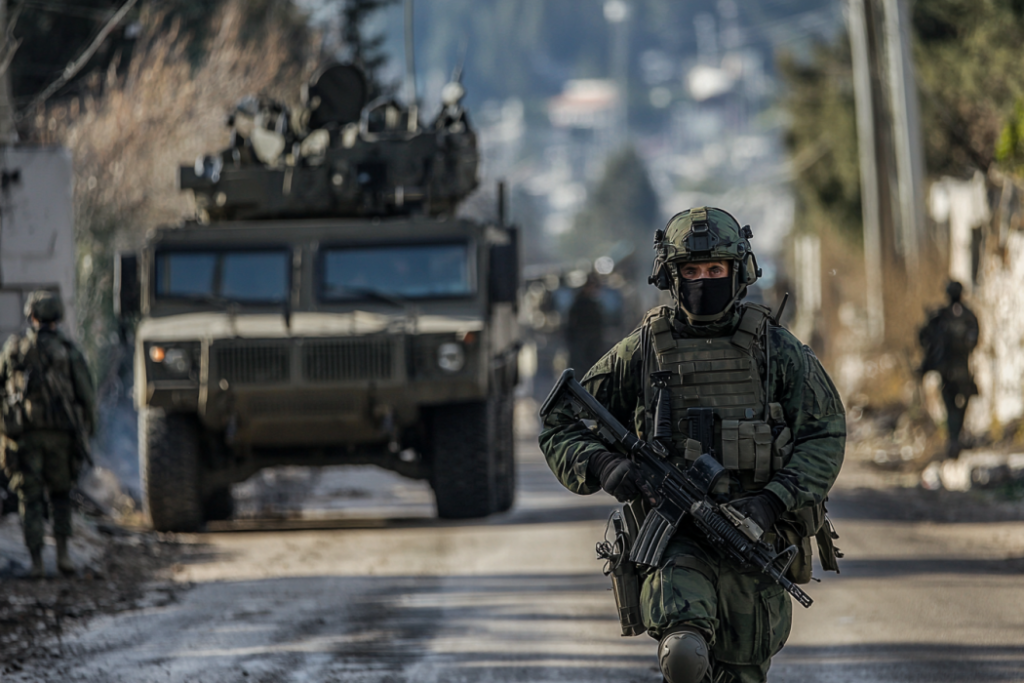
The success of Israel’s operation against Hezbollah lies in its strategic planning and precise execution. The IDF’s strategy involved multi-tiered operations that focused on key objectives:
Identifying and Neutralizing Threats
The initial phase involved identifying high-value targets (HVTs) within Hezbollah’s hierarchy. These included senior commanders, weapon depots, and command centers. Special Operations Forces were tasked with gathering more granular data and, in some cases, executing direct action missions to neutralize these threats.
Degrading Operational Capabilities
The next phase involved launching airstrikes and artillery barrages to degrade Hezbollah’s operational capabilities. Precise targeting, backed by accurate intelligence, ensured that these strikes inflicted maximum damage with minimal collateral damage. The use of smart munitions and guided missiles played a significant role in the effectiveness of these strikes.
Psychological Operations (PsyOps)
The IDF also conducted PsyOps to undermine the morale of Hezbollah fighters and their supporters. This involved broadcasting messages, spreading disinformation, and leveraging social media platforms to sow confusion and dissent among Hezbollah ranks. These efforts were crucial in weakening Hezbollah’s resolve and operational cohesion.
Technological Edge: Leveraging Advanced Tools
Modern warfare is as much about technology as it is about strategy. Israel’s technological prowess provided a significant edge in the battle against Hezbollah:
Artificial Intelligence (AI) and Big Data Analytics
The analysis of vast amounts of data was facilitated by AI and big data analytics tools. These systems analyzed patterns, identified potential threats, and provided actionable intelligence faster than human analysts could. This enabled the IDF to stay one step ahead of Hezbollah.
Cyber Warfare
Cyber units targeted Hezbollah’s communication networks, disrupting their ability to coordinate and execute operations. This cyber-offensive crippled Hezbollah’s command and control capabilities, making their forces more vulnerable to Israeli attacks.
The Human Element: Time and Patience
While technology and data played critical roles, the human element—time and patience—was equally important:
Long-term Planning
This operation was not conceived overnight. It was the result of years of meticulous planning, intelligence gathering, and rehearsals. The IDF demonstrated remarkable patience, waiting for the right moment to strike and ensuring all elements were in place before launching the offensive.
Field Operatives
Field operatives, both local and special forces, undertook high-risk missions to gather on-ground intelligence and execute direct action tasks. Their contributions were invaluable in the overall success of the operation.
The Impact: Disrupting Hezbollah
The 11-day offensive had profound impacts on Hezbollah:
Operational Setbacks
Hezbollah suffered significant operational setbacks. Key leaders were eliminated, and vital infrastructure was destroyed. This has hampered their ability to conduct military operations against Israel in the near term.
Psychological Blow
The effective use of PsyOps inflicted a psychological blow on Hezbollah fighters and supporters, sowing doubt and confusion. This will likely impact their recruitment and retention efforts moving forward.
Regional Stability
By disrupting Hezbollah’s capabilities, Israel has also contributed to a period of relative stability in the region. However, the underlying tensions remain, and it will require continued vigilance to maintain this stability.
The Future of Warfare
Israel’s 11-day offensive against Hezbollah serves as a compelling case study in modern warfare. The operation underscored the importance of time, patience, and data in achieving strategic objectives. As warfare continues to evolve, these elements will become increasingly critical in determining the outcomes of military engagements.
The future of warfare will likely see even greater integration of technology and intelligence, making operations more precise and effective. For nations around the world, the lessons from Israel’s operation against Hezbollah will provide valuable insights into how to conduct successful military campaigns in the information age.