 Kristina Vankova
The Czech Republic, a country nestled in the heart of Europe, is known not only for its stunning architecture, picturesque landscapes, and rich history, but also for its hearty and flavorful cuisine. Czech food is a delightful blend of meats, dumplings, sauces, and sweets, each dish carrying with it a story that reflects the country’s culture and traditions.
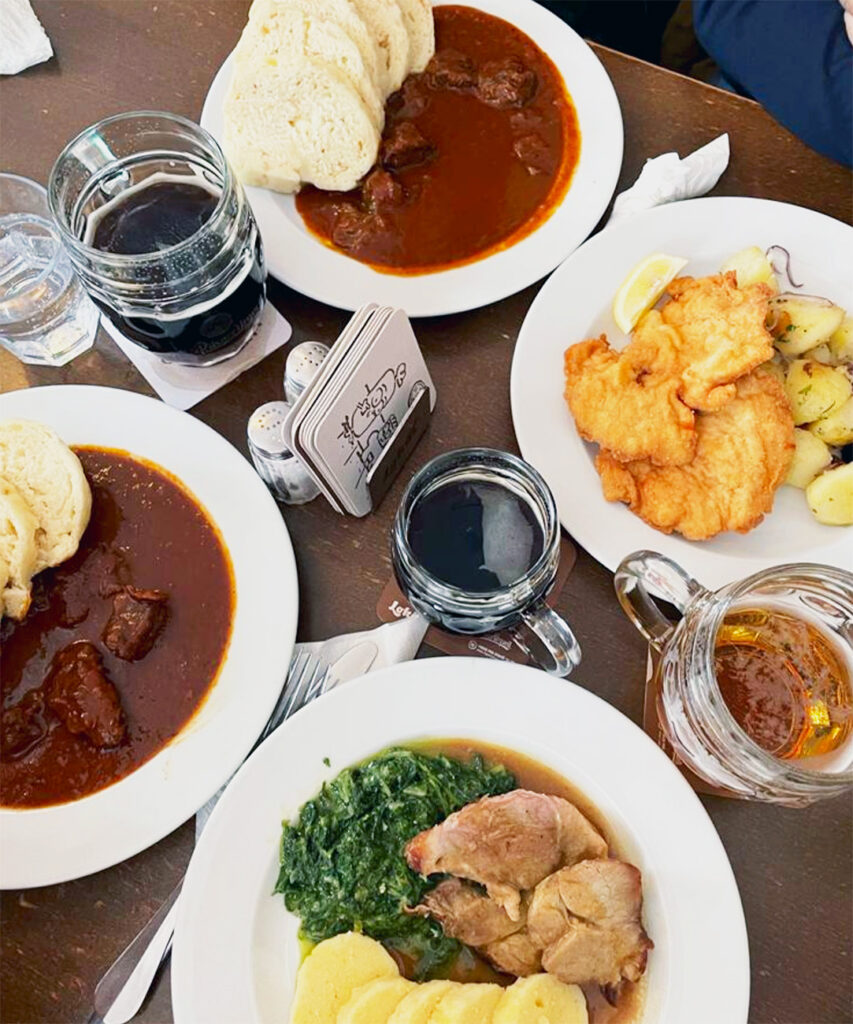
In this article, we will explore the top 10 Czech foods as judged by the Czechs themselves, celebrating the essence of their culinary heritage.
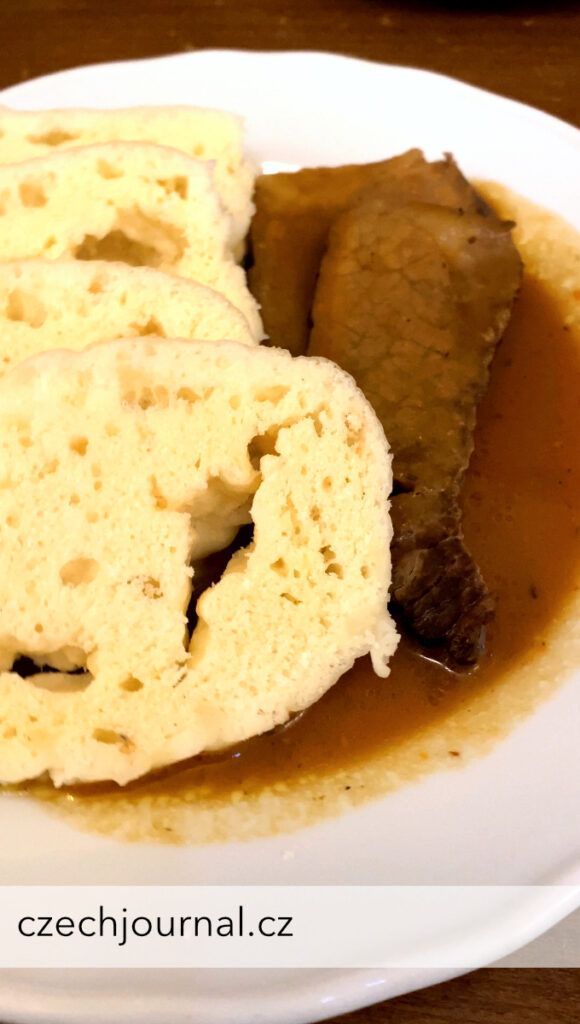
1. Svíčková na Smetaně (Marinated Sirloin with Cream Sauce)
A Czech Classic with a Rich Legacy
Svíčková na smetaně is often considered the pinnacle of Czech cuisine. This dish is a labor of love, combining marinated beef sirloin with a creamy vegetable sauce. The beef is typically marinated in a mixture of vinegar, spices, and root vegetables like carrots, celery, and parsley, which gives it a distinct and deep flavor. After marinating, the beef is slow-cooked until tender and then served with a rich, velvety sauce made from the marinade, thickened with cream.
Accompaniments and Tradition
Svíčková is traditionally served with houskové knedlíky (bread dumplings), which are perfect for soaking up the creamy sauce. A dollop of cranberry sauce and a slice of lemon usually garnish the plate, adding a hint of sweetness and acidity that balances the dish’s richness.
Cultural Significance
For Czechs, svíčková is more than just a meal; it’s a dish that symbolizes family gatherings and special occasions. Preparing svíčková is a ritual that often involves multiple generations, making it a beloved comfort food that connects people through shared memories.

2. Vepřo Knedlo Zelo (Roast Pork with Dumplings and Sauerkraut)
The Quintessential Czech Meal
Vepřo knedlo zelo is the embodiment of Czech culinary tradition. This dish, comprising roast pork, dumplings, and sauerkraut, is a staple on Czech tables and is often referred to as the national dish of the Czech Republic. If you’re an experienced traveler familiar with traditional Hungarian goulash, you’ll notice a difference in the Czech version—the sauce is thicker, and there’s much less of the paprika flavor.
Preparation and Ingredients
The pork is typically seasoned with garlic, caraway seeds, and onions before being slow-roasted to perfection. The meat is tender and juicy, with a crispy, flavorful crust. The sauerkraut, cooked with onions, bacon, and sometimes apples, provides a tangy counterpoint to the richness of the pork. The bread dumplings (knedlíky) are the glue that holds the dish together, soft and spongy, perfect for absorbing the flavorful juices of the meat and sauerkraut.
A Dish Steeped in Tradition
Vepřo knedlo zelo is more than just a meal; it’s a representation of Czech resilience and resourcefulness. The ingredients are simple and hearty, reflecting the country’s agrarian roots. It’s a dish that brings warmth to cold winter days and comfort to any occasion.

3. Guláš (Goulash)
The Czech Twist on a Hungarian Classic
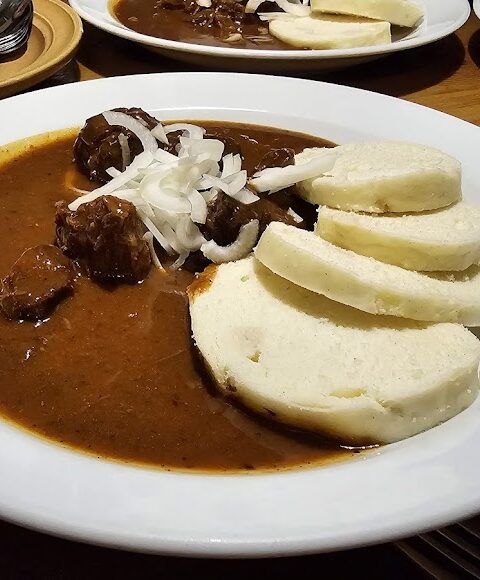
While goulash is originally a Hungarian dish, the Czech version has become a beloved part of the nation’s culinary identity. Czech guláš is a thick, hearty stew made from beef or pork, slow-cooked with onions, garlic, paprika, and caraway seeds.
A Hearty Stew for All Occasions
Guláš is typically served with bread dumplings or sometimes with a simple slice of hearty bread. The rich, flavorful sauce, thickened with a combination of onions and flour, is the star of the dish, with the tender chunks of meat adding depth and substance. The must and a finishing touch are thinly sliced red onions served on top.
A Dish for Every Table
Czechs enjoy guláš in various settings, from family dinners to pub meals with friends. It’s a dish that is both comforting and versatile, adapting to different meats and regional variations. Whether enjoyed at a bustling pub or a quiet family dinner, guláš remains a favorite among Czechs.

4. Řízek (Schnitzel)
The Czech Love Affair with Fried Meat
Řízek, the Czech version of schnitzel, is a simple yet beloved dish that has earned its place in the hearts of Czechs. Made from pork, chicken, or veal, the meat is pounded thin, breaded, and fried to golden perfection.
A Universal Favorite
Řízek is often served with a side of potato salad or boiled potatoes and a wedge of lemon. The crispiness of the breading contrasts beautifully with the tenderness of the meat inside. While it is straightforward, the dish’s popularity lies in its simplicity and the satisfaction it brings.
A Versatile Dish
Czech families often enjoy řízek during Sunday lunches or as part of festive meals. It’s a dish that transcends age, enjoyed by children and adults alike. Its versatility also allows it to be served in various settings, from casual lunches to formal dinners.

5. Bramboráky (Potato Pancakes)
A Crispy, Savory Delight
Bramboráky are savory potato pancakes that are crispy on the outside and soft on the inside. Made from grated potatoes mixed with garlic, marjoram, and caraway seeds, then fried to golden perfection, these pancakes are a Czech comfort food classic.
A Versatile Accompaniment or Main Dish
Bramboráky can be served as a side dish to various meats, particularly roasted or grilled meats, or enjoyed on their own as a main course, often accompanied by a side of sauerkraut or sour cream. Their crispy texture and savory flavor make them a favorite snack or meal. Bramboráky often accompany hearty dishes like goulas or meat dishes with sauce. Bramborák can be served on it’s own with some fried ham and vegetables and a tomato sauce, often folded almost like a sandwich.
A Taste of Czech Tradition
These pancakes are often associated with traditional Czech fairs and festivals, where they are served hot and fresh from food stalls. The smell of bramboráky frying is enough to make anyone’s mouth water, making them a beloved part of the Czech food experience. You will always spot some bramboráky at Christmas markets all around the Czech Republic.
6. Česká Klasika (Czech Soup Traditions)
A Warm Start to Any Meal
Czechs take their soups seriously, and no traditional meal would be complete without a bowl of soup to start. The most popular Czech soups include Česnečka (garlic soup), Kulajda (dill soup with potatoes and mushrooms), and Bramboračka (potato soup). Each of these soups reflects the Czech love for earthy, hearty flavors.
Česnečka: The Ultimate Comfort Soup
Česnečka is a simple garlic soup often made with a broth base, loaded with garlic, potatoes, and sometimes a poached egg. It’s the go-to remedy for colds or hangovers and is deeply comforting, especially on cold days.
Kulajda: A Taste of the Forest
Kulajda is a creamy soup made from potatoes, mushrooms, dill, and eggs. Its rich, earthy flavors make it a perfect dish for autumn, capturing the essence of Czech forests in a bowl.
Bramboračka: The Hearty Potato Soup
Bramboračka is a thick soup made from potatoes, root vegetables, and mushrooms, often flavored with marjoram. It’s a soup that’s both filling and nourishing, often enjoyed during the colder months.

7. Smažený Sýr (Fried Cheese)
The Czech Fast Food Favorite
Smažený sýr, or fried cheese, is a beloved Czech fast food that has become a cultural icon. This dish consists of a thick slice of cheese, usually Edam, breaded and deep-fried until crispy on the outside and melted on the inside.
The Perfect Comfort Food
Smažený sýr is typically served with tartar sauce and a side of fries or boiled potatoes. The gooey, melted cheese combined with the crispy breading makes it an irresistible treat. It’s a dish that satisfies both as a quick snack from a street vendor or as a more substantial meal in a restaurant.
A National Favorite
Czechs love smažený sýr for its simplicity and indulgence. It’s a dish that evokes a sense of nostalgia, often reminding people of their childhoods when fried cheese was a special treat. Its enduring popularity is a testament to its comforting and universally appealing nature.
8. Koláče (Czech Pastries)
Sweet Treats with a Rich History
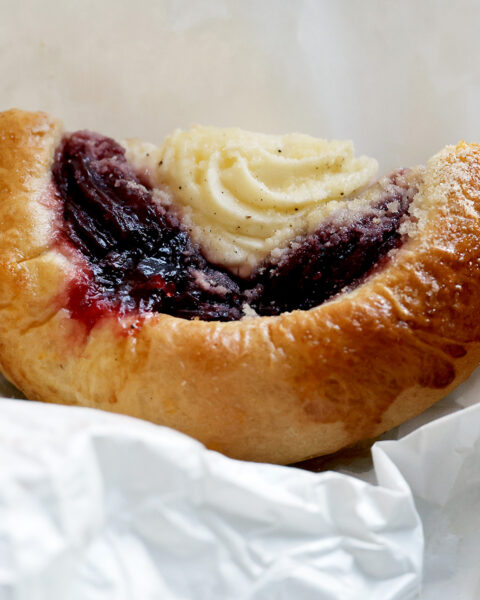
Koláče are traditional Czech pastries that have been enjoyed for centuries. These round, sweet buns are typically filled with ingredients like poppy seeds, fruit jam, cheese, or plum butter. They are often topped with a crumbly streusel or powdered sugar.
A Staple of Czech Celebrations
Koláče are commonly served during holidays, weddings, and family gatherings. Each region in the Czech Republic has its own variation of koláče, with different fillings and toppings. The process of making these pastries is often a communal activity, bringing together family and friends.
A Symbol of Czech Hospitality
In Czech culture, offering koláče to guests is a sign of hospitality. These pastries are more than just a dessert; they represent the warmth and generosity of the Czech people. Whether enjoyed with a cup of coffee or as a sweet finish to a meal, koláče are a beloved part of Czech culinary tradition.

9. České Omáčky (Czech Sauces)
The Foundation of Czech Cuisine
Czech cuisine is renowned for its rich, flavorful sauces that accompany many traditional dishes. These sauces, or omáčky, are typically made from a base of butter, flour, and stock, and are often flavored with cream, mustard, or dill.
Rajská Omáčka: A Tomato-based Favorite
Rajská omáčka, or tomato sauce, is a popular Czech sauce made from tomatoes, onions, and spices, thickened with flour and often sweetened with a bit of sugar. It’s commonly served with meatballs or beef and is always accompanied by a generous portion of dumplings.
Koprová Omáčka: The Unique Dill Sauce
Koprová omáčka is a creamy dill sauce made from fresh dill, vinegar, and cream. It’s typically served with boiled beef or hard-boiled eggs and is a unique flavor combination that Czechs adore.
Sváteční Omáčka: The Festive Sauce
Sváteční omáčka is a festive sauce often made with a combination of ingredients like mustard, honey, and spices. It’s a popular choice for special occasions and holiday meals, adding a touch of elegance to the traditional Czech table.

10. Knedlíky (Dumplings)
The Ubiquitous Accompaniment
No discussion of Czech cuisine would be complete without mentioning knedlíky, the ubiquitous dumplings that accompany many traditional dishes. These dumplings are made from bread, potatoes, or semolina, and are a key component of Czech meals.
Bread Dumplings: The Most Common Variety
Bread dumplings, or houskové knedlíky, are made from flour, yeast, and stale bread cubes. They are boiled in water and then sliced into rounds. These dumplings are the perfect vehicle for soaking up sauces and gravies, making them an essential part of dishes like svíčková and guláš.
Potato Dumplings: A Hearty Alternative
Potato dumplings, or bramborové knedlíky, are made from grated potatoes and flour. They are denser than bread dumplings and are often served with roasted meats or sauerkraut. Their earthy flavor and hearty texture make them a favorite among Czechs.
A Versatile Side Dish
Knedlíky are incredibly versatile and can be adapted to suit various dishes. They can be filled with fruit or meat, served as a side dish, or even enjoyed on their own with a bit of butter and sugar. Their simplicity and adaptability have made them a staple of Czech cuisine.
A Journey Through Czech Culinary Tradition
The top 10 Czech foods listed above are more than just dishes; they are a reflection of the Czech people’s history, culture, and way of life. Each dish tells a story, from the humble origins of knedlíky to the festive indulgence of koláče. Czech cuisine is a celebration of hearty, flavorful food that brings people together, whether it’s for a family dinner, a festive occasion, or a casual meal with friends.
As you explore these traditional Czech foods, you’ll discover the warmth and comfort that defines Czech cooking. Whether you’re savoring the rich sauce of svíčková, biting into a crispy řízek, or enjoying a sweet koláč, you’re experiencing a piece of Czech heritage. These dishes are a testament to the enduring love that Czechs have for their food, and a delicious invitation to anyone willing to join them at the table.