 Jan Nettig
In a somber turn of events, a small airplane crashed near the Austrian village of Grünau im Almtal on a Saturday afternoon, claiming the lives of four individuals. The aircraft, a Rockwell Commander 112B, had embarked on a journey from Příbram in the Czech Republic, destined for the Croatian region of Istra. The tragedy has sent shockwaves through the communities connected by this ill-fated flight.
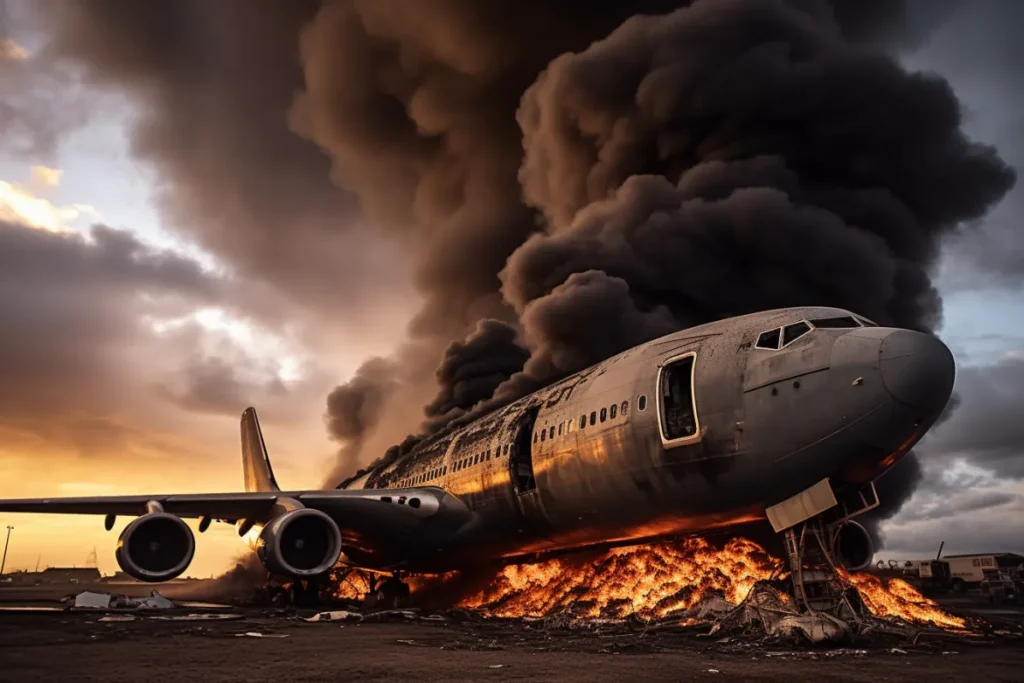
The Ill-Fated Flight
The Rockwell Commander 112B, a single-engine four-seater aircraft, was reported missing around noon, prompting a massive search operation. The efforts involved firefighters, police, mountain rescue teams, and the Red Cross, utilizing helicopters in the search. After four hours of intensive searching in a snow-covered ski area, the wreckage and the victims were finally located. The Austrian press agency noted the challenging conditions of the search and rescue operations due to the winter weather.
Unanswered Questions
The cause of the crash remains unknown, and the Upper Austrian criminal office is currently investigating the incident. The aircraft, which bore a German registration, has raised questions about its ownership and purpose. A post on Facebook suggests that the crashed airplane might have belonged to an individual who frequently advertised weekend scenic flights. The type of aircraft, its route, and the number of passengers align with a Thursday post offering a flight from Příbram to Pula, Croatia.
The Aftermath: A Community in Mourning
The tragic crash near Grünau im Almtal has left a profound impact on the communities of Příbram and Istra. The loss of four lives in such unexpected circumstances has brought a wave of grief and solidarity among the residents. Local authorities and community leaders have extended their condolences and support to the families of the victims, emphasizing the need for a thorough investigation to prevent future tragedies.
Investigating the Cause: A Complex Puzzle
The investigation into the crash is multifaceted, involving aviation experts, forensic teams, and local law enforcement. The primary focus is to determine the cause of the crash, whether it was due to mechanical failure, pilot error, or external factors such as weather conditions. The aircraft’s flight path, maintenance records, and communication logs are being meticulously examined to piece together the final moments before the crash.
Safety Concerns in Light Aviation
This incident has raised concerns about the safety standards in light aviation. Questions are being asked about the regulatory oversight of small aircraft operations, especially those involving scenic and recreational flights. The aviation community is calling for stricter adherence to safety protocols and regular maintenance checks to ensure the wellbeing of passengers and pilots.
A Call for Stricter Regulations
In response to the tragedy, aviation authorities and policymakers are discussing the possibility of implementing stricter regulations for small aircraft operations. These may include more rigorous licensing requirements for pilots, mandatory safety briefings for passengers, and enhanced flight monitoring systems. The goal is to increase the safety of light aviation without hindering its accessibility and convenience.