 Kristina Vankova
In a heart-wrenching turn of events, a devastating train collision in northwestern Spain has resulted in the tragic deaths of at least 21 individuals. The catastrophe occurred when a high-speed train, traveling at immense velocity, collided with another train on a rail line notorious for heavy traffic. This accident marks one of the deadliest rail incidents the country has witnessed in recent years, prompting an urgent investigation into the circumstances surrounding the tragedy.
Details of the Tragic Incident
The unfortunate incident took place near the town of Santiago de Compostela, a region steeped in historical significance and bustling with rail activity. Reports indicate that the high-speed train involved in the crash was en route to a major city, carrying hundreds of passengers who were unsuspecting of the impending disaster.
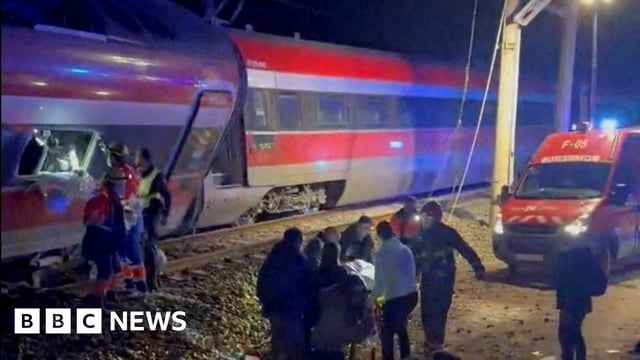
Eyewitness accounts describe a scene of chaos as the trains collided, resulting in a deafening crash that sent debris and twisted metal sprawling across the tracks. Emergency services were immediately dispatched to the site, where they faced the daunting task of rescuing passengers trapped in the wreckage.
Casualties and Emergency Response
The aftermath of the collision saw a significant number of injuries alongside the tragic fatalities. With the death toll standing at 21 and climbing, hospitals in the vicinity have been inundated with victims requiring urgent medical attention. Rescue workers have been tirelessly working in a race against time to extricate survivors from the mangled remains of the trains.
Local authorities have been swift in their response, deploying resources to manage the crisis and provide aid to victims and their families. The collaboration between emergency services, medical personnel, and law enforcement has been pivotal in addressing the immediate needs posed by the disaster.
Investigation into the Causes
As the nation grapples with the shock of the incident, questions regarding the cause of the collision have surfaced. Preliminary investigations are focusing on several potential factors, including the speed of the train and the condition of the rail infrastructure. Spain’s railway safety protocols are under scrutiny, as authorities aim to piece together the sequence of events that led to this catastrophic outcome.
Speculation has arisen surrounding possible human error and technical malfunctions. Experts are also examining the train’s black box data, which could provide critical insights into the train’s speed and operations at the time of the incident. The findings will be crucial in determining accountability and preventing future tragedies.
In the wake of the disaster, the Spanish government has pledged a thorough investigation to uncover any lapses or oversights in safety measures. Key officials have visited the site, offering condolences and promising comprehensive support to affected families. The tragedy has sparked a national dialogue on rail safety, emphasizing the need for stringent measures to prevent such incidents in the future.
The train collision in Spain serves as a somber reminder of the vulnerabilities that exist within modern transportation systems. As investigators work diligently to unravel the complexities of the accident, the nation stands united in mourning the lives lost and in hope that such a tragedy will not occur again.