 Kristina Vankova
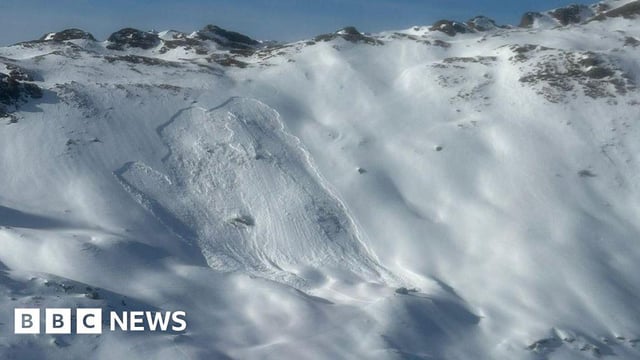
An avalanche within the Austrian Alps has resulted in a harrowing disaster, claiming the lives of eight skiers and leaving the community in mourning. This tragedy underscores the imminent dangers of alpine skiing, where unpredictable weather can turn serene landscapes into life-threatening environments.
Details of the Incident
The catastrophic event occurred during a weekend excursion when a group of experienced skiers was navigating a popular off-piste area known for its challenging terrain. Despite the group’s expertise and familiarity with alpine conditions, they were overwhelmed by a sudden avalanche, a common yet devastating natural phenomenon in the region.
Efforts to locate survivors were swift, involving local rescuers equipped with specialized gear designed to detect signals from avalanche transceivers typically carried by skiers. The rescue teams battled against the clock, hoping to find survivors alive under the icy debris.
Local Community and Rescue Operations
The avalanche has deeply impacted the local community, where winter sports play a significant role in both culture and economy. Vigorous search and rescue operations were launched immediately, drawing support not only from local authorities but also from neighboring regions. Helicopters, avalanche dogs, and a substantial number of rescue personnel were deployed to the site as soon as conditions allowed.
Despite these efforts, the unforgiving nature of avalanches meant that time was of the essence. The recovery of bodies was a sobering reminder of the inherent risks associated with winter sports in the Alps. Several of the victims were residents of nearby villages, tightening the circle of those affected.
Understanding Avalanche Risks
Avalanche risk mitigation is a crucial aspect of alpine safety, particularly in popular ski regions. The Austrian Alps, renowned for their picturesque vistas and premier ski destinations, are also notorious for their avalanche-prone slopes. As a result, both authorities and ski operators emphasize the importance of safety measures and awareness among visitors.
Avalanches typically occur when layers of snow, failing to bind together, collapse and rush down mountain slopes. Skiers, snowboarders, and other winter sports enthusiasts are advised to remain vigilant, monitor weather forecasts, and heed warnings from alpine safety experts.
Key Avalanche Safety Tips
- Avoid known avalanche zones, especially in adverse weather conditions.
- Always carry avalanche safety equipment, including a transceiver, probe, and shovel.
- Travel in groups and keep visual contact at all times.
- Stay informed about snow conditions and warning levels issued by local authorities.
- Enroll in avalanche safety training programs to understand risk assessment and response.
These precautions are often advised but not always observed, particularly by eager tourists unfamiliar with mountain landscapes.
This incident serves as a grim reminder of the power of nature and the susceptibility of even the most seasoned adventurers. As authorities continue their investigation to understand the precise conditions that triggered this tragedy, they urge those planning future ski excursions to exercise extreme caution and respect the volatile environment of the Alps.