 Kristina Vankova
The tragic deaths of 41 young men in South Africa have cast a somber spotlight on the safety of cultural initiation practices. The fatalities, which unfolded in various provinces, primarily Eastern Cape, necessitate a critical examination of these ceremonies that are deeply rooted in tradition but have increasingly been associated with preventable health risks.
Traditional initiation practices, primarily circumcision rites, mark the transition from boyhood to manhood. For many South African communities, these rituals are steeped in cultural significance, serving as rites of passage that reinforce cultural identity and social cohesion. However, the recent wave of deaths highlights a growing concern over the safety and regulation of these practices.
The Cultural Significance
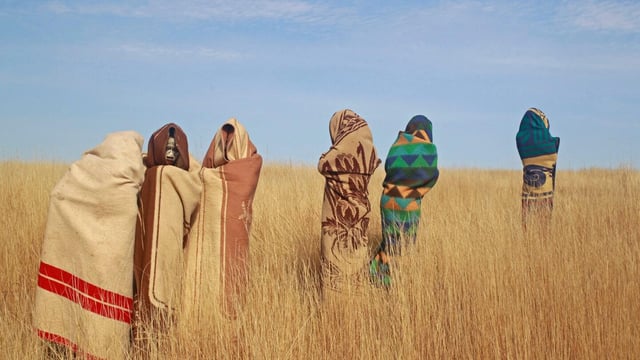
For many ethnic groups in South Africa, including the Xhosa and Sotho, initiation ceremonies are pivotal in defining manhood. These cultural rituals are often conducted in secluded areas where young initiates are taught survival skills, cultural norms, and societal roles. The culmination of this ritual is circumcision, performed by traditional surgeons often without medical oversight.
These rituals serve more than just a cultural function; they are integral to the preservation of cultural heritage and community identity. However, the absence of modern medical practices in these traditional settings has prompted significant health challenges, sometimes resulting in dire consequences.
Health Risks and Safety Concerns
Recent incidents of fatalities link these tragedies to various factors including infections, dehydration, and unsanitary conditions during the initiation period. The inexperience of some traditional surgeons and neglect of proper medical procedures lead to severe complications. Post-operative care is also often inadequate, exacerbating the risk of infection.
Public health officials have expressed concerns about the lack of regulation and supervision of traditional practices, which contribute to the persistently high incidence of hospital admissions and deaths. Despite the existence of government interventions and guidelines, enforcement remains a significant challenge.
Government Intervention
In response to these preventable tragedies, South African authorities have initiated several campaigns aimed at improving safety during initiation practices. Health ministry officials have collaborated with traditional leaders to establish codes of conduct and training for traditional surgeons. These measures, however, have faced resistance from some quarters, where there’s a deep-seated belief in performing rituals without external interference.
The government has also rolled out educational campaigns aiming to sensitize communities about the dangers of unsafe practices. Yet, the efficacy of these measures has been limited, highlighting the complexity of balancing traditional practices with health and safety mandates.
Community Engagement and Future Directions
The continuing fatalities during initiation seasons have sparked debate within South African society. While there’s a unanimous call to preserve cultural heritage, there is also an increasing demand for modernized practices that ensure the safety of participants. Community leaders and organizations are advocating for the inclusion of professional medical practitioners in all stages of the circumcision process.
The issue of safe initiation practices is not unique to South Africa and resonates across the continent where similar traditions exist. Lessons can be learned from regions where successful collaborations between traditional practitioners and medical professionals have greatly reduced health risks.
Despite the inherent challenges, there is a growing consensus on the need for reform. The priority is to uphold cultural practices while drastically reducing preventable injuries and deaths. This requires ongoing dialogue between government entities, traditional leaders, and healthcare providers to find sustainable solutions.
In tracing a path forward, it is vital to consider the voices of the communities involved and respect their cultural values while ensuring the well-being and safety of their youth. As South Africa grapples with these complex issues, it becomes clear that comprehensive strategies, rooted in cultural sensitivity and guided by medical expertise, are essential to transform these rites of passage into safer experiences for future generations.