 Kristina Vankova
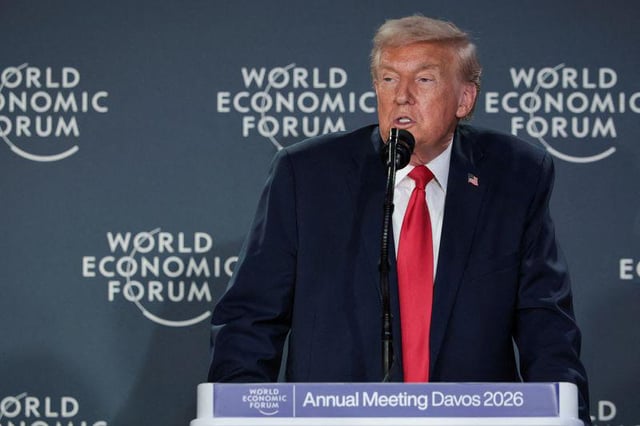
In a recent development that has stirred both political and public discourse, former President Donald Trump faces criticism following his claims regarding NATO allies and their involvement in Afghanistan. The controversy stems from Trump’s allegation that NATO allies were hesitant to participate in the Afghanistan mission, specifically suggesting they avoided deployment to the region.
Allegations and Reactions
During a speaking engagement, Trump asserted that several NATO countries were reluctant to commit troops to Afghanistan, claiming that the United States was left to shoulder a disproportionate burden. He suggested that many allies were unwilling to participate in what he described as a challenging and politically sensitive operation. Trump’s remarks have been met with a wave of criticism both domestically and internationally, sparking reactions from political figures and members of the military alliance.
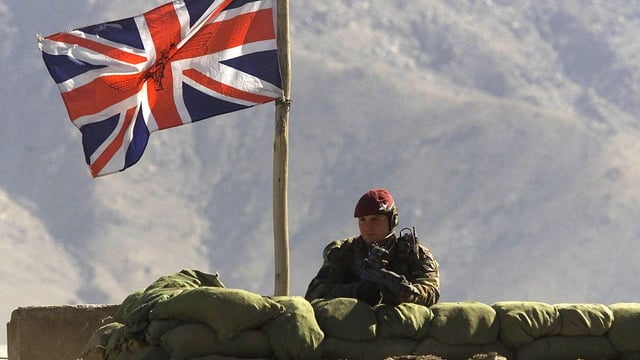
European leaders and other NATO members quickly refuted Trump’s statements, emphasizing their long-standing commitments to the mission in Afghanistan. Many officials cited the sacrifices made by their military personnel in the region as evidence of their dedication to the collective security efforts. This backlash highlights the sensitivity surrounding discussions of international military collaborations and the political implications of such claims.
Impact on International Relations
The controversy over Trump’s statement has implications that extend beyond immediate diplomatic relations. The integrity of NATO and its member states is seen as crucial to global security and stability. Accusations of non-participation or reluctance can erode trust among allies, potentially affecting future military and strategic collaborations.
Political analysts have noted that Trump’s comments could potentially strain relations between the United States and its European allies. Such tensions may complicate efforts to address ongoing security challenges and geopolitical threats. The stability of the NATO alliance, founded on principles of collective defense and mutual cooperation, may be questioned if member nations are perceived as unwilling partners.
Historical Context and Future Implications
Historically, NATO has played a pivotal role in shaping global security dynamics, particularly in response to threats against member states. The organization’s involvement in Afghanistan began in the early 2000s following the September 11 attacks, marking one of its most extensive military operations. Over the years, NATO forces have engaged in various missions aimed at restoring stability and countering terrorism.
Looking ahead, the allegations could have a lasting impact on NATO’s unity and strategic direction. Continued dialogue among member states is essential to addressing any misunderstandings or disagreements arising from Trump’s claims. Efforts to reinforce mutual trust and solidarity remain crucial, as does a commitment to transparent communication about each country’s contributions and challenges.
In conclusion, while Donald Trump’s remarks have sparked significant controversy, they also underscore the importance of maintaining strong international alliances. The situation serves as a reminder of the complexities involved in global military partnerships and the need for careful consideration of public statements by influential leaders. As NATO continues to adapt to evolving security challenges, the strength and cohesion of the alliance will depend on the steadfast cooperation and commitment of all member nations.