 Kristina Vankova
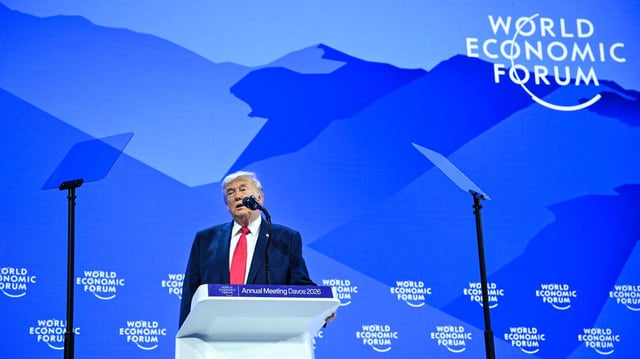
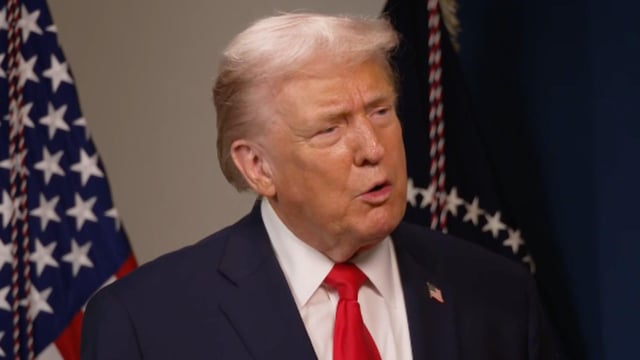
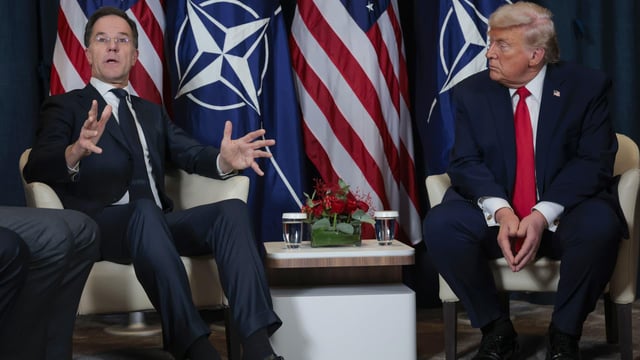
In a surprising development in international politics, former U.S. President Donald Trump announced that he successfully negotiated a framework for a potential deal involving Greenland with NATO. This agreement, albeit still in its preliminary stages, comes amid discussions about trade tensions between the United States and Europe that have been temporarily shelved.
The Framework of the Greenland Deal
The announcement of the proposed framework has reignited global attention on Greenland and its strategic value. While details remain scarce, the framework reportedly involves cooperation with NATO, indicating a focus on mutual defense and security interests. Trump’s interest in acquiring Greenland, an autonomous territory of Denmark, had surfaced previously during his presidency, sparking international headlines and a variety of reactions.
While the notion of the United States purchasing Greenland has been met with skepticism and humor, the strategic alliances being discussed with NATO suggest a focus on augmenting military presence and leveraging Greenland’s vast natural resources. This could potentially shift geopolitical dynamics in the Arctic region amidst growing global interest in the area.
Implications for European Trade
Alongside the Greenland announcement, Trump extended an olive branch to Europe with the temporary cessation of impending trade penalties. This decision is viewed as a strategic move to strengthen diplomatic relations, particularly with key allies in the European Union. The suspension of trade measures potentially opens up new avenues for negotiations on broader trade agreements, which have been fraught with disagreements particularly in sectors like agriculture, technology, and automotive trade.
The move to halt trade penalties is also seen as a gesture to revitalize diplomatic relations that had grown tense over the years due to various economic disputes and tariff impositions. This action may herald further economic cooperation amidst shared global challenges, such as the need for post-pandemic recovery efforts and the energy crisis exacerbated by geopolitical tensions.
Strategic Significance of Greenland
Greenland’s importance on the geopolitical chessboard continues to rise, influenced by its geographical proximity to the Arctic, access to mineral resources, and strategic military potential. The U.S. military is already present in Greenland with Thule Air Base, a critically significant facility for monitoring North Atlantic and Arctic airspace. Enhancing relationships through NATO in these areas may help solidify and expand U.S. influence in the region as Arctic competition intensifies, especially with Russian and Chinese interests continually expanding.
Arctic stakeholders have underscored the importance of maintaining peace and stability in the Arctic, a message reiterated by Trump during the deal framework discussions. Cooperation through NATO reflects a broader security strategy, integrating Greenland’s potential into a network aimed at fortifying collective defense capabilities among allied nations.
As eyes remain trained on this nascent Greenland deal and its implications, the unfolding international dialogue underscores the complexities of modern geopolitics where resources, defense, and diplomacy intersect. The next steps in this geopolitical and economic choreography will determine the path forward, not only for U.S. relations with Greenland and NATO but for international alliances as well.
The emerging framework appears to be both an economic and strategic pivot for the United States in navigating future global challenges, reshaping interactions within the Atlantic region and beyond. As discussions progress, the world will no doubt watch the developments closely, anticipating impacts that could reverberate through various sectors worldwide.