 Kristina Vankova
In a surprising move that has stirred the global political arena, former U.S. President Donald Trump reportedly invited Russian President Vladimir Putin to join the board of a new business venture aimed at fostering international cooperation. This news has surfaced amidst calls for improving diplomatic relations between the United States and Russia, which have been strained in recent years due to various geopolitical conflicts and allegations of election interference.
Seeking Common Ground
Trump’s proposition is part of a broader strategy to promote peace and stability by finding areas of mutual interest and collaboration with Russia. The initiative aims to harness the power of business as a bridge between nations, transcending political tensions and focusing on shared economic and strategic benefits.
According to sources close to the development, the envisioned project would involve key figures from both nations, potentially fostering an unprecedented level of dialogue and cooperation. The move is seen as part of Trump’s continued interest in leveraging his business acumen to address global challenges, an approach that defined his tenure in the White House.
Reactions from the Kremlin and Global Leaders
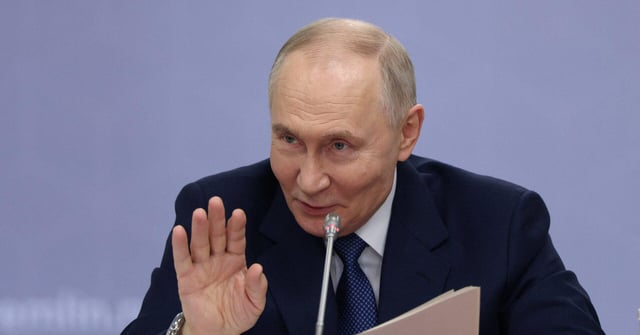
The Kremlin has confirmed receipt of the invitation, signaling interest in exploring the proposal further. Putin, known for his strategic acumen, sees this as a potential avenue to reopen dialogue channels between two of the world’s superpowers. However, analysts caution that the success of such an initiative relies on navigating the complex web of geopolitical interests that have historically divided the two countries.
Reactions from global leaders have been mixed, with some viewing the proposal as a bold step toward constructive engagement, while others remain skeptical, questioning the political motives behind such an alliance. European diplomats, in particular, are closely monitoring the situation, wary of any shifts in the balance of power that could affect regional stability.
Potential Challenges and Opportunities
- Trust Deficit: Building trust remains a key obstacle, given past allegations of cyber interference and military confrontations.
- Economic Synergies: Both countries have complementary resources and expertise that could be harnessed for mutual benefit, particularly in sectors like energy and technology.
- Diplomatic Implications: Any collaboration would need to align with existing international alliances and agreements, ensuring no adverse effects on existing partnerships.
Experts suggest that while the initiative has the potential to catalyze improved relations, it also poses significant risks if not managed with transparency and accountability.
Historical Context and Future Prospects
The historical context of U.S.-Russia relations is marked by periods of both cooperation and conflict, dating back to the Cold War era. In recent decades, moments of diplomatic warmth have often been overshadowed by renewed tensions over issues such as NATO expansion, human rights concerns, and military engagements in Eastern Europe and the Middle East.
Looking ahead, the proposed board could serve as a model for addressing global issues that require cooperative responses, such as climate change, cybersecurity, and international trade. By bringing together influential leaders from both countries, the initiative aims to create a platform for open dialogue and innovative solutions to shared challenges.
Ultimately, whether this bold proposal can transform geopolitics or become another casualty of international power dynamics remains to be seen. Observers worldwide are watching closely, as this development could redefine how nations navigate the complex tapestry of global diplomacy in the 21st century.