 Kristina Vankova
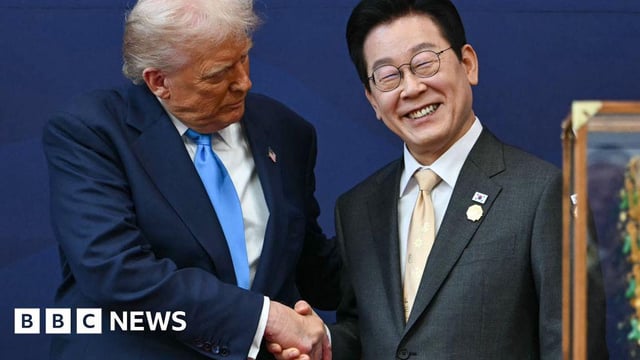
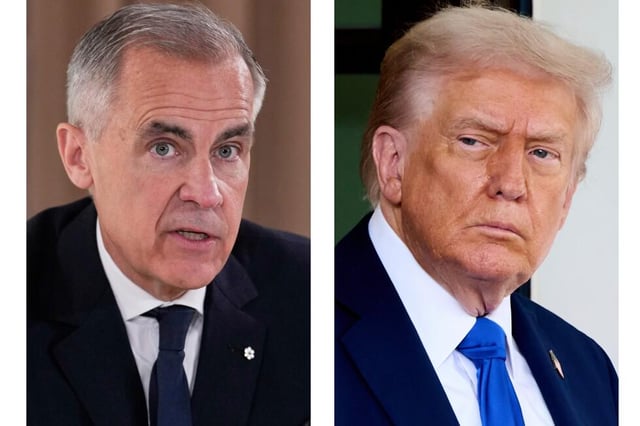
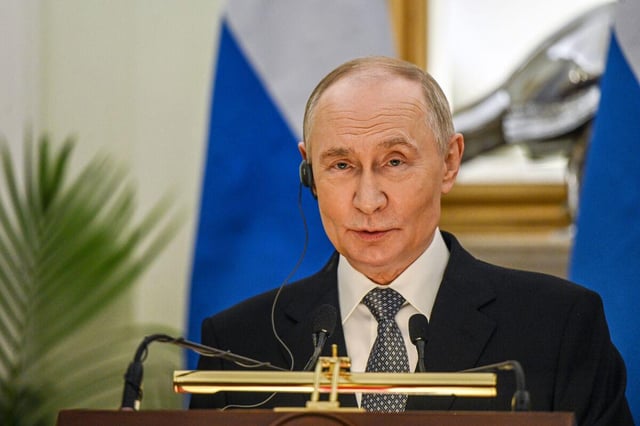
In a significant development that has captured international attention, Donald Trump recently extended an invitation to Vladimir Putin, proposing a collaborative initiative aimed at fostering peace in the tumultuous Gaza region. This unexpected move comes amid escalating tensions and ongoing conflicts in the Middle East, highlighting the necessity for innovative diplomatic strategies.
The proposal was initiated by Trump, who emphasized the importance of involving key global leaders in efforts to stabilize the region. He suggested forming a dedicated board to address the multifaceted challenges that have long plagued Gaza, with Putin as a crucial participant in this peace endeavor. Observers see this as part of Trump’s broader strategy to position himself as a central figure in international diplomacy.
A New Diplomatic Approach
This initiative aims to break the deadlock in Gaza by recruiting powerful stakeholders who can leverage their influence to bring about meaningful changes. Trump’s outreach to Putin is particularly interesting given their complex diplomatic relationship and the broader geopolitical landscape. The involvement of Russia, a country with longstanding ties to the Middle East, could open new pathways for dialogue and cooperation.
Trump’s plan underscores the necessity of expanding diplomatic efforts beyond traditional allies. By inviting Russia into the fold, there is potential to harness a new perspective and resources, which might otherwise remain untapped in the pursuit of peace.
Historically Fractured Relations
The relationship between the United States and Russia, often riddled with tension, adds a layer of complexity to this proposal. Historically, the two nations have differed on numerous international matters, including strategies for dealing with conflicts in the Middle East. However, this new initiative signifies a potential shift towards cooperation, albeit cautiously.
Analysts speculate that Trump’s invitation to Putin could be seen as a strategic maneuver to reinvigorate U.S.-Russia relations while highlighting a shared interest in mitigating conflict in the Middle East. The success of such a collaboration would significantly depend on the ability of both parties to navigate these complicated dynamics.
Potential Challenges and Opportunities
- Trust Building: Establishing a foundation of trust is crucial for any joint initiative to succeed. Historically, both nations have been skeptical of each other’s intentions, making trust a pivotal issue.
- Operational Coordination: Achieving harmony in operational strategies will be key. With different military and diplomatic protocols, ensuring seamless coordination could pose a challenge.
- Global Perception: The international community’s perception of this partnership will play a role in its viability. Support from other global actors could bolster its legitimacy.
The Path Forward
The proposed initiative marks a bold step in international relations, aiming to bring together unconventional allies to address a longstanding crisis. The meeting of minds between Trump and Putin, under this initiative, could lay the groundwork for future collaborative efforts on other global issues.
As the proposal gains traction, it remains to be seen how stakeholders, both within and outside the region, will react. The geopolitical implications of this strategy are vast, and its success could redefine power dynamics and peacebuilding efforts in the Middle East.
In conclusion, this noteworthy proposal reflects an evolving approach to diplomacy—one that seeks to transcend traditional barriers and foster new alliances. By focusing on a region that has seen decades of unrest, leaders like Trump and Putin have the opportunity to set a transformative precedent in international peace initiatives.