 Kristina Vankova
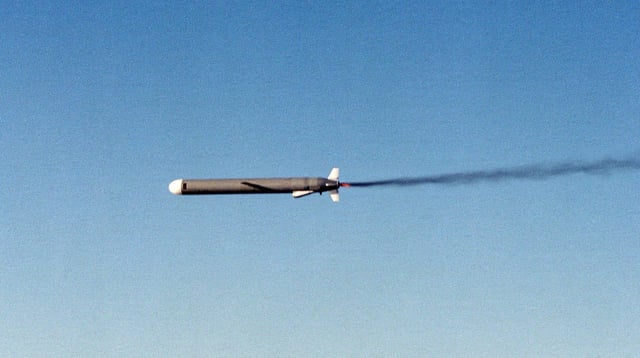
In a strategic shift, former President Donald Trump is contemplating the deployment of advanced defense systems to Ukraine, amidst ongoing tensions with Russia. This potential move involves sending the Tomahawk missile system, a step that would mark a significant escalation in U.S. military support for Ukraine. The deliberation comes as Kyiv continues to grapple with Russian-backed separatist forces in its eastern regions, a conflict that has persisted since Russia’s annexation of Crimea in 2014.
A Strategic Military Consideration
The consideration of sending Tomahawk missiles to Ukraine underscores a broader strategy by the Trump administration to bolster Ukraine’s defensive capabilities against an increasingly assertive Russia. The Tomahawk missiles, known for their precision and long-range capabilities, could provide Ukraine with a decisive technological edge in deterring aggressive maneuvers from Moscow.
While the discussion is still in its preliminary stages, sources suggest that the Trump administration is weighing the geopolitical implications of such a move. A decision of this magnitude would likely reverberate through international relations, signaling a strong American commitment to Ukraine’s sovereignty and territorial integrity.
Potential Implications for U.S.-Russia Relations
Deploying Tomahawk missiles to Ukraine would likely provoke a strong reaction from Russia. In the past, Russia has viewed Western military support to Ukraine as a red line, often responding with heightened military postures and rhetoric. Such a deployment could further strain already tenuous relations between Washington and Moscow.
However, proponents within the U.S. government argue that sending advanced weapons to Ukraine could serve as a powerful deterrent against further Russian aggression. By increasing the cost of military action for Russia, the U.S. hopes to stabilize the situation in Ukraine and curb Putin’s ambitions in Eastern Europe.
International Reactions
Ukraine’s allies in Europe have reacted with cautious optimism to the potential bolstering of its defense arsenal. Countries like Poland and the Baltic states, which share concerns about Russian expansionism, may view this development as a reinforcement of NATO’s eastern flank. However, there is also concern about the potential for escalation, with some European leaders advocating for diplomatic solutions over military escalation.
Domestic Considerations within the U.S.
Within the United States, opinions are divided on the wisdom of escalating military aid to Ukraine. Critics argue that providing such high-grade military equipment could entangle the U.S. deeper into a regional conflict, while advocates believe it is a necessary step to support a Democratic ally against authoritarian pressures.
The decision also carries weight in the context of domestic politics. Given the polarized environment, any military decision by the Trump administration may become a point of contention, especially considering the potential implications for NATO and its member states.
In Congress, bipartisan support for aiding Ukraine has generally existed, though opinions on the specifics of military aid can vary significantly. The strategic calculation involves evaluating the risks of escalation against the benefits of reinforcing Ukraine’s position against Russian aggression.
Logistical and Operational Challenges
If the decision is made to transfer Tomahawk missiles to Ukraine, there would be significant logistical challenges to address. These include transportation logistics, ensuring secure command and control systems, and training Ukrainian forces to effectively operate the technology. Additionally, there would need to be careful coordination with NATO allies to ensure that such a move aligns with collective defense strategies.
Furthermore, the integration of such advanced systems into Ukraine’s existing military infrastructure would require considerable planning and resources, making the political decision only the first step in a complex process.
As the Trump administration continues to weigh its options, the world watches closely. The outcome of this decision could redefine the military landscape in Eastern Europe and set the tone for U.S. foreign policy in the region. It remains to be seen how these potential developments will unfold and the impact they will have on the geopolitical balance between Western allies and Russia.