 Jan Nettig
In a significant development in Dutch politics, Geert Wilders, the leader of the far-right PVV party, faces a major setback as his first appointee for coalition talks, Gom van Strien, resigns abruptly. This resignation comes at a critical juncture, just as the PVV party, having won the most seats in the recent elections, begins its efforts to form a government.

Key Points from the Article
- Abrupt Resignation: Gom van Strien, appointed by Geert Wilders as a ‘scout’ to explore viable governing coalitions, resigned on Monday following allegations of fraud, which he denies.
- Coalition Challenges: Wilders’ PVV party, despite major gains in the November 22 election, needs the support of at least two more moderate parties to form a government.
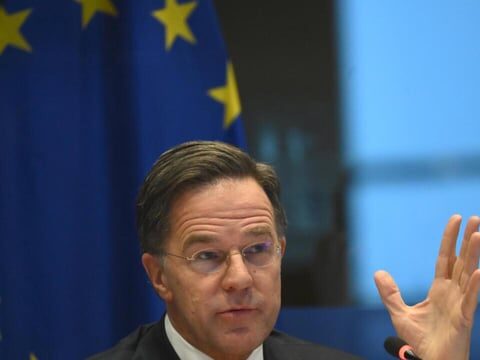
- Political Stalemate: The largest conservative party, the VVD Party of outgoing Prime Minister Mark Rutte, has ruled out serving in a Wilders-led Cabinet, though it is open to offering external support.
- Constitutional Concerns: Pieter Omtzigt, a potential coalition partner, has expressed reservations about working with Wilders due to his extreme positions that may violate Dutch constitutional protections on freedom of religion.
- Extended Negotiations: Dutch coalition talks are known for their length, and the current situation suggests a prolonged and uncertain negotiation process.
Implications and Future Prospects
The resignation of Van Strien not only complicates the coalition-building process for Wilders but also highlights the intricate dynamics of Dutch politics. The PVV’s need for additional support from moderate parties, combined with the reluctance of these parties to align with Wilders’ extreme views, sets the stage for a complex and potentially lengthy negotiation period.
Thought-Provoking Questions
- Political Balancing Act: How will Wilders navigate the challenges of forming a coalition with his far-right stance amidst the reluctance of moderate parties?
- Impact on Dutch Politics: What does this development signify for the future of Dutch political coalitions and the role of far-right parties?
- Constitutional Integrity: How can Dutch politics ensure the protection of constitutional rights while accommodating diverse political ideologies?
The situation in the Netherlands reflects the broader European trend of increasing polarization and the challenges of coalition politics in multi-party systems. The outcome of these negotiations will be closely watched, as it will have significant implications for the political landscape of the Netherlands and potentially for Europe as a whole.