 Kristina Vankova
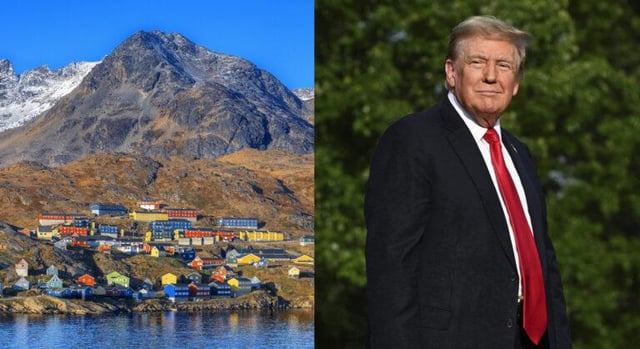
In recent developments, the negotiations between the United States and Greenland have taken a spotlight with the focus on potential shifts in territory sovereignty. The discussions, although controversial, signal significant geopolitical interests. The talks reportedly involve proposals related to economic investments and broader security arrangements, marking a unique chapter in international relations.
Backdrop of the Negotiations
The conversation around U.S. interest in Greenland isn’t new. Historically, Greenland, a vast autonomous territory within the Kingdom of Denmark, has attracted attention due to its strategic location and natural resources. The recent negotiations trace back to discussions initiated during the Trump administration, where the proposition of the U.S. acquiring Greenland was first publicly entertained, spurring widespread debate.
The renewed interest by the U.S. in these talks is seen as part of a larger strategy to expand its geopolitical influence in the Arctic region. With melting ice caps unveiling new shipping routes and potential oil reserves, Greenland’s location offers significant strategic advantages.
Key Aspects of the Proposed Deal
The proposed arrangements between the U.S. and Greenland reportedly cover multiple facets, aiming to create a mutually beneficial relationship. Economic incentives appear to be at the forefront, with discussions around infrastructure development, economic investments, and securing energy resources.
Economic Investments and Infrastructure
- Investment in Greenland’s infrastructure, including roads, airports, and ports.
- Promotion of local economic development through job creation and enhancing Greenland’s trade capabilities.
From an economic perspective, these developments could potentially transform Greenland into a Northern economic hub, facilitating growth and international trade.
Security and Geopolitical Implications
Security arrangements are another critical element of the discussions. The strategic military positioning of Greenland provides the U.S. an opportunity to expand its presence in the Arctic. The U.S. has a longstanding military base in Thule, Greenland, which is vital for missile defense and space surveillance operations.
Strengthening military ties not only advances U.S. interests but also aligns with Greenland’s aspirations for enhanced security, especially given the increasing global focus on Arctic sovereignty and territorial claims.
Impacts and Controversies
The talks have sparked mixed reactions globally. Critics argue that such negotiations could infringe on Greenland’s autonomy, effectively challenging its cultural identity and traditional governance. The Danish government, which maintains control over Greenland’s foreign affairs, has also weighed in, ensuring decisions align with Denmark’s interests.
Moreover, concerns about environmental impacts have been raised, emphasizing the preservation of Greenland’s pristine ecosystems amid potential industrial advancements.
Supporters, however, highlight the potential benefits of strengthened ties. They cite economic growth, improved infrastructure, and enhanced defense mechanisms as pivotal advantages of the proposed agreements. The narrative is framed as an opportunity for Greenland to gain global recognition and economic independence while being supported by a major power like the U.S.
As these discussions continue, the world watches closely, anticipating outcomes that could reshape geopolitical landscapes and redefine alliances in the Arctic space. The negotiations, though complex, present an opportunity for a unique collaboration that holds transformative potential for both the U.S. and Greenland.