 Kristina Vankova
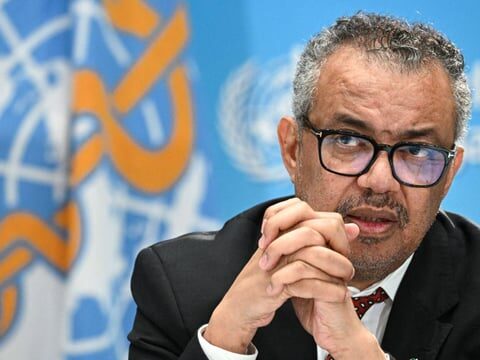
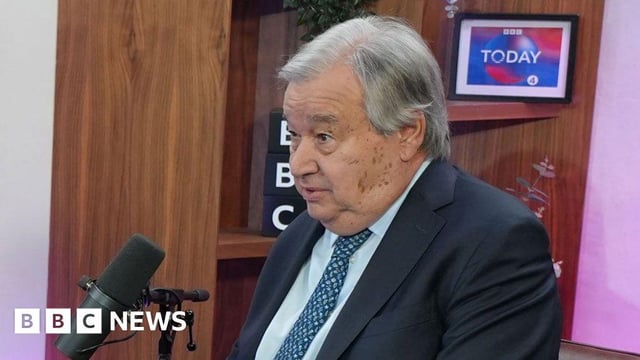
The United Nations Secretary-General has recently voiced his concerns over the growing emphasis placed by the United States on its power above international norms and cooperative global frameworks. In a world grappling with complex challenges that include climate change, geopolitical tensions, and humanitarian crises, the emphasis on unilateral power can have significant ramifications for global governance and international relations.
The Global Implications of Prioritizing Power
The concern highlighted by the UN Chief underscores a crucial issue: the balance between national power and international cooperation. As the world becomes increasingly interconnected, the actions of one powerful nation can ripple outward, influencing policies and political climates across the globe. The emphasis on power not only affects diplomatic relations but can also skew international efforts aimed at tackling pressing global issues.
Historically, the United States has played a pivotal role in shaping the post-World War II international order, underpinned by a commitment to multilateralism and cooperation through organizations like the United Nations, NATO, and the World Trade Organization. However, recent shifts toward prioritizing national interests have fueled concerns that this approach could undermine these very institutions, fostering a world where power dynamics overshadow collaborative progress.
Challenges to International Norms
International norms serve as the backbone of global diplomacy and law, providing a framework within which countries operate. The sidelining of these norms in favor of unilateral action raises significant questions about the future of international governance. The perception that power equates to more significant influence could lead other nations to adopt similar stances, potentially setting a precedent that destabilizes established international agreements and protocols.
Impact on Global Trade and Economy
The economic implications of prioritizing power are immense. As trade tensions rise and protectionist policies take center stage, the global economy faces uncertainty. Major economies may engage in trade wars, create tariffs, or roll out retaliatory measures that could hinder global economic growth. These situations create a climate where smaller economies suffer, and global inequality widens.
Humanitarian and Environmental Consequences
Beyond economics, the emphasis on power can exacerbate humanitarian and environmental issues. Global challenges such as climate change require cooperative global action to ensure collective success. Unilateral actions can derail climate accords, hinder collaborative scientific advances, and delay humanitarian responses, leaving vulnerable populations at greater risk.
The Road Ahead: Striking a Balance
While power and influence play undeniable roles in shaping a nation’s ability to navigate international affairs, the essential question remains: how can such power be balanced with the need for cooperation? The UN Chief’s concerns stress the importance of returning to a diplomatic approach that values dialogue, collective action, and adherence to international norms over unfettered national interest.
To move towards a more stable and cooperative global order, a recalibration of priorities may be necessary. This would involve not only adhering to but also strengthening international norms, recommitting to multilateral institutions, and fostering an environment where global challenges are met with global solutions.
Navigating this landscape requires leadership that recognizes the interconnected nature of today’s challenges, one that prioritizes sustainable growth and peace over short-term gains. As discussions continue on the international stage, the importance of reaffirming commitment to multilateralism remains a priority to ensure a more secure and promising future for generations to come.