 Kristina Vankova
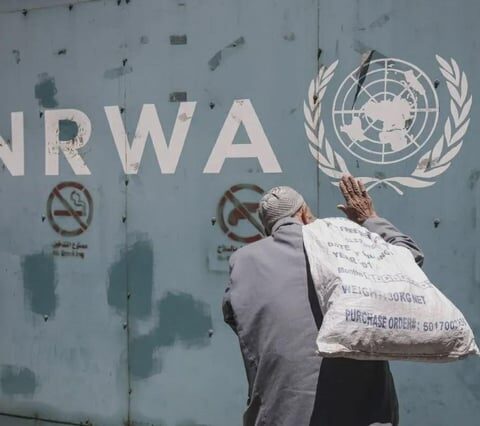
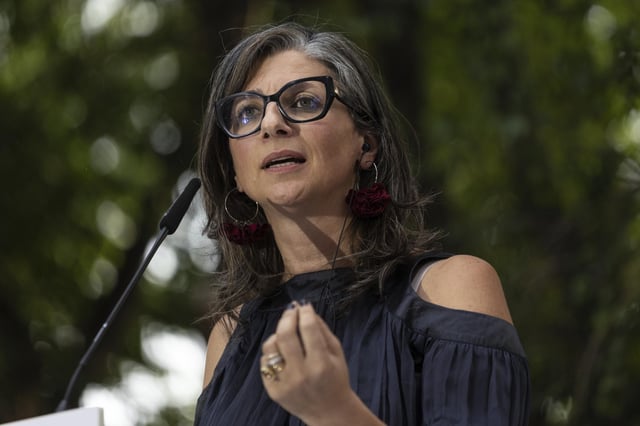
Francesca Albanese, a United Nations official, finds herself at the center of a controversy following criticism from the United States regarding her outspoken views and work. As an expert appointed to address human rights in the Palestine region, Albanese’s role has drawn both applause and disapproval, reflecting the complex dynamics of international diplomacy.
Background of Francesca Albanese
Francesca Albanese has dedicated a significant portion of her career to human rights issues. With an extensive background in international law and human rights advocacy, she was appointed by the United Nations as the Special Rapporteur on the situation of human rights in the Palestinian territories. This role involves investigating and reporting on human rights violations, making it inherently politically sensitive.
Her tenure has been marked by a focus on the ongoing conflict and the impact on civilians, which has garnered both praise for its boldness and criticism for perceived bias. The U.S. government has been particularly vocal in its disapprobation, citing concerns over impartiality given Albanese’s critical stance towards certain countries’ policies.
Controversy and U.S. Criticism
The criticism from the United States arises mainly from Albanese’s reports and statements that have been viewed as disproportionately critical of Israeli policy in the region. Her detractors argue that her work reflects a one-sided view that could undermine the credibility of the UN’s efforts in mediating and understanding the complexities of the Israel-Palestine conflict.
On the other hand, supporters contend that Albanese’s work sheds necessary light on pressing human rights issues, pushing for accountability where it is often lacking. The debate mirrors broader international tensions and varying global perspectives on the conflict.
The Broader Implications
The situation involving Francesca Albanese underscores a broader conversation about the role and perception of UN officials in volatile regions. It raises questions about how neutrality can be maintained in the execution of their duties, especially in scenarios involving longstanding geopolitical disputes.
The controversy has also sparked discussions within diplomatic circles about the influence of major powers on international bodies and the impact such dynamics have on the impartiality of human rights assessments. The balancing act between thorough reporting and diplomatic sensitivities continues to be a challenging aspect for officials like Albanese.
Amidst this backdrop, the discourse surrounding Albanese’s position and the criticism she faces exemplifies the difficult path navigated by those advocating for human rights in heavily contested spaces. The dialogue surrounding her appointment and work hints at the broader challenges faced by international diplomatic and human rights initiatives in regions marked by prolonged conflict and international scrutiny.