 Kristina Vankova
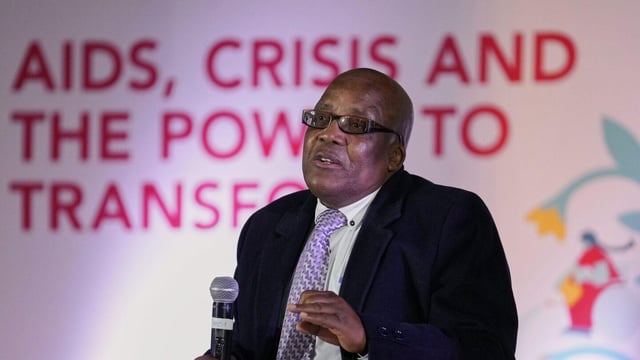
The United Nations is sounding the alarm about the critical necessity to maintain and boost funding for HIV/AIDS programs, warning that millions of lives could be at risk if the United States reduces its financial commitment by 2029. This urgent call to action seeks to address the potential consequences of funding cuts on global HIV/AIDS efforts, which have made significant strides in reducing transmissions and supporting those affected by the virus.
Current State of HIV/AIDS Funding
The Global Fund to Fight AIDS, Tuberculosis and Malaria has highlighted the pivotal role that U.S. funding plays in combating the HIV/AIDS epidemic worldwide. The U.S. government has traditionally been the largest single donor to the Global Fund, contributing billions of dollars to support health initiatives in developing countries. However, potential shifts in policy and private sector contributions could significantly impact the sustainability of these programs.
Global health experts emphasize that consistent financial support is essential to maintain the progress achieved over the past decades. According to recent reports, approximately 37.7 million individuals live with HIV worldwide, and while there has been a reduction in new infections and AIDS-related deaths, the threat remains significant. Any reduction in funding could reverse these gains, making it crucial to secure ongoing financial backing.
Consequences of Reduced Funding
The potential reduction in U.S. funding is seen as a major risk to global health, particularly in regions that rely heavily on international aid for their HIV/AIDS programs. The World Health Organization outlines key areas that would be directly affected:
- Lack of access to antiretroviral therapy (ART), which is critical for managing and treating HIV.
- Reduced prevention initiatives, including education and awareness campaigns that are vital for reducing the spread of HIV.
- Impediments to research and development efforts aimed at finding a cure or vaccine for HIV.
- Increased pressure on already strained healthcare systems in developing countries.
Advocates for global health warn that without adequate funding, many countries may face a resurgence in HIV/AIDS cases. There is also a significant risk of increased mortality rates, particularly among vulnerable populations such as women, children, and key marginalized groups.
The Role of International Collaboration
To mitigate the potential fallout from a decline in U.S. funding, the UN is advocating for enhanced international collaboration and diversified funding sources. Experts are calling for a multi-faceted approach that includes increased contributions from other nations, partnerships with private sectors, and philanthropic efforts to fill the funding gaps.
Furthermore, there is an urgent call for innovative financing strategies and increased efficiency in the allocation of existing resources. By doing so, stakeholders hope to not only sustain current HIV/AIDS initiatives but also strengthen them to reach more individuals and communities in need.
The Global Fund, along with other international organizations, is actively engaging with global leaders to secure commitments and explore additional avenues for support. These discussions emphasize the need for a collective response to prevent a public health crisis and continue progress towards eradicating HIV/AIDS.
In the coming years, maintaining the momentum of funding and resource allocation will be crucial in ensuring that millions of lives are not put at risk. As the world inches closer to the 2029 deadline, the urgent need for action and sustained support remains clear. The international community must now step up to the challenge and ensure that the advances made in the fight against HIV/AIDS are not rolled back, reaffirming their commitment to a healthier, more equitable future for all.