 Kristina Vankova
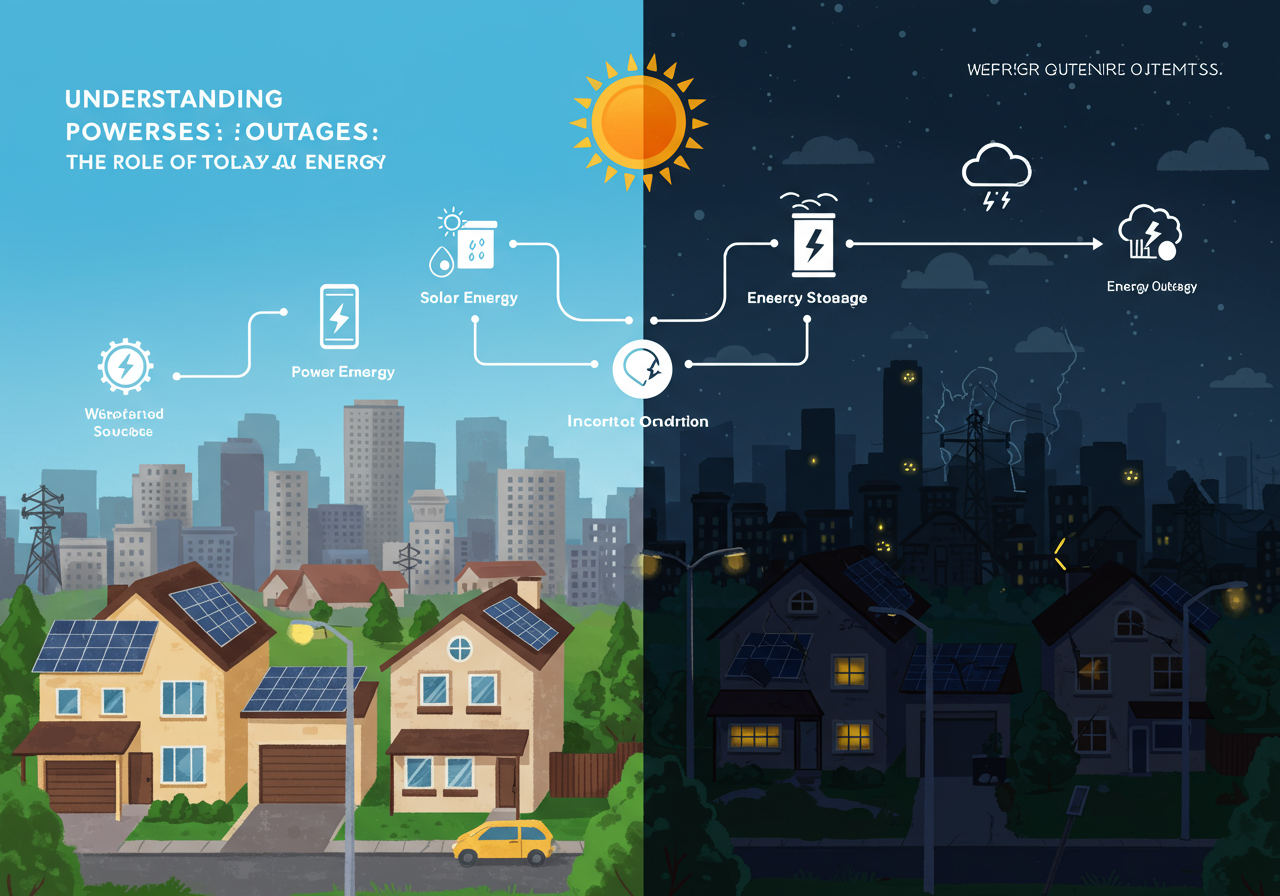
In recent years, discussions surrounding the risk of power outages have become increasingly prevalent. With the global demand for electricity continuously rising, issues related to the stability of power grids have attracted significant attention. Particularly in Europe, where issues with energy supply have raised alarms, one of the proposed solutions to mitigate these challenges has been the increased utilization of solar energy. As we examine the intricate web of factors contributing to power outages, understanding the role of solar energy is crucial in paving the way for a more sustainable energy future.
Power outages, often referred to as blackouts, occur when there is a sudden, unexpected interruption in the supply of electricity. These can range from localized outages affecting a small neighborhood to large-scale blackouts impacting entire regions or countries. The causes of power outages vary widely, from technical failures within the power grid to natural disasters and even deliberate sabotage. However, in the context of today’s energy landscape, an essential factor is the imbalance between energy supply and demand, which can be exacerbated by extreme weather conditions, variability in renewable energy output, and aged infrastructure.
The Growing Importance of Renewable Energy
Renewable energy sources such as solar and wind are becoming central players in the modern energy grid. This shift is driven not only by environmental concerns but also by the desire to increase energy security and resilience against outages. Solar energy, in particular, stands out due to its potential for decentralized energy production. By generating electricity close to where it’s consumed, solar power systems reduce the stress on the main grid, thereby diminishing the likelihood of overloading and subsequent blackouts.
The appeal of solar energy becomes even more apparent when considering the advancements in photovoltaic technology and energy storage solutions. Modern solar panels are more efficient than ever, converting sunlight into electricity with increasing efficacy. Meanwhile, breakthroughs in battery technology allow excess solar energy to be stored and used during periods when sunlight is unavailable, such as nighttime or cloudy days. This ability to store energy helps balance the grid, ensuring a steady supply of power even when solar output fluctuates.
Challenges and Solutions
Despite its promise, the integration of solar energy into existing power grids is not without challenges. One of the primary concerns is the intermittent nature of solar power. Unlike traditional power sources that can generate electricity continuously, solar power is inherently variable, dependent on sunlight availability. This intermittency requires robust grid management and energy storage solutions to smooth out the supply.
To tackle these challenges, a multifaceted approach is essential. Investment in grid infrastructure is crucial to ensure that power systems can adapt to the variability of renewable sources. Smart grids, equipped with advanced sensors and automation, can respond in real-time to changes in energy supply and demand, optimizing the flow of electricity and preventing overloads. Additionally, policies and incentives that encourage the adoption of residential and commercial solar installations contribute to a distributed energy model, enhancing local grid reliability.
Economic and Environmental Benefits
The incorporation of solar energy into the power grid offers significant economic and environmental advantages. Economically, solar power reduces reliance on imported fossil fuels, stabilizing energy prices and reducing the financial burden on consumers. Furthermore, as the cost of solar technology continues to decline, new opportunities arise for job creation in the renewable energy sector, from manufacturing to installation and maintenance.
Environmentally, solar energy is one of the cleanest power sources available, emitting no greenhouse gases or pollutants during operation. This aligns with global efforts to combat climate change and reduce carbon footprints. By replacing non-renewable energy sources with solar power, countries can significantly decrease their emissions, contributing to a more sustainable future.
The Role of Policy and Innovation
Governmental policies play a pivotal role in accelerating the transition to a solar-powered grid. Incentives such as tax credits, subsidies, and feed-in tariffs can lower financial barriers for individuals and businesses looking to invest in solar technology. Moreover, research and development funding can spur innovation in both photovoltaic technology and grid infrastructure.
Innovation is equally critical in this endeavor. Emerging technologies, such as solar photovoltaics integrated with smart grid systems, could redefine how electricity is generated and consumed. Innovations in energy storage, including novel battery chemistries and systems, are expected to enhance capacities and cost-effectiveness, enabling solar energy to meet more of the energy demand.
Community Involvement and Education
For a comprehensive energy transformation, community involvement and public education are essential. Raising awareness about the benefits of solar power and providing resources for individuals interested in adopting solar technologies is crucial. Community solar projects, where energy generated is shared among participating members, exemplify how collective efforts can lead to significant progress.
Educational programs that focus on renewable energy can equip current and future generations with the knowledge needed to support and innovate within the energy sector. Such initiatives not only foster an understanding of energy efficiency but also inspire young minds to develop creative solutions to energy challenges.
In summary, understanding power outages and the role of solar energy involves examining not just the technical and infrastructural components, but also the broader economic, environmental, and social implications. As solar technology continues to evolve and integrate with the grid, it plays a vital role in enhancing energy security and resilience. By leveraging policy, technology, and community engagement, solar energy promises a brighter, more sustainable future less prone to the crippling effects of power outages.
The journey towards a solar-powered world is one of collaboration and innovation, where each stakeholder from individual consumers to large-scale utilities has a role to play. In light of the growing awareness of energy vulnerabilities and climate change impacts, the era of solar energy dawns as a beacon of hope and sustainability.