 Kristina Vankova
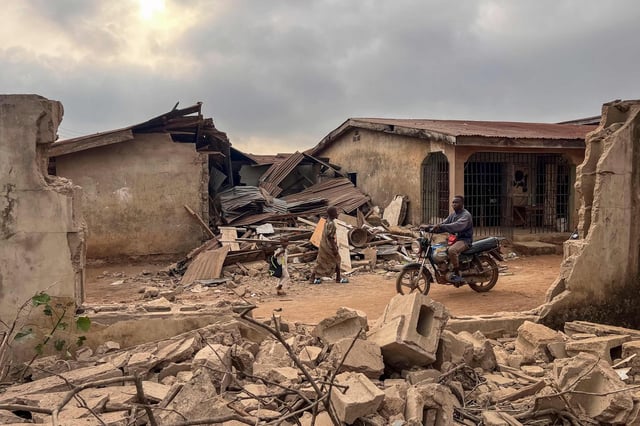
The ongoing battle against militant groups has brought forward varying narratives from the United States and Nigeria, reflecting the complexities in international cooperation and intelligence sharing. Recent announcements have illustrated significant differences in how each country perceives and communicates developments in their mutual fight against extremism within Nigeria’s borders.
A Tale of Two Narratives
This week, U.S. officials provided updates regarding their involvement in supporting Nigerian military efforts against Boko Haram, a notorious extremist group operating predominantly in northern Nigeria. The U.S. claimed successful collaboration with Nigerian forces in thwarting multiple potential attacks, highlighting advances made through shared intelligence and tactical support.
Contrastingly, Nigerian officials reported a divergent account that downplayed external assistance in recent military operations. They emphasized self-reliance and the efficacy of domestic security forces in mitigating threats, suggesting minimal direct intervention by foreign troops. This assertion underlines Nigeria’s growing sentiment of nationalism and desire to be seen as the primary force in controlling its territory.
Strategic Cooperation and its Challenges
U.S. involvement in Nigeria’s counterterrorism strategies has historically been a sensitive topic. The deployment of U.S. military advisors and the provision of equipment and training have been essential components of these efforts. However, discrepancies in the portrayal of collaborative efforts can strain diplomatic relations, especially when transparency and acknowledgment are perceived differently.
The Nigerian government’s stance may be influenced by internal political pressures and a need to project strength and autonomy to its populace. Meanwhile, the U.S. aims to highlight successful international cooperation as evidence of its commitment to global security and counterterrorism efforts. The cooperative narrative serves to justify the significant investment of resources and military aid.
The Impact of Diverging Accounts
The contrasting narratives emerge amidst ongoing concerns about the effectiveness and transparency of military operations in Nigeria. Analysts worry that a lack of unified communication might hinder the overall success of anti-militant initiatives. The inconsistency in public messaging can also lead to confusion within the international community, impacting future collaborative strategies and funding.
Both nations have valid concerns; for the U.S., it is crucial to maintain accountability and measurable success, while Nigeria seeks to reinforce its sovereignty and military capabilities. Experts argue that finding common ground in how achievements are communicated is essential for long-term success against Boko Haram.
Amidst these divergent reports, it is evident that coordinated efforts remain crucial. However, the need for clear and unified communication strategies is paramount to ensure both public confidence and the efficacy of joint operations. As both nations continue their partnership, learning from these differences may help in crafting a more cohesive approach to handling similar challenges in the future.