 Kristina Vankova
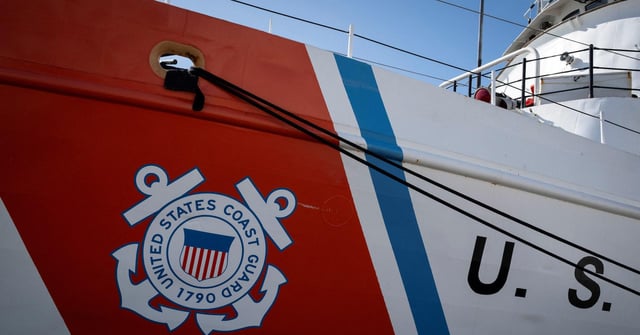
The United States Coast Guard is encountering increasing difficulties in keeping tabs on an oil tanker allegedly linked to Venezuela, amidst claims of dwindling resources and capability constraints. The situation highlights a broader operational challenge that the Coast Guard faces as it grapples with tightening budgets and augmented maritime responsibilities.
Operational Strains and Resource Limitations
The vessel, suspected of transporting oil in contravention of international sanctions against Venezuela, has become a point of contention for US authorities. The tension arrives during a phase where the Coast Guard is tasked with more patrol duties than ever before, yet finds itself stretched thin due to limited forces and assets.
Officials admit that the capacity to monitor and interdict maritime activities in expansive waters has been compromised. Even with modern technology and intelligence networks, the ability to maintain round-the-clock surveillance on suspicious vessels remains a formidable challenge.
Escalating Challenges
The geopolitical climate surrounding Venezuela has added layers of complexity to the Coast Guard’s mission. With sanctions in place, the focus on intercepting any vessel that might violate these restrictions has intensified. The tanker in question serves as an example of the elusive nature of vessels engaged in such endeavors, often operating under the radar and avoiding straightforward detection mechanisms.
These ships employ tactics that make tracking them an arduous task. Frequent name changes, flag swaps, and the use of ship-to-ship transfers are just a few methods leveraged to evade detection and enforcement. Consequently, monitoring requires not only advanced technological solutions but also increased manpower—resources the Coast Guard currently finds in short supply.
Navigating Political and Operational Waters
While the Coast Guard remains dedicated to its role, the challenges underscore the need for expanded funding and support. Current operational limitations are acutely felt in regions where illicit maritime activities are on the rise. Enhancements in manpower and technology are seen as critical to effectively countering these evolving threats.
The Coast Guard’s predicament is not isolated, reflecting a broader issue facing many maritime enforcement agencies worldwide. The dynamic and often clandestine nature of maritime smuggling operations calls for a holistic approach, combining intelligence sharing, inter-agency cooperation, and the deployment of cutting-edge technologies.
Advocates for increased funding argue that bolstered resources will not only aid in the enforcement of maritime laws but also ensure that national and international waters remain secure from unlawful activities. As the global maritime landscape continues to evolve, so too must the strategies and capabilities of those charged with defending it.
The situation remains fluid, and the response of the United States Coast Guard will be closely watched as it navigates the challenges of enforcing sanctions and maintaining maritime security amidst a backdrop of constrained resources. The focus remains on achieving a balance between operational readiness and the ever-present demand for efficiency in resource utilization.