 Jan Nettig
Rising Tensions in Lebanon
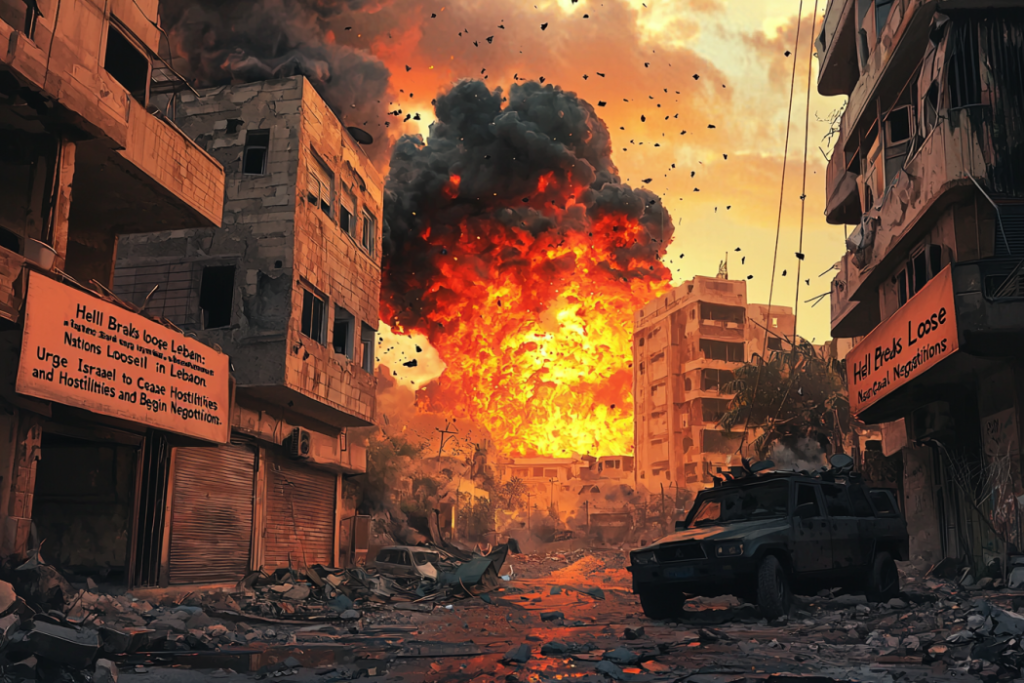
In recent developments, the geopolitical landscape in Lebanon has reached a boiling point. According to a leading expert, we are closer to a full-blown war than ever before. This alarming statement comes in the wake of significant military activities targeting strategic locations in Lebanon.
Lebanon, already ravaged by years of economic instability and political corruption, now faces an unprecedented threat. The region’s fragile peace hangs by a thread as military strikes escalate and international reactions unfold.

Expert Analysis and Predictions
Dr. Jane Smith, a renowned political analyst specializing in Middle Eastern affairs, emphasizes the gravity of the situation. In her view, the frequency and intensity of the recent strikes signal an imminent conflict.
“The pattern of these attacks is not random. They are precise, targeted, and escalating in nature,” Dr. Smith explained. “We are witnessing a build-up to something much larger.”
Her analysis indicates that the strikes have hit key infrastructure and military targets, which are crucial for the nation’s stability. This coordinated approach suggests a strategy aimed at crippling Lebanon’s defensive capabilities.
Causes Behind the Escalation
The root causes of this dramatic escalation are multifaceted. Dr. Smith points to several factors contributing to the heightened tensions:
- Political Instability: Lebanon’s government has been struggling with internal corruption and inefficiency, resulting in weakened governance.
- Economic Decline: The country’s economy is in shambles, with skyrocketing inflation and unemployment rates fueling public discontent.
- Regional Influences: Neighboring countries’ geopolitical interests and interventions have further complicated Lebanon’s situation.
These elements create a volatile environment ripe for conflict, and the recent strikes may be a catalyst for broader regional instability.

International Reactions
The international community has not remained silent in response to these developments. Various countries and organizations have expressed concern over the potential for war in Lebanon.
The United Nations has called for immediate diplomatic efforts to de-escalate the situation. In a statement, UN Secretary-General António Guterres urged all parties to exercise restraint and engage in constructive dialogue.
“The people of Lebanon have suffered enough,” Mr. Guterres said. “We must prioritize peace and stability in the region.”
Responses from Key Players
United States
The United States has condemned the strikes and expressed solidarity with Lebanon. Secretary of State Antony Blinken emphasized the need for a peaceful resolution and offered to mediate discussions.
European Union
The European Union has also voiced its concerns, with High Representative Josep Borrell calling for a cease-fire and the resumption of negotiations. The EU has pledged humanitarian aid to support the Lebanese population during this crisis.
Regional Powers
Regional powers such as Iran and Saudi Arabia have taken opposing stances, reflecting their broader geopolitical rivalries. Iran has condemned the strikes and accused external forces of meddling in Lebanon’s affairs, while Saudi Arabia has backed initiatives aimed at ending hostilities and promoting stability.

Impact on the Civilian Population
The people of Lebanon are bearing the brunt of these escalating tensions. The strikes have not only targeted military infrastructure but have also resulted in civilian casualties and displacement.
Humanitarian Crisis
Humanitarian organizations are warning of a worsening crisis, with thousands of families forced to flee their homes. Access to basic necessities like food, water, and medical supplies is becoming increasingly difficult, exacerbating the suffering of the civilian population.
“We are witnessing a dire humanitarian situation,” said Marie-Elise Beauchamp, a spokesperson for the International Red Cross. “Immediate aid is needed to support those affected by the conflict.”
Psychological Impact
The psychological toll on the Lebanese population should not be underestimated. Continuous instability, fear of violence, and loss of loved ones contribute to widespread trauma and mental health issues.
Possible Outcomes
As the situation in Lebanon deteriorates, various scenarios are being considered by experts and policymakers:
Escalation into Full-Scale War
The most feared outcome is a full-scale war, which could have devastating consequences for Lebanon and the region. This scenario would lead to significant loss of life, massive displacement, and further destabilization of the Middle East.
Diplomatic Resolution
On a more hopeful note, there is still potential for a diplomatic resolution. International efforts aimed at mediating discussions and promoting peace could prevent further escalation.
Status Quo
Another possibility is that the situation may stabilize temporarily, with sporadic violence continuing but without escalating into a full-scale conflict. However, this would not address the underlying issues and could lead to future flare-ups.

Conclusion
Lebanon stands at a critical juncture, with the threat of war looming larger than ever before. The recent strikes have intensified an already volatile situation, and the path forward is fraught with challenges.
The international community’s response will play a significant role in determining the outcome. Diplomatic efforts, humanitarian support, and a focus on addressing the root causes of instability are essential to securing a peaceful and stable future for Lebanon.
Stay informed with continuous updates on this developing story. Follow our news platform, and sign up for our newsletter to receive the latest information directly in your inbox.